
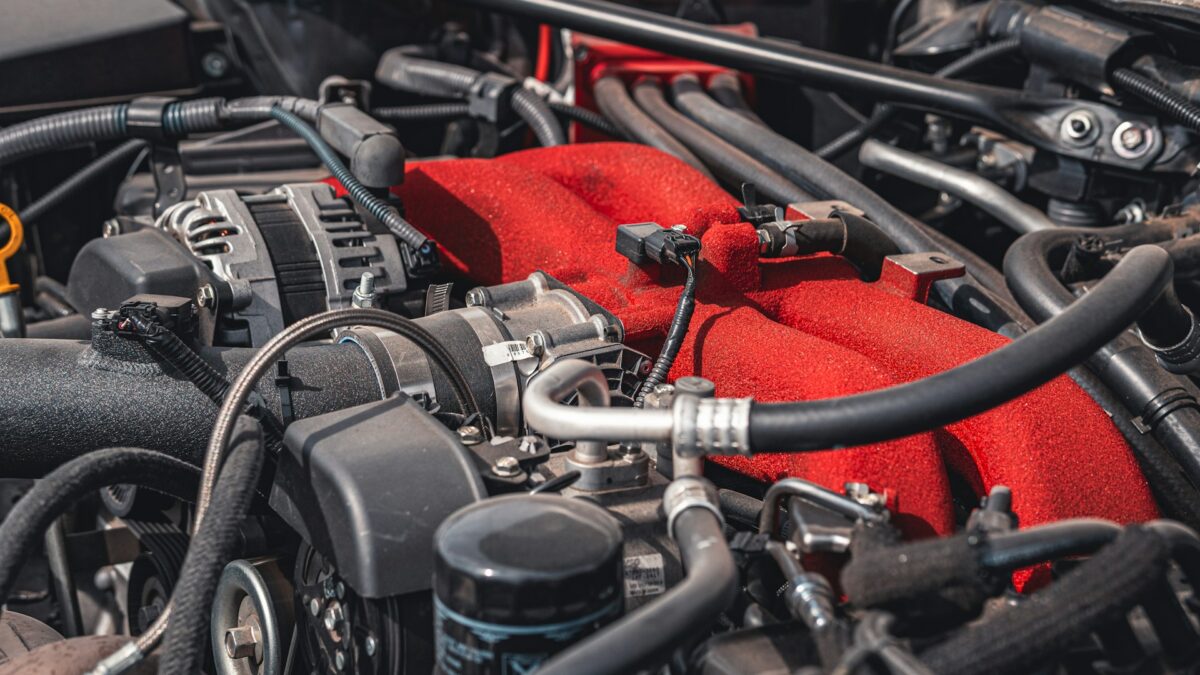

When upgrading stock engines for more power, excess heat becomes a major obstacle. Factory rubber plumbing handles minor modifications well, but quickly fails under elevated temperatures and pressures. This leads to blown lines, coolant leaks, and lost turbo boost. To prevent sudden power loss, fluid leaks, and catastrophic engine damage, professional tuners instead rely on reinforced, high-performance silicone hoses.
Why Tuners Choose Silicone Hoses
Handling extreme temperature and pressure in tuned motorsport vehicles requires automotive silicone hoses. These car plumbing components offer superior longevity, higher thermal tolerance, and stronger pressure resistance than standard factory rubber hoses. Key advantages include:
- Extreme heat resistance: Thermal tolerance is where silicone trumps traditional EPDM and Nitrile rubber. With temperature ranges of -60℃ to 230℃, silicone hoses are ideal in turbocharged intakes (where air temperatures hover between 150℃ and 180℃) and in tuned engines with thermostats opening above the standard 82℃ to ensure optimal timing. The material ensures margins of +50℃ over both synthetic rubber variants to prevent brittleness and cracking under consistently high engine loads in racing applications.
- Pressure resistance: Factory hoses can swell under prolonged periods of turbo boost, resulting in lag and unstable airflow. Multi-ply silicone hoses, reinforced with woven layers of polyester or Kevlar, hold their shape, resist expansion under extreme boost pressures, and ensure all compressed air reaches the engine.
- Long-term flexibility and durability: Synthetic rubber plumbing can harden and crack with age, often leading to loosened clamps and pressure leaks. Silicone, on the other hand, is highly pliable, resists pronounced engine vibrations typical in high-speed settings, and provides elasticity under repetitive high heat cycles. Hoses are flexible enough to ensure easy routing in custom engine builds, and won’t kink or collapse under vacuum in intake strokes or collapse in boost cycles. To ensure leak-free plumbing connections, hoses are often paired with matching silicone fittings.
- Weather, chemical and UV-resistance: Automotive silicone hoses fare extremely well against ozone and UV radiation, limiting damage from fading, cracking and brittleness. The material is also hydrophobic, ensuring that high humidity, rain or engine bay moisture don’t lead to surface degradation or more serious structural damage. Moreover, hoses are more resistant to corrosive coolant fluids such as glycol than comparable EPDM, Nitrile and neoprene in cooling systems.
While silicone hoses are the first choice for extreme engine environments in performance vehicles and track cars, they have a few operational trade-offs. Their high permeability requires regular coolant top-offs, they are unsuitable for oil or fuel transfer, and their pliability requires careful fitting selection to prevent leaks. In motorsport and high-performance applications where engines are inspected regularly (and fuel and oil are routed with durable CPE and PTFE polymers or alloyed hardlines), these considerations soon become non-issues.
Where They’re Used
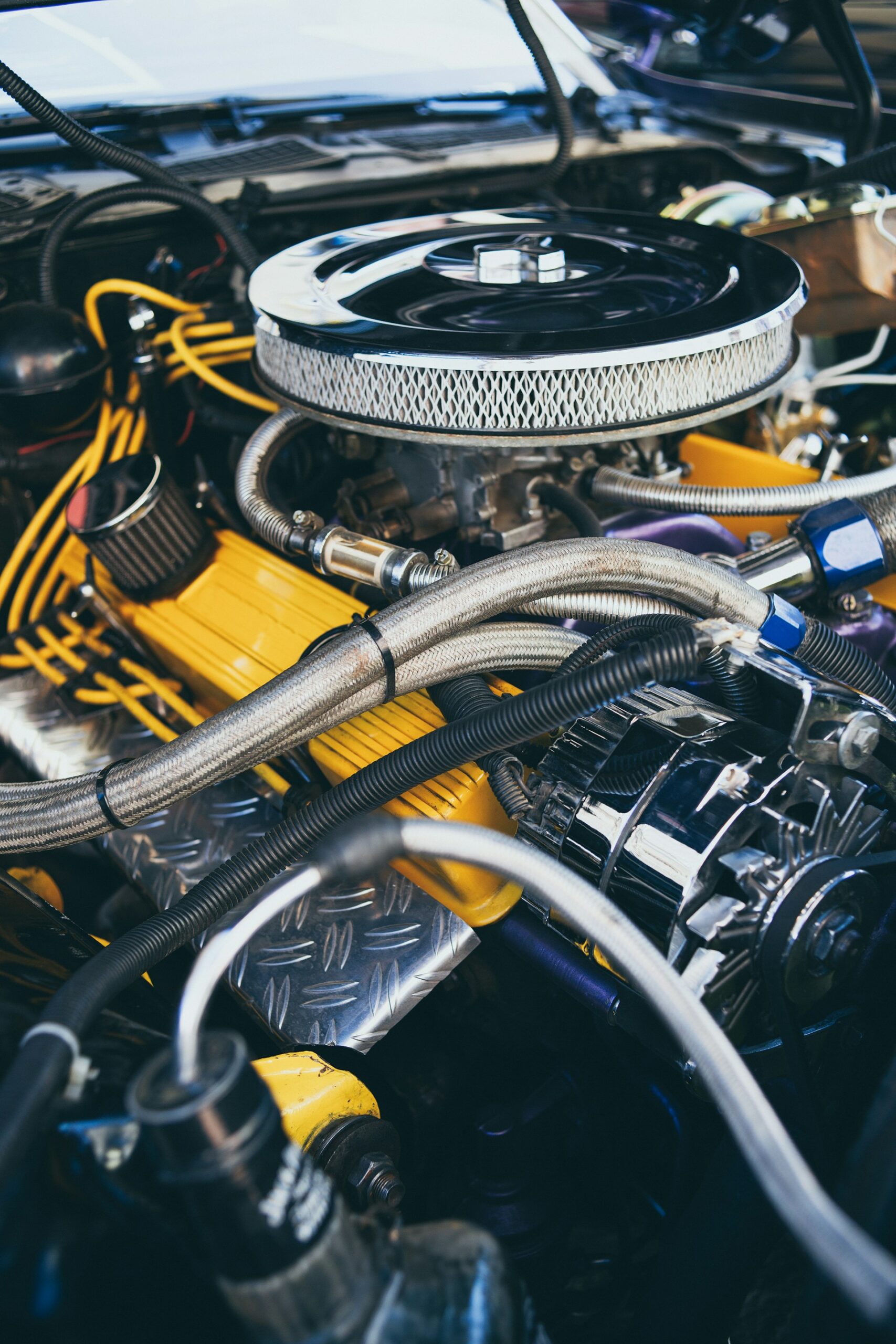
Trusted for their ability to withstand extreme temperatures and high-pressure airflow, reinforced silicone hoses are used in multiple automotive systems:
- Cooling and Radiator Systems: Engines and applications that require the high-flow and high-heat transfer of water and coolant between the engine block and cooling system use silicone plumbing. Hoses won’t soften or collapse under sustained heat cycles in engines under heavy loads, preventing leaks or catastrophic engine failure. Clear examples are tuned N54/N55/S55 BMW engines, where the factory rubber upper radiator and expansion tank hoses have gone brittle, burst at the bends, or snapped off from connections. Silicon hose alternatives here are the obvious fix.
- Turbocharging and Induction: Intercooler piping, turbo lines and air intakes benefit from the layered and reinforced silicone hoses able to withstand high boost pressures and provide consistent intake volumes without ballooning. Silicone hoses are used instead of factory EPDM rubber intercooler and diverter valve hoses in VAG 1.8T and 2.0T engines to prevent degradation in high heat cycling and subsequent boost pressure drops. Similarly, silicone replaces the corrugated rubber turbo inlet hoses in older Subaru WRX/STi EJ257 engines, infamously known to be susceptible to collapsing under high vacuum with the throttle wide open. Silicone hoses in both cases ensure correctly metered intake and turbo pressure while preventing overspooling.
- Vacuum and Breather lines: Multi-layered silicone plumbing is seen in engine breather or PCV lines. routing combustion gases and vapours from the crankcase, as well as manual and electronic boost controllers, blow-off valves and connecting manifolds to fuel regulators. Hoses carry vacuum signals, ensuring accurate fuel pressure and consistent MAP and intake sensor performance. Their resistance to high temperatures, vibrations and collapsing prevents common problems in degraded or collapsed rubber lines, ranging from blown head and oil pan gaskets, sudden power loss, erratic idling and engines burning excess oil. Performance factory and tuned setups, such as Volvo 5-cylinder turbos, stock and modded EcoBoost 2.3 engines in the Focus RS and Mustang, benefit the most from restored reliability.
Pairing Silicone Hoses With Matching Fittings and Connections
For flexible routing and achieving tight. leak-free connections, pair hoses with matching silicone connectors. Like hoses, these too are built to demanding motorsport and racing demands, providing high heat-resistance. durability and consistent airflow. Choose straight couplers when connecting hoses of the same diameters in straight runs; pre-bent elbows (in 45,90,135 and 180-degrees) to route air or coolant around tight engine bay corners and straight reducers to seamlessly join hoses and piping with different internal diameters.
Other compatible fittings. include elbow reducers that accommodate piping of varying diameters while changing routing direction; tees used to splice or merge coolant and air lines; and jump (‘hump’) joiners that feature flexible mid-section ‘humps’, allowing for engine movement without putting unneeded stress on rigid pipe runs.
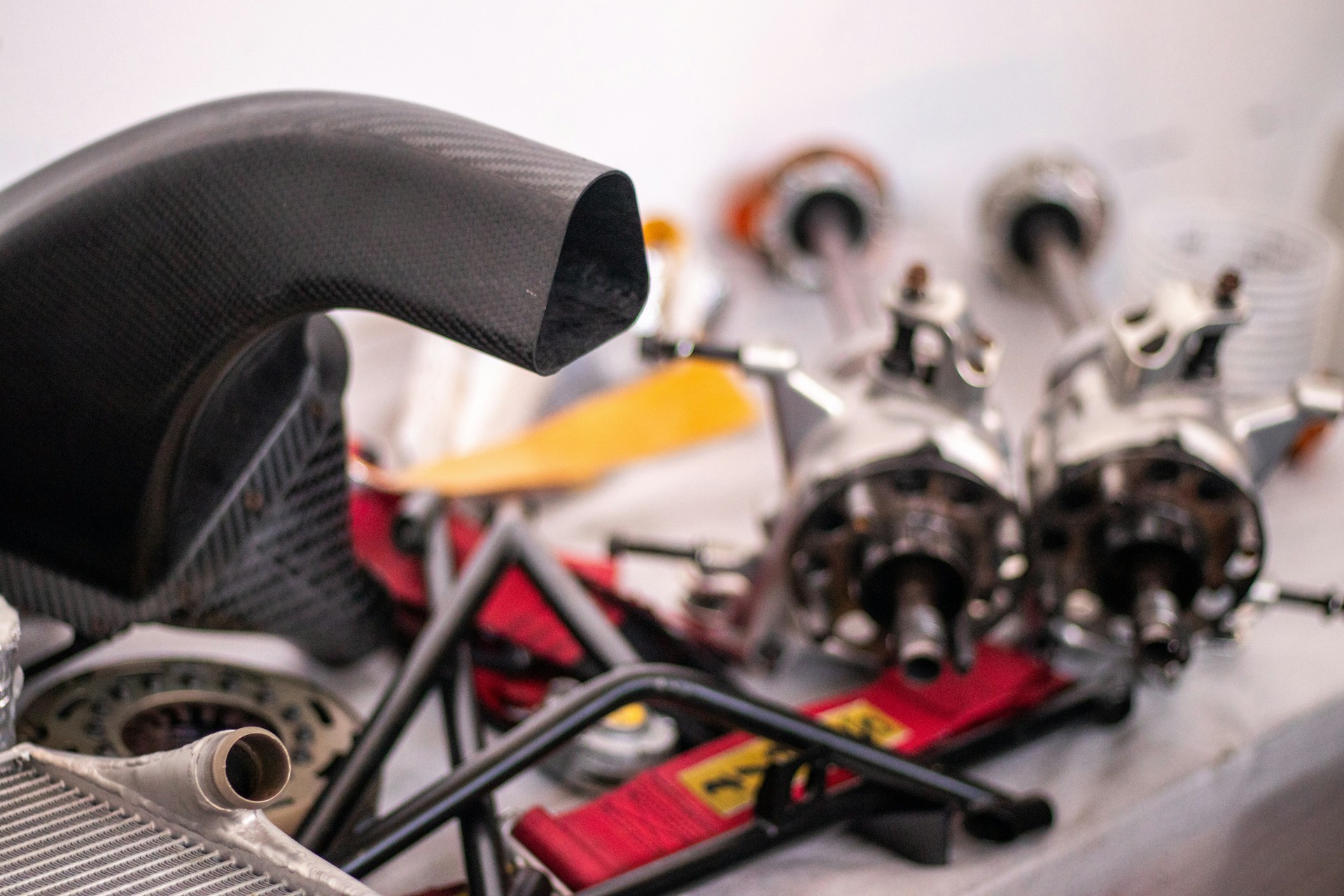
To connect hose ends to radiators, turbines, intake piping and intercoolers, consider using rounded-edge steel worm-drive clamps. Since silicone is soft, the clamps prevent sharp biting or cutting, while the 360-degree clamping force prevents air and coolant leaks. Moreover, the marine-grade stainless steel resists corrosion and heat cycling, ensuring long-term durability and consistent engine performance.