


Your roof does a quiet job until it suddenly decides it would like your full attention. One day it’s just sitting there, minding its business. The next, you notice a stain on the ceiling or shingles in the yard like your house had a bad hair day. In Plainfield, roofs have to handle more than changing seasons. The area receives around 45 inches of precipitation each year, along with freezing winters, summer storms, and frequent temperature swings that gradually wear down roofing materials over time. If you’ve been wondering whether your roof needs more than a quick fix, it helps to know the everyday signs. A little attention today can help you avoid much bigger repairs tomorrow.
When age shows
A roof doesn’t usually fail all at once. It wears out in layers, bit by bit, and the signs can be easy to miss until they stack up. If your roof is around 20 years old, or older, it may be entering the stage where repairs stop being the smart long-term move.
That doesn’t mean every older roof needs to go right away. Some hold up well with good maintenance. Still, age changes how roofing materials perform. Shingles can dry out, sealants can crack, and flashing can loosen. If you’re comparing repairs with roof replacement in Plainfield, roof age is one of the biggest clues to look at first.
It helps to think of your roof like a pair of shoes. If they’re old, worn thin, and have been patched a few times, fixing one more loose spot may not solve the real problem.
Leaks tell stories
A leak rarely starts as a dramatic waterfall in your living room. More often, it begins with subtle hints. You might see a yellow-brown spot on the ceiling, peeling paint near a wall edge, or a damp smell that sticks around after rain.
Your attic can also spill the beans. If you notice moisture on beams, wet insulation, or signs of mold, your roof may be letting water in. Even tiny leaks matter because trapped moisture can lead to wood damage and air quality issues over time. The tricky part is that water doesn’t always drip straight down from the source. It can travel along rafters before showing up somewhere else. That’s why a stain in one room may connect to a roofing issue several feet away.
If you keep seeing the same leak return after repairs, your roof may be waving a little red flag. It’s not trying to be dramatic. It’s just asking you to pay attention.
Shingles in trouble
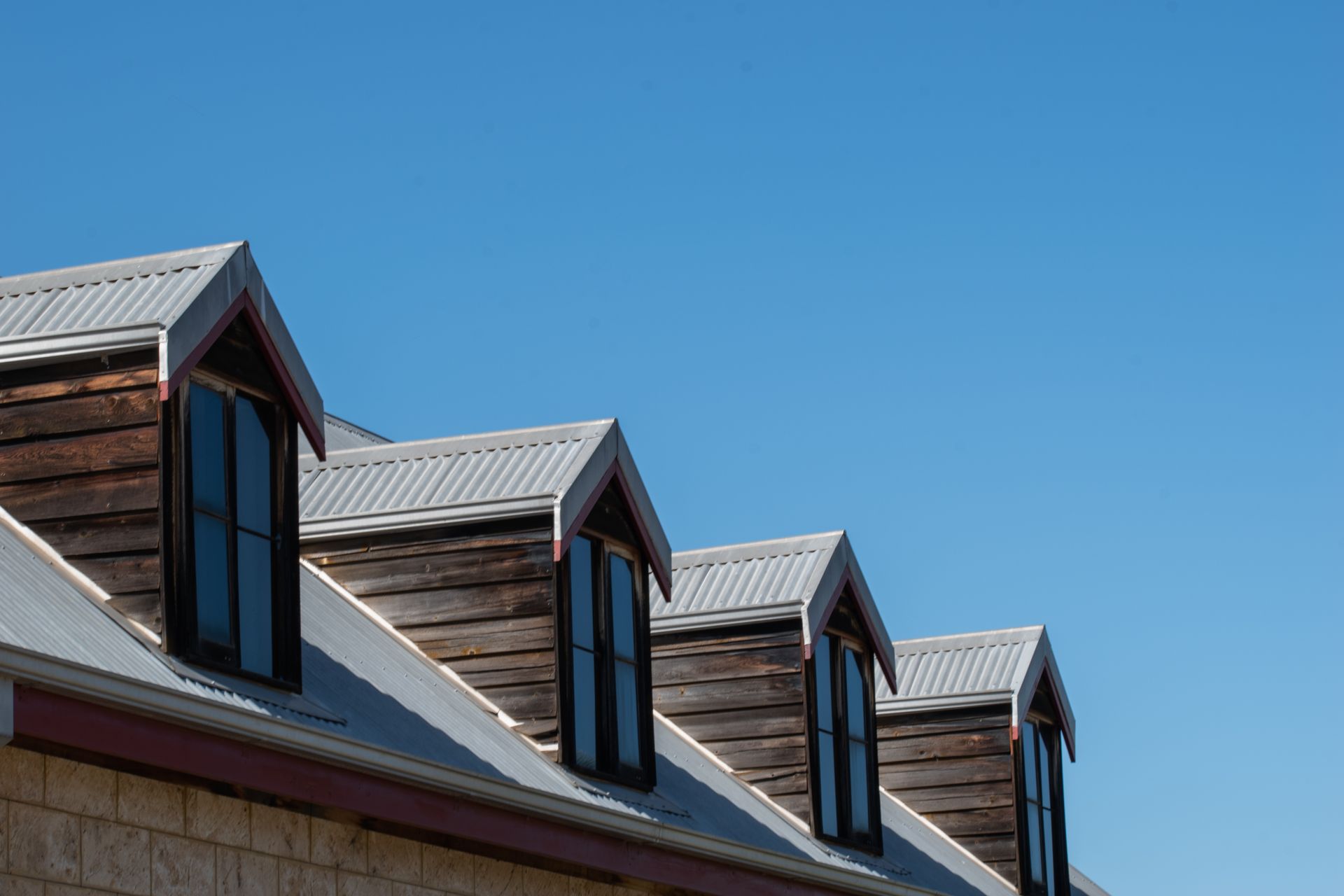
You don’t need to climb onto the roof to spot trouble. In fact, please don’t turn this into an action movie. A view from the ground, or even from upstairs windows, can tell you plenty. Look for shingles that are curling at the edges, cracking through the middle, or missing completely. These are common signs that the roof is losing its ability to protect your home. Bald-looking shingles are another clue. That happens when granules wear away, leaving the surface more exposed to sun and rain.
Check your gutters too. If you find lots of shingle granules collecting there, your roof may be aging faster than it looks from below. Granules help shield shingles from weather, so losing them is not just a cosmetic issue.
You may also notice uneven areas or spots that look darker than the rest. Those can point to trapped moisture, hidden wear, or sections that are deteriorating at different speeds.
Weather takes a toll
Roofs put up with a lot. Sun bakes them, wind tugs at them, rain pounds them, and hail can smack them around like nature is testing a drum set. Even when there’s no obvious storm damage, regular weather adds up over the years. Wind can loosen shingles and lift flashing around chimneys or vents. Heavy rain can sneak into small gaps. Hail may knock off granules or bruise shingles in ways that are hard to see from the ground. In places with changing seasons, freezing and thawing can also stress roofing materials.
After a big storm, it’s smart to do a basic check around your home. Look for shingles in the yard, dents on gutters, or new debris buildup on the roofline. Inside, watch for fresh stains or damp attic spots. Seasonal awareness goes a long way. A quick look in spring and fall can help you catch problems before they turn into expensive indoor damage.
Repair or replace
This is the question most homeowners wrestle with. If the damage is small and your roof is fairly new, a repair often makes sense. A few missing shingles or a localized issue around flashing may not call for a full replacement. The equation changes when repairs keep piling up. If you’ve patched the same area more than once, or if multiple parts of the roof are wearing out together, replacement can be the more practical choice. It may cost more upfront, but it can spare you from repeated repair bills and surprise leaks.
You’ll also want to think about timing. If you plan to stay in your home for years, a new roof may bring more peace of mind and better long-term value. If you’re preparing to sell, roof condition can affect buyer confidence too.
There’s no magic number that decides it for everyone. The best choice usually comes down to age, extent of damage, and whether the roof still has dependable life left in it.
Planning the project
If replacement is the right move, a little planning can make the process much less stressful. Start by understanding your roof’s current condition and getting clear on what work is actually needed. Ask questions in plain language and make sure the answers make sense to you.
A few helpful things to ask about include:
– Expected timeline
– Cleanup process
– Material options
– Warranty details
– How weather could affect scheduling
You should also think about household logistics. Roof work can be noisy, so it helps to plan for pets, naps, work calls, and anything else that does not pair well with pounding overhead. Move vehicles if needed and protect fragile items on walls or shelves, since vibrations can travel indoors. Most of all, don’t wait until a small issue becomes a giant headache with water stains. A roof may live above your head, but when it starts struggling, it has a funny way of bringing the problem right into your daily life.