







If you’ve ever had your kidneys checked, you’ll know that there can be quite a few different numbers and abbreviations to get your head around.
BUN, eGFR, uACR… It all starts to sound a bit like alphabet soup.
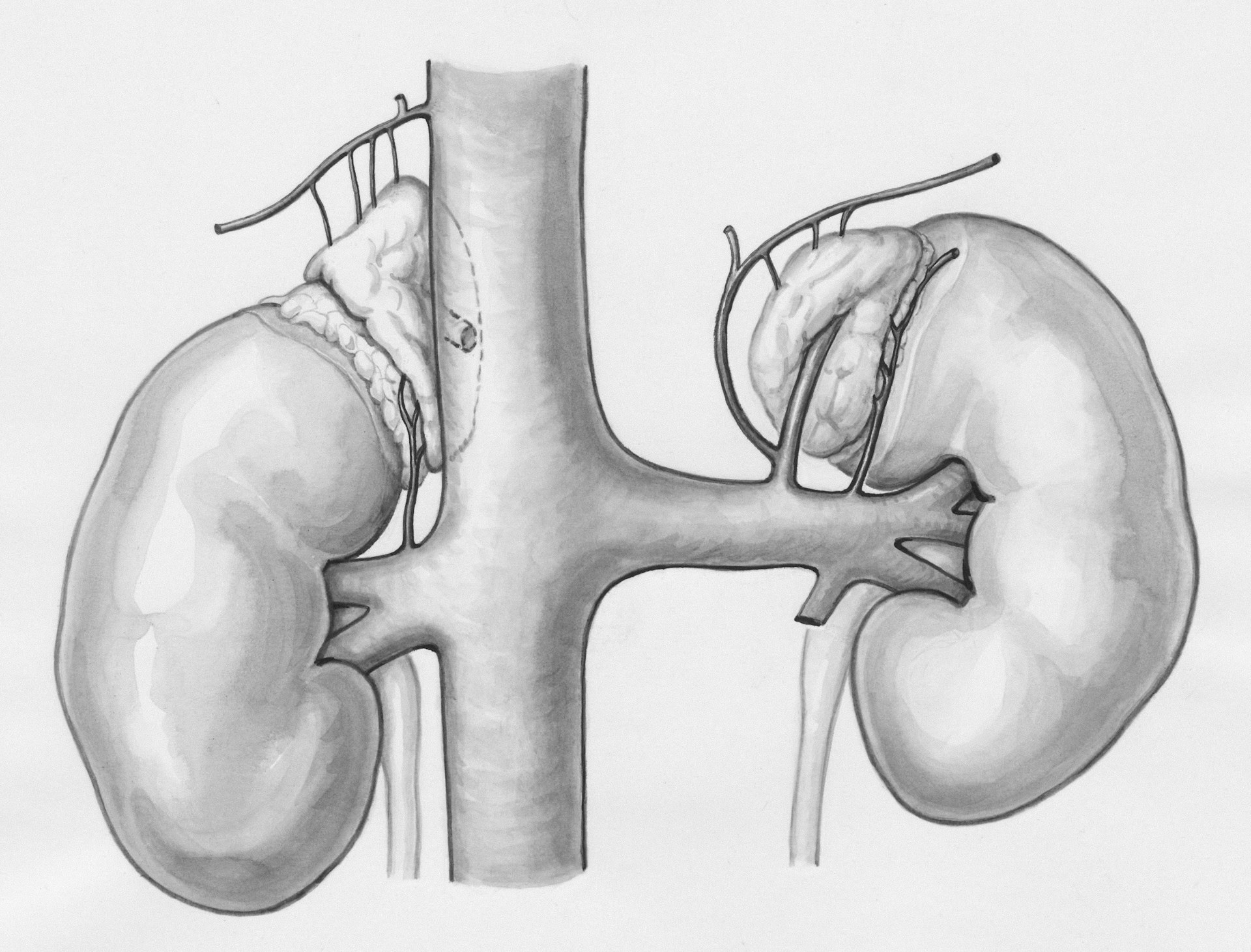
The good news is, these tests are actually pretty straightforward once you know what they’re looking at. Doctors use a combination of blood and urine tests to keep an eye on how your kidneys are working and to spot any changes over time.
Keep reading on to learn three of the most common ones you might come across.
Blood Urea Nitrogen (BUN) and Basic Metabolic Panels
Let’s begin with the blood tests.
BUN – short for blood urea nitrogen – looks at the amount of urea nitrogen in your blood. Urea is a waste product that your body produces, and your kidneys normally filter it out. If your BUN level is higher or lower than expected, your doctor might want to take a closer look at what’s going on.
You might also have a basic metabolic panel – or BMP. This checks several substances in your blood, including electrolytes and other markets. These markers tell your doctor more about your general health and kidney function.
Calcium might be listed among your blood test results, too. While calcium is vital for all sorts of things in the body, it’s worth remembering that a calcium test normal values result isn’t the same thing as a direct measurement of kidney function.
And don’t panic when you see a result outside the range printed on your lab report. There could be numerous reasons for individual results to vary – and your doctor will look at the bigger picture before reaching a conclusion.
Estimated Glomerular Filtration Rate (eGFR)
eGFR is another term you’re likely to hear when talking about kidney health.
In simple terms, it gives doctors an estimate of how well your kidneys are filtering waste from your blood. A lower eGFR might indicate reduced kidney function. But remember, the result should be considered alongside other information.
One of the useful things about eGFR is that doctors can track it over time. Rather than looking at a single number in isolation, they’ll see whether your kidney function appears stable of whether there’s been a change.
So, if you’re having regular blood tests, those results could help your doctor build up a much clearer picture of your kidney health.
Urine Albumin-to-Creatinine Ration (uACR)
It’s not all about blood tests, either. Your urine will give doctors some useful information about your kidneys as well.
The urine albumin-to-creatinine ratio, or uACR, looks for albumin in your urine. Albumin is a protein that normally stays in your bloodstream. If more than expected is showing up in your urine, it could be a sign that the kidneys aren’t filtering quite as they should.
It’s a pretty simple test. All you need to do is provide a urine sample.
To conclude, there isn’t one magic test that tells your doctor everything they need to know about your kidneys. They’ll usually look at your blood tests, eGFR, and urine results together – along with other factors.