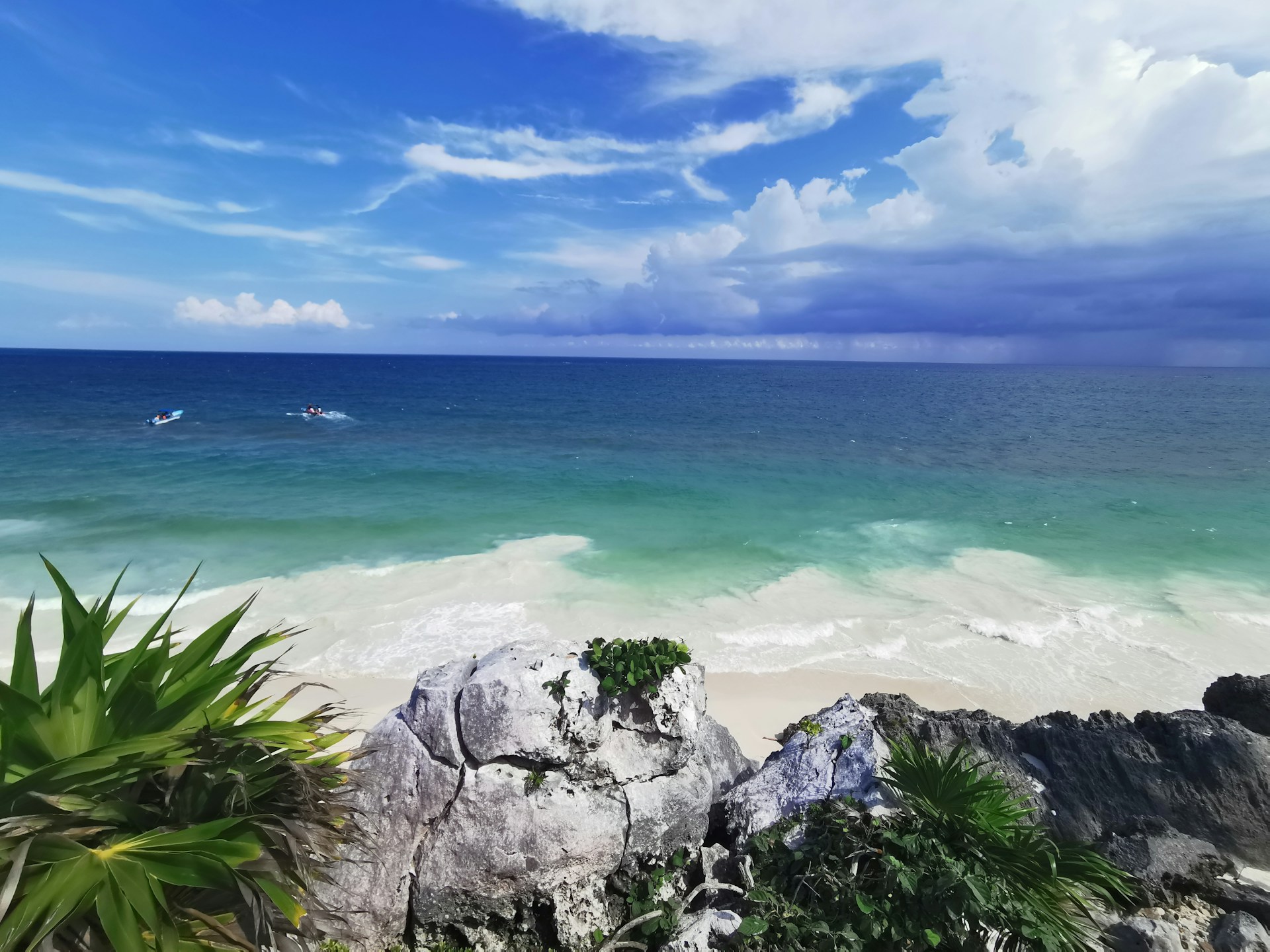







Parking a rig near the ocean offers unmatched views and ocean breezes. Taking an RV to the beach introduces unique challenges like salt mist, shifting sands, and unpredictable wind gusts. Preparing your rig with appropriate gear keeps your trip smooth and stress-free. Simple adjustments to your setup protect your vehicle frame, electronics, and daily outdoor living space.
Salt Spray and Electrical Defense
Coastal air carries heavy salt concentrations that accelerate rust on exposed metal. A recent industry report highlighted that enclosed underbellies stand out as a key design feature for beach trips since they shield wiring, plumbing lines, and structural components from corrosive salt spray. Standard undercarriage washes after your trip help, but physical barriers offer the primary line of protection against damp, salty air.
Power reliability near the coast requires extra protection against voltage drops and ocean storms. Guidance from camping experts notes that modern RV owners benefit far more from an Electrical Management System, or EMS, than a basic surge protector. These advanced units actively shut down power during severe high or low voltage spikes, preserving sensitive electronic boards in modern rigs.
Site Setup and Coastal Campground Planning
Setting up camp on sandy terrain requires specialized stabilization techniques. Standard plastic leveling blocks can easily sink into soft sand, so wide wooden pads or heavy-duty rubber mats work far better to support your jack legs. Taking time to level your rig properly keeps your slide-outs aligned and prevents excess frame stress. Planning your route along coastal corridors involves finding locations that offer high-grade amenities and reliable access points. Consulting a Thousand Trails membership expert helps travelers find premier RV resorts located near oceanfront access roads. This approach makes securing extended stays along popular coastlines far more predictable during peak travel months.
Beach winds can shift suddenly from gentle breezes to strong gusts without warning. Securing your awning with heavy straps and removing loose patio items before nightfall prevents expensive structural damage. Keeping your outdoor living footprint tidy keeps your campsite clean and safe.
Shoreline Fire Safety and Propane Management
Managing fuel systems near the coast requires strict adherence to safety rules and weather warnings. Operational insights from outdoor guides explain that your RV propane system serves as the primary backbone for off-grid comfort, running your heater, water heater, refrigerator, and cooking appliances. Checking your propane fittings for corrosion before heading to the shore keeps gas lines functioning without interruption.
High winds along ocean beaches frequently trigger localized campfire bans during dry spells. Official forest service updates clarify that gas or propane camp stoves equipped with a direct shut-off valve or lever are allowed even during fire restrictions. Using portable propane fire bowls gives you warmth and campfire ambiance without creating flying embers that pose fire hazards.

Beach Gear and Shade Solutions
High humidity and constant ocean sunshine demand proper shade and ground beach gear. Outdoor recreational advisories remind visitors to pack locally bought firewood, sunscreen, insect spray, screen tents for shade, and long tent stakes engineered specifically to anchor gear in sand and wind. Carrying dedicated sand stakes stops pop-up canopies from lifting off when ocean breezes pick up.
Tracking moisture inside your rig is another critical part of daily maintenance near the sea. Salt air holds high humidity levels that create condensation inside sleeping areas and cabinets. Running a portable dehumidifier or hanging moisture-absorbing bags in closets keeps indoor air crisp and prevents mildew growth.
Cold Storage and Extreme Weather Preparation
Managing food safety at beach campsites requires reliable temperature control. Regional resort guides point out that ocean humidity and heat melt ice quickly, making a well-insulated cooler a mandatory item for beach trips. Storing sensitive drinks and food items in a high-performance cooler saves interior RV fridge space and reduces daily power draw on your batteries.
Coastal weather patterns can shift rapidly from clear skies to dangerous squalls. National weather alerts define severe thunderstorms as systems capable of generating hail of 1 inch or larger or wind gusts exceeding 58 mph. Monitoring local forecasts through a dedicated weather radio gives you early warnings to retract awnings and secure loose items long before storm fronts arrive.
Key Packing Checklist for Ocean Camping
- Heavy-duty sand stakes and wide jack pads for stability
- Portable dehumidifier and moisture absorption bags for indoor air
- Electrical Management System (EMS) for shore power protection
- Portable propane fire pit with emergency shut-off valves
- Well-insulated auxiliary cooler for beverage storage
Modern Travel Trends and Ocean Camping Community
RV travel along coastal highways continues to attract diverse groups of road trippers seeking memorable outdoor experiences. Industry news reports state that national tourism programs are expanding their marketing reach in 2026 by launching creator initiatives across family travel, outdoor adventure, and the fast-growing 50-plus traveler market. Connecting with experienced campers allows new travelers to learn practical maintenance tricks for harsh ocean environments.
Taking your RV to the coast creates unforgettable memories of ocean sunsets and morning walks on the sand. Equipping your vehicle with robust electrical defense, proper sand anchors, and moisture control gear protects your investment against tough salt air. Taking a proactive approach to maintenance keeps your rig running smoothly trip after trip. Pack your gear, check the tide charts, and enjoy your time near the water.