




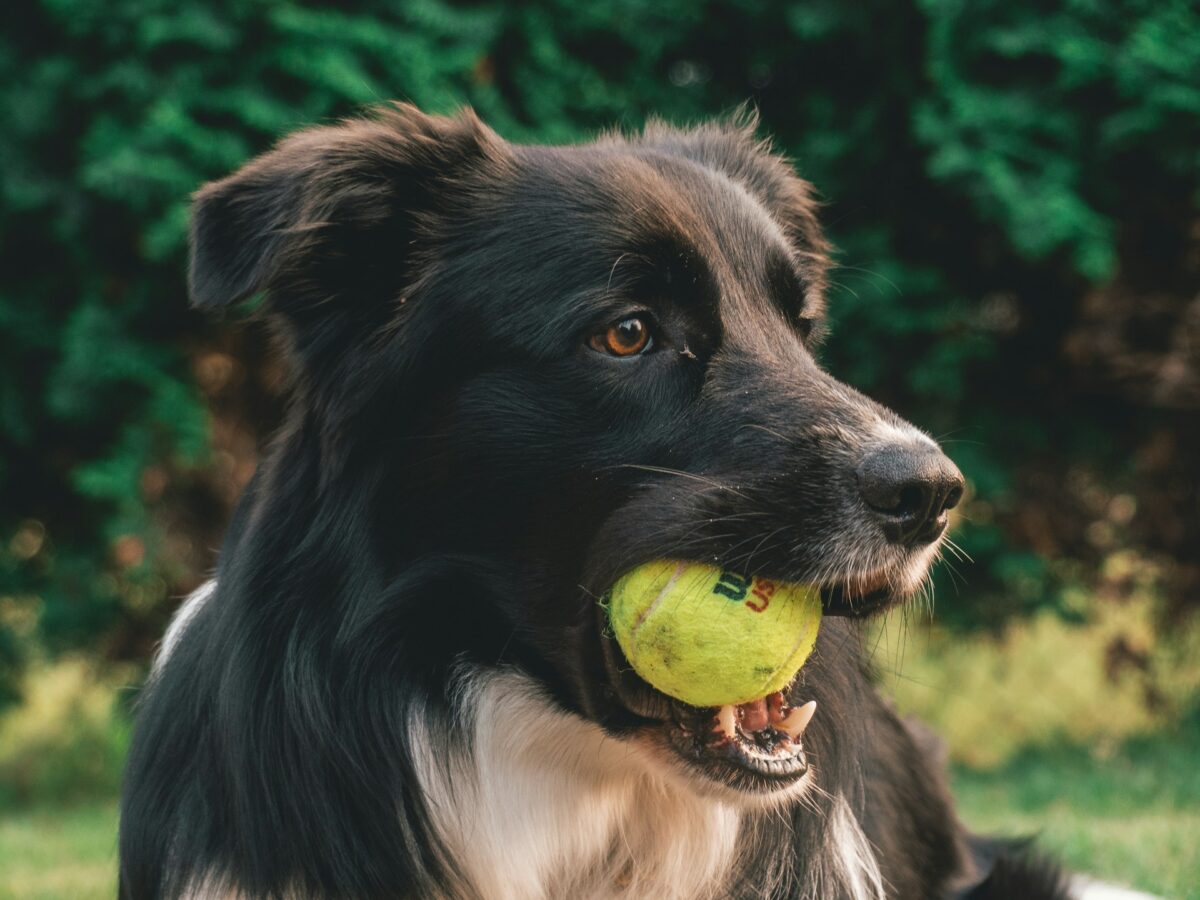

Dogs are happiest when they are free to move, explore and use their senses. A daily walk is an important part of a dog’s routine. But there are plenty of other ways to make time outside more interesting. From hiking new trails to playing a simple game of fetch in the backyard, the right outdoor dog activities can give them both physical exercise and mental stimulation.
The best activity depends on your dog’s age, fitness level, personality and physical abilities. A young, energetic dog may enjoy a long hike or a game of fetch, while an older dog may prefer a leisurely nature walk with plenty of time to sniff. The goal is always to find activities your dog enjoys and can safely handle.
Why Outdoor Activities Matter for Dogs
Regular physical activity can help dogs maintain a healthy weight, support mobility, and provide valuable mental stimulation. The American Kennel Club states that exercise needs vary depending on the dog’s breed and age. Meaning there is no single routine that works for every dog. Outdoor adventures also allow dogs to experience new sights, smells and sounds. For many dogs, that sensory variety can make an ordinary walk much more engaging.
If your dog spends most of the day indoors, introducing different dog outdoor activities can also give them something to look forward to. Even small changes, such as taking a different walking route or introducing a new game, can make a familiar routine feel fresh.
1. Explore a New Walking Route
There is no need for an elaborate plan to make an outdoor adventure more exciting. Try exploring a different neighborhood, park or walking path with your dog. Allowing your dog to stop and sniff can make the walk more mentally stimulating. Instead of focusing entirely on distance or speed, give your dog opportunities to investigate their surroundings, provided the area is safe and dogs are permitted.
For dogs that are still learning leash manners, new environments can also provide useful training opportunities. Practice basic cues such as “sit,” “stay” and walking politely on a leash before moving into busier areas.
2. Take Your Dog Hiking
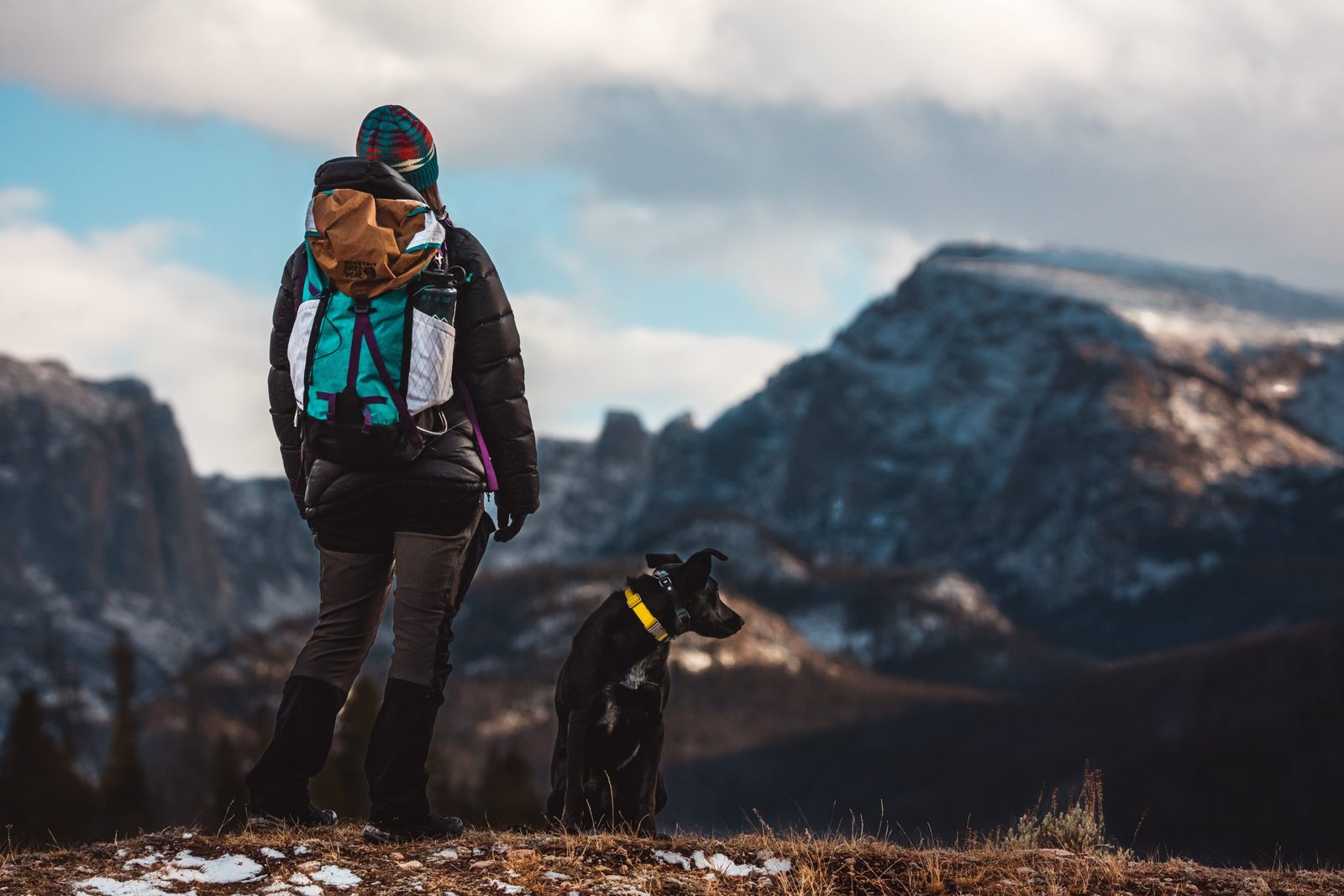
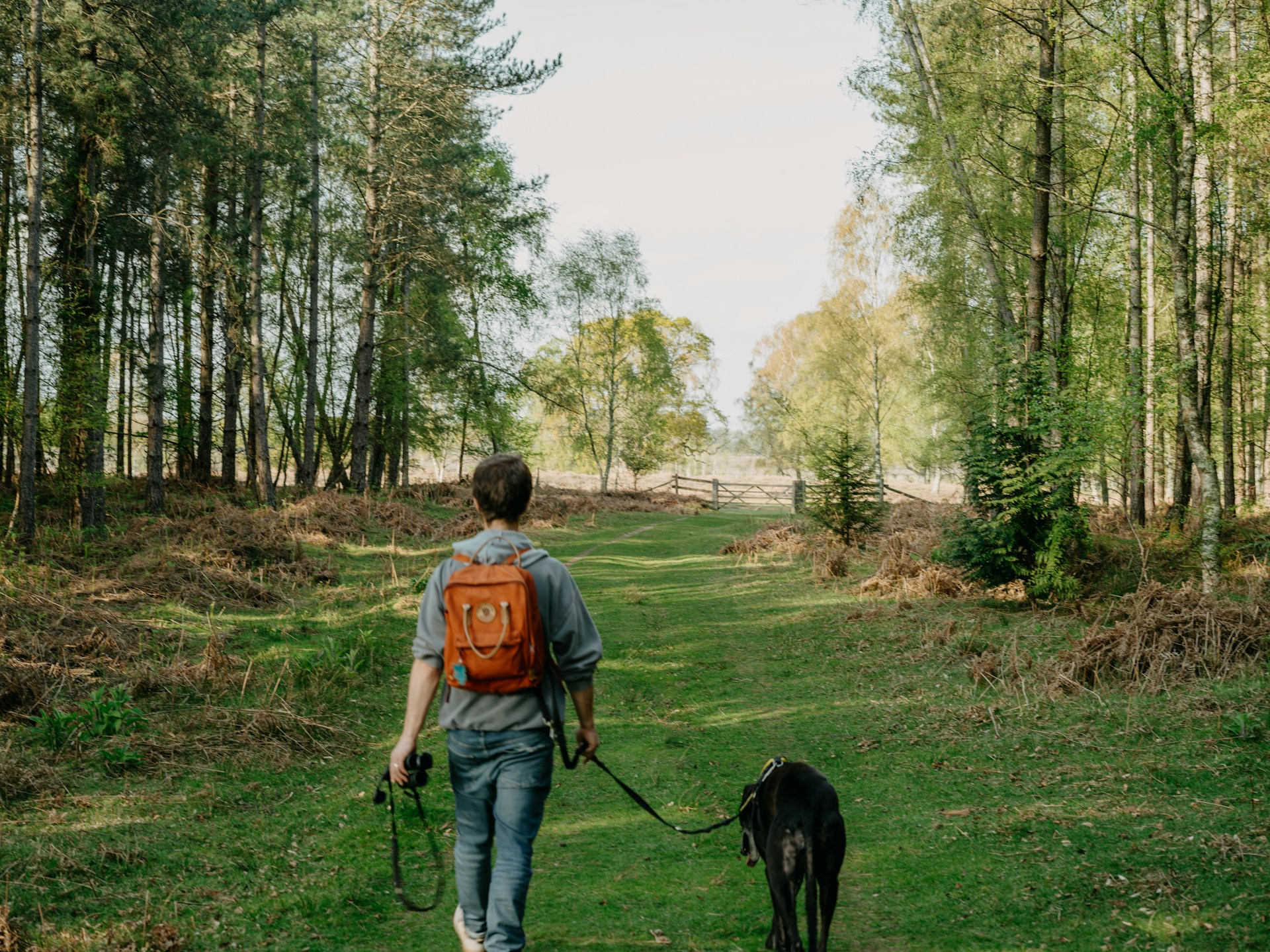
Hiking is one of the most rewarding dog friendly outdoor activities for dogs that enjoy exploring. A trail provides new terrain, smells and sights while giving both you and your dog a chance to exercise. However, hiking should be introduced gradually. The AKC recommends tailoring the distance and terrain to the individual dog and making sure basic obedience and leash skills are established before heading onto challenging trails.
Bring enough fresh water for your dog, take regular breaks and check the trail rules before setting out. Keep your dog leashed where required and respect wildlife and other trail users.
For longer adventures, a comfortable and secure Joyride Harness can be part of your walking gear. Its harnesses have adjustable straps and walking-oriented design features; as with any dog harness, proper fit is important.
3. Play Fetch in the Backyard or Park
Fetch remains a classic for a reason. It is simple to set up and can turn an ordinary outdoor space into a fun play area. Use a ball or toy that is appropriate for your dog’s size and supervise play, particularly around other dogs. Instead of throwing continuously for long periods, mix short rounds of fetch with breaks.
You can also vary the game. Try rolling the toy instead of throwing it high, changing direction or asking your dog to wait before giving the release cue. These small variations can add a training element to an otherwise familiar game.
4. Try a Dog-Friendly Water Activity
If your dog enjoys water, swimming can be an enjoyable way to stay active. A dog pool, suitable lake or dog-friendly beach can provide a different type of exercise. However, introduce dogs to water gradually and never force an unwilling dog into a pool or other body of water. Dogs should also be supervised continuously around water.
Fresh drinking water should always be available. Dogs should not rely on pool, ocean, lake or river water for hydration because natural and recreational water sources can present health risks.
5. Turn a Walk Into a Scent Adventure
Dogs experience the world largely through their noses, so a scent-focused walk can be surprisingly engaging.
Choose a safe outdoor location and allow your dog time to investigate different smells. You can also hide a few dog-safe treats around your yard and encourage your dog to find them.
This type of activity does not have to involve running. For dogs that tire easily or prefer calmer activities, scent games can add mental stimulation without requiring intense physical exertion.
6. Visit a Dog-Friendly Park
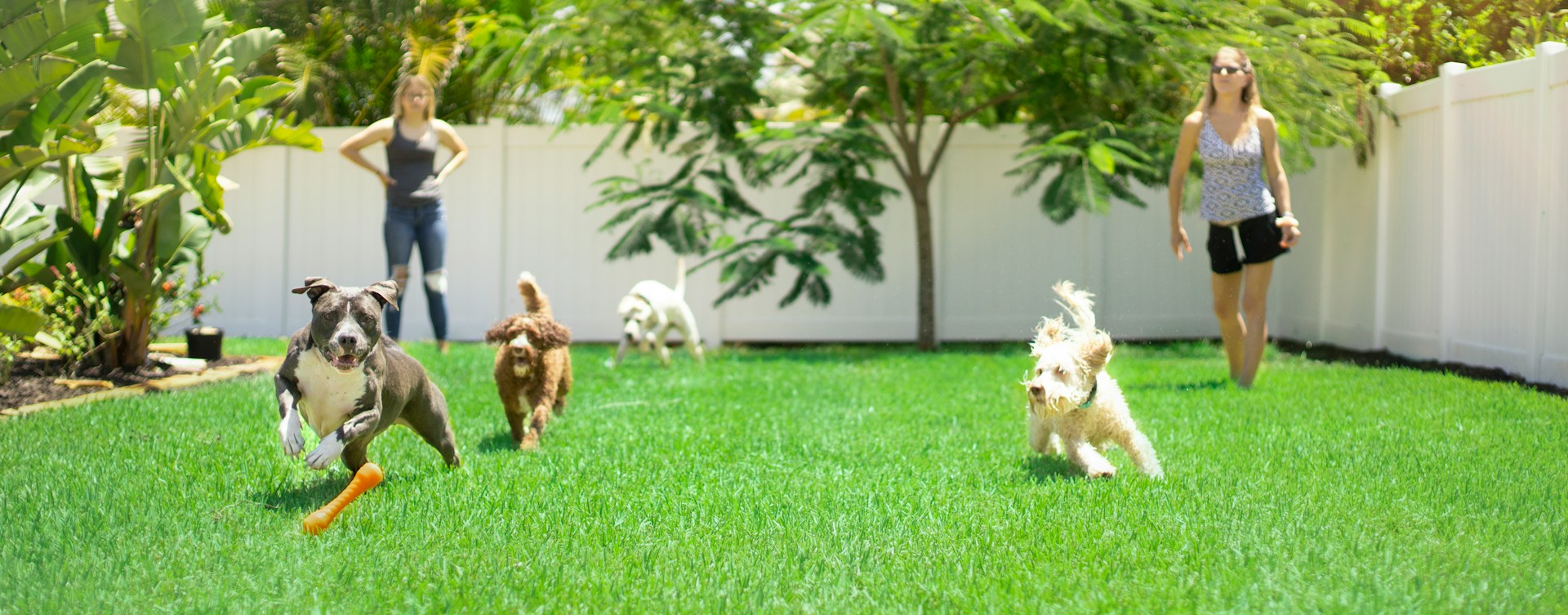
A dog-friendly park can offer a change of scenery and opportunities for controlled socialization and play. Before visiting, check the park’s rules and make sure your dog is comfortable around unfamiliar people and animals.
If your dog becomes overwhelmed, there is no need to stay. Outdoor enrichment should be enjoyable, not stressful.
You can also bring a favorite toy and work on simple training exercises. A few minutes of practicing recall, focus or basic commands between periods of exploration can keep your dog mentally engaged.
7. Go for an Outdoor Training Session
Training can happen outdoors and combine exercise with learning.
Try practicing recall in a secure area, teaching a new trick or working on loose-leash walking. You can even create a simple obstacle course using safe household objects.
The combination of movement and training can make an outing more productive without turning it into a demanding workout.
8. Try a Dog-Friendly Run
Some healthy adult dogs enjoy running alongside their owners, but running is not suitable for every dog. Age, breed, fitness level and individual health all matter.
If your dog is new to running, start slowly and build up gradually rather than jumping into a long-distance session.
Before beginning a more demanding exercise routine, speak with your veterinarian, particularly if your dog is young, older, overweight or has existing health concerns.
Outdoor Dog Activities Require Weather Awareness
One of the most important parts of planning outdoor dog activities is knowing when conditions are unsafe. Heat deserves particular attention. You should exercise dogs during cooler parts of the day, avoiding hot surfaces such as asphalt, taking frequent breaks and bringing sufficient water.
Signs of overheating can include excessive panting, difficulty breathing, weakness and collapse. This is especially relevant in hot climates. A walk that feels manageable to a person can become dangerously strenuous for a dog when temperatures and pavement temperatures rise.
Choosing the Right Outdoor Activity for Your Dog
The best outdoor activity is the one that fits your dog. Consider your dog’s age, breed, fitness level and personality. An energetic dog may enjoy hiking, running or retrieving games, while another dog may get more enjoyment from a slow walk filled with sniffing opportunities. Pay attention to your dog during and after each activity. If they seem unusually tired, reluctant to continue or uncomfortable, give them a break and reconsider the intensity of the activity.
Exercise should build gradually. Dogs that are usually inactive can be more susceptible to problems when they suddenly participate in demanding activities. Conditioning and consistency are preferable to occasional bursts of intense exercise.
Make Every Outdoor Adventure Count
You do not need to travel far or spend a lot of money to keep your dog active. A different walking route, a few rounds of fetch, a scent game in the yard or a weekend hike can all turn outdoor time into something more engaging. The key is variety, safety and paying attention to what your dog enjoys. By combining physical movement with opportunities to explore and learn, you can make outdoor time a meaningful part of your dog’s routine.
Whether you are looking for simple dog outdoor activities for a weekday afternoon or planning a bigger weekend adventure, start with activities that match your dog’s abilities. With the right preparation which includes a good dog harness, outdoor time can become one of the most enjoyable parts of both your routines.