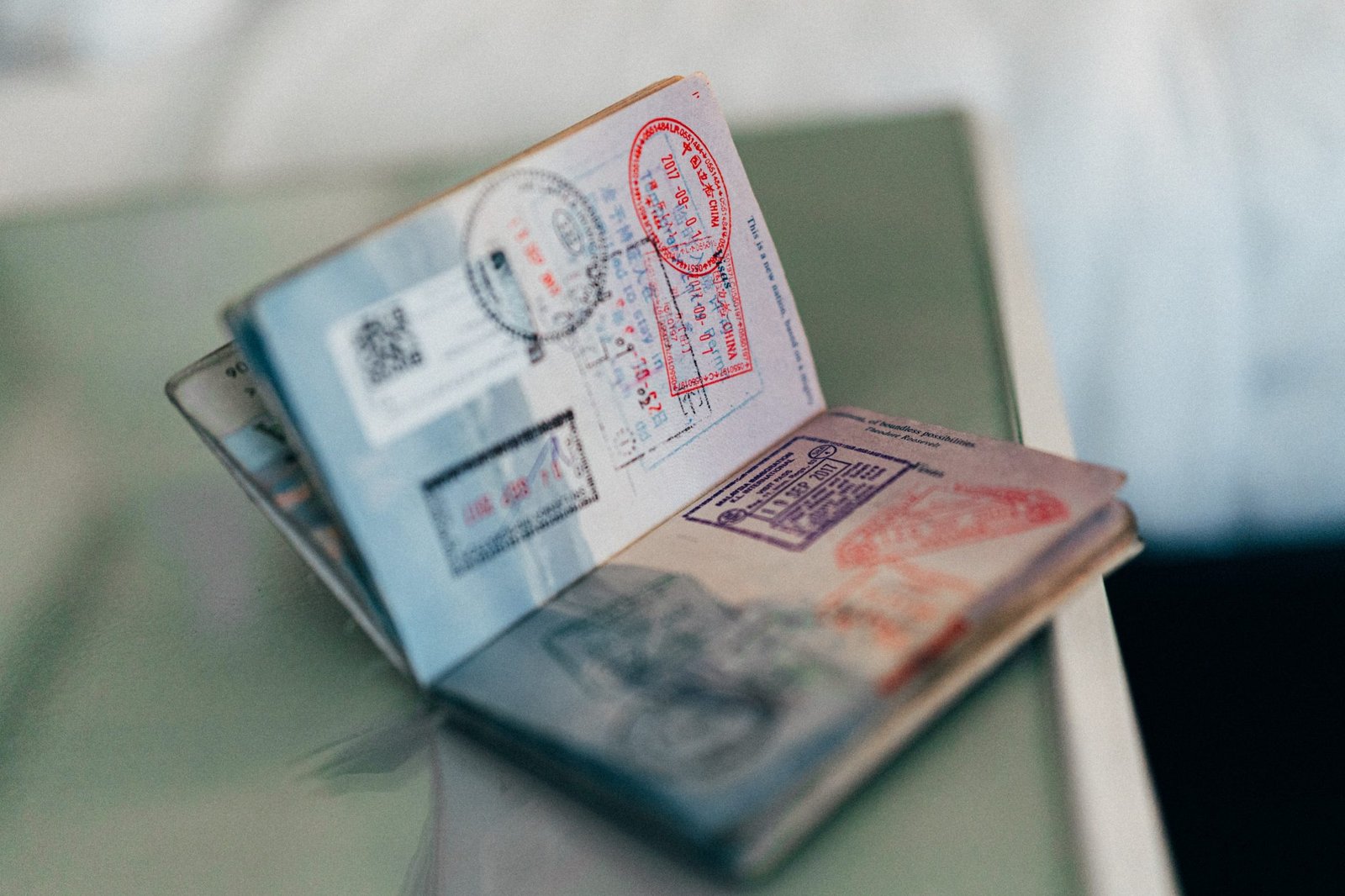

Summer trips, family weddings overseas or a holiday with grandparents in another country all sound like typical family adventures.
However, for parents who share custody, plans like these can get complicated fast.

Taking a child across borders is a much bigger deal than a weekend trip two states over.
If you’re going through a divorce or already have a custody order in place, it helps to know how international travel can shape what you are allowed to do, and what can happen if you skip the proper steps.
Knowing the basics ahead of time can keep a dream vacation from turning into a court date.
What Your Custody Order Says About Travel
Most custody orders and parenting plans include language about travel, and international trips often get extra attention. Some orders require you to give the other parent written notice weeks ahead of time. Others call for written consent before a child leaves the country at all. Many ask for a full itinerary, including flight details, where the child will stay and a phone number where you can be reached.
If your order is silent on the topic, that doesn’t mean you can book a ticket and go. Joint legal custody generally means both parents have a say in major decisions, and a judge may view an overseas trip taken without any discussion as a break from that shared role.
There are practical hurdles as well. In the United States, a minor’s passport application typically needs consent from both parents, or proof that one parent has sole legal authority. Some countries also require a notarized letter from the parent who’s staying home before they let a child enter.
Travel also has to fit around parenting time. A two week trip may work perfectly well during your summer block. The same trip could cut into the other parent’s scheduled time, which can lead to arguments about make-up days.
Judges tend to ask a few simple questions. Does the trip benefit the child? Will it disrupt school? Will the child come back on the date promised?
Why Courts Take Border Crossings Seriously
The biggest concern is simple. Once a child is in another country, a U.S. court may have very little power to bring them back. That’s why judges pay close attention to flight risk, even when a parent has no bad intentions.
When a judge weighs a request, the destination matters a great deal. A country where the traveling parent has family, citizenship, or property raises more questions than a resort town where the family knows no one. It also matters whether that country has signed the Hague Convention on the Civil Aspects of International Child Abduction, a treaty that helps return children who were wrongfully taken or kept abroad.
Beyond geography, the court looks at the parent. A history of following court orders helps. Recent changes like quitting a job or selling a home can suggest a parent may not plan to return. The length of the trip and whether a return ticket has already been purchased also carry weight.
If the destination is not a Hague member, the stakes rise. Getting a child back can turn into a long, expensive process with no guarantee at the end. Because of that, a judge may attach conditions to a trip, such as posting a bond, requiring regular video calls with the other parent, limiting how long the trip can last or asking the traveling parent to hand over a copy of the return flight before leaving.
Ignoring these rules carries real consequences. A parent who takes a child abroad against a court order can face contempt findings, a change in the custody schedule, supervised parenting time, or even criminal charges in serious cases. Judges remember this kind of behavior when they make future decisions.
Travel can also come up when a parent wants to move abroad permanently. Relocation requests get far more scrutiny than vacations, and many courts require formal notice and a hearing. The parent asking to move usually has to show a good reason and explain how the child’s relationship with the other parent will be protected.
How to Avoid Problems When Planning a Trip
Most travel disputes grow out of poor communication, not bad intent. A few habits go a long way. Start by reading your order closely before you book anything, paying attention to notice periods, consent rules, and any limits on where the child can go. Then ask early.
Send the other parent your dates, flight information, and lodging details in writing, since an email or text creates a record. If the other parent agrees, have them sign a short travel consent letter, and consider having it notarized. Bring that letter on the trip along with a copy of the custody order and the child’s birth certificate, because border agents and airline staff sometimes ask for them.
If the other parent says no, you still have options. You can ask a judge to approve the trip, and courts often side with parents who made a reasonable, well documented request.
The same advice applies if you are the parent being asked for permission.
Think honestly about whether your objection comes from a real safety concern or from frustration with your ex. Judges can usually tell the difference. Blocking a harmless vacation can reflect poorly on you, while a well-founded worry that a child may not return deserves to be raised properly and taken seriously.
If a trip is on the horizon and you are unsure how it might affect your case, talking with an experienced divorce lawyer like the attorneys at Davis & Associates before you book can save a lot of stress. This is especially true during a divorce, since temporary orders issued while the case is pending may restrict travel as well. A family law attorney can explain how the rules work in your state and what a judge is likely to expect.
International travel doesn’t have to derail a custody arrangement. Clear paperwork, honest communication and respect for the court’s orders keep most trips smooth. When something does go wrong, it is usually because someone assumed they did not need permission. A little planning protects your child’s routine, your relationship with the other parent, and your standing in front of a judge.