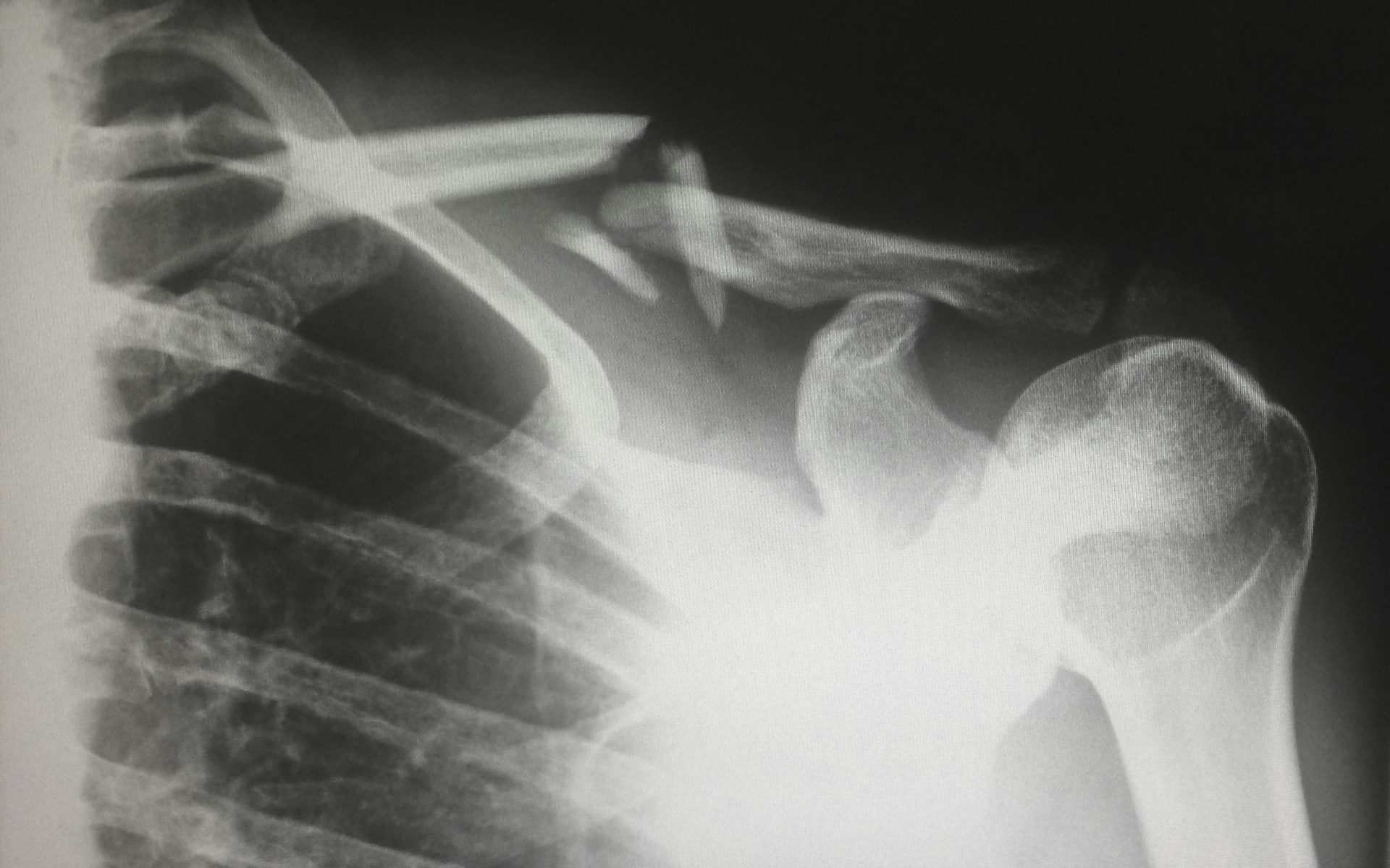

An unexpected injury can leave you dealing with pain, medical appointments, missed work, and a lot of uncertainty.
In the first few hours or days, it may be difficult to think about anything beyond getting through the immediate situation.

Still, a few practical steps can make things easier later.
If another person caused your injury, speaking with an Arizona personal injury lawyer can help you understand your legal options. Before that conversation, though, you can do several things to protect your health and keep useful information about what happened.
Get Medical Attention
Your health should come first. If the injury requires emergency care, seek it immediately. For less serious injuries, make an appointment with a medical professional as soon as reasonably possible. Some injuries are obvious right away. Others may take hours or days to become noticeable. A medical evaluation can identify problems that aren’t easy to recognize on your own.
Follow the treatment instructions you receive. If your doctor recommends follow-up visits, physical therapy, medication, or additional testing, keep those appointments unless your medical provider tells you otherwise. Your medical records can also provide a clear account of your condition and treatment after the incident.
Report What Happened
Depending on the circumstances, you may need to report the incident to the police, an employer, a property owner, or another responsible party.
For example, a car crash should generally be reported when required by law. An injury at work may need to be reported through your employer’s procedures. If you were hurt on someone else’s property, notifying the property owner or manager can create a record of the incident.
Ask whether you can obtain a copy of the report or written notice for your records. Having documentation can be helpful if questions arise later about what happened.
Write Down the Details
Your memory may be clear immediately after an accident, but details can become harder to recall as days pass. Take a few minutes to write down what you remember.
Include the date, time, location, people involved, what happened before the injury, and what you noticed afterward. Note any visible injuries or symptoms as well.
Try to record facts rather than guesses. You don’t need to determine who was legally responsible while writing your account. Simply describe what you saw, heard, and experienced.
Keep Your Medical Records
Create a place to keep your medical records, prescriptions, bills, appointment information, and other paperwork connected to the injury.
You may receive documents from several sources. A hospital could provide one set of records, while a doctor, physical therapist, pharmacy, or imaging center provides others. Keeping them together makes the information easier to find.
It can also help to keep a simple record of appointments and treatment. You don’t need an elaborate system. A basic list with dates, providers, and the type of care received can be enough.
Preserve Photos and Other Information
Photographs can help show the condition of an injury, damaged property, or the location where an incident occurred. If you have photographs from the day of the event, keep the original files.
You can also save relevant messages, emails, receipts, or other records connected to what happened. Do not alter or edit information that may later be needed to establish the circumstances.
If someone witnessed the incident, write down their name and contact information if you have it. You may not need to contact the person yourself, but having accurate details can be useful.
Be Careful With Insurance Companies
You may hear from an insurance company soon after an incident. The adjuster may ask questions about what happened, your injuries, or your treatment.
Answer factual questions honestly. At the same time, don’t feel pressured to guess about details you don’t know. Your condition may also change as treatment continues, so avoid making firm statements about the full extent of your injuries before you understand them.
If an insurer asks you to sign documents or provide a recorded statement, consider getting legal advice before agreeing. The request may have implications you don’t fully understand at that stage.
What Should You Do Next?
Focus on your recovery first. Get medical care, keep records of your treatment, save important documents, and write down what you remember about the incident.
If you’re unsure about your legal options, consider speaking with a personal injury lawyer. Having your records and other information ready can make that conversation easier and help you understand what to do next.