

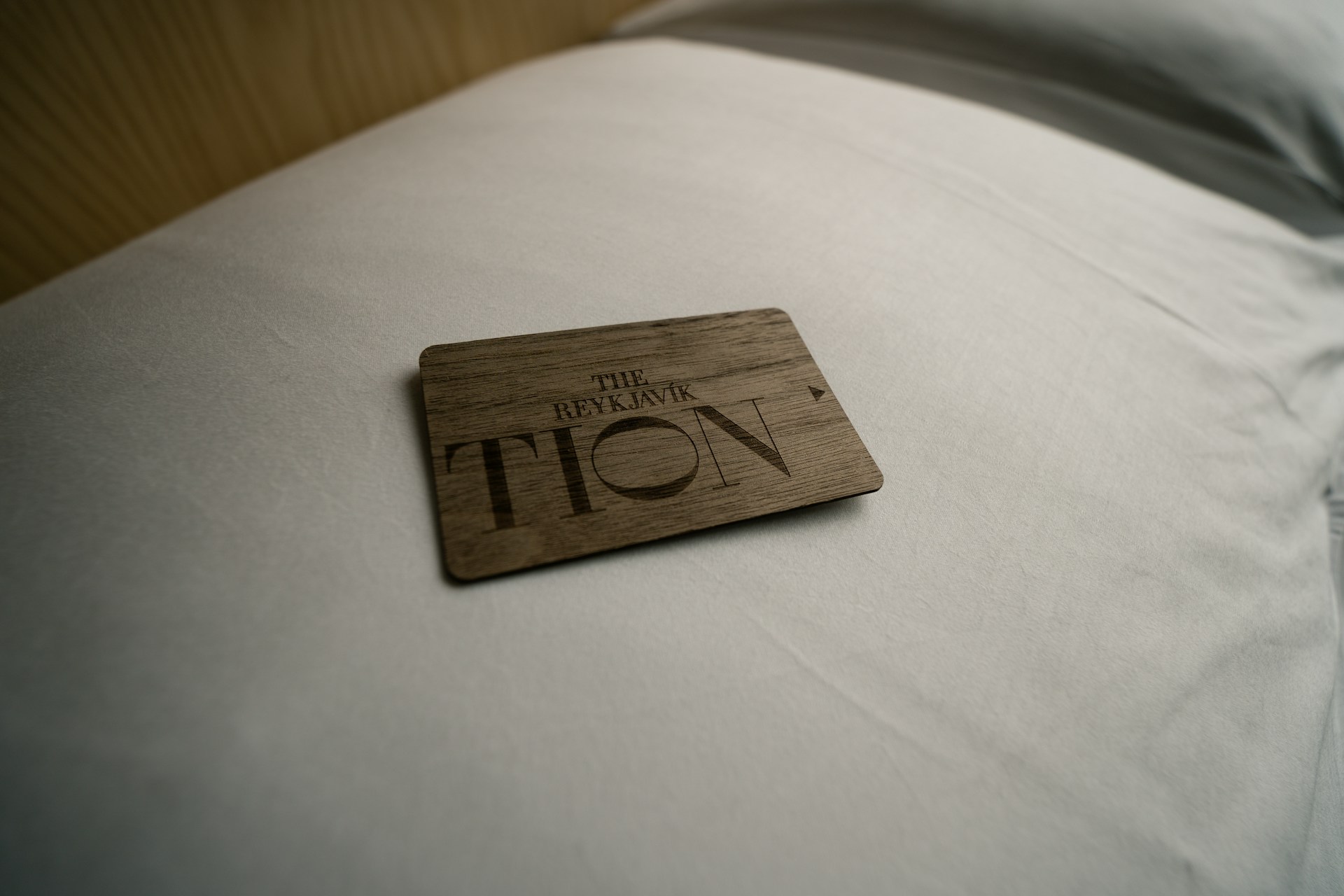
You check into a hotel, get handed a plastic card, and use it to open a door. Two minutes later you forget which pocket it is in. That little rectangle has outlived the metal key, survived a decade of phone apps, and somehow still runs the modern hotel. I think the reason is simple: it works, it costs almost nothing, and it is one of the last physical things a business still hands you at the front desk.
But the card is only half the story. The other half is the invisible system behind it that knows which guest got which card, which card opened which room, and which card got dropped in a parking lot. That system is what businesses in every industry are quietly trying to copy. When you start shopping for tools to replicate it, most lists point you toward rfid asset tracking platforms, and for good reason. But before you buy anything, it helps to understand how hotels solved the same problem with a piece of plastic and a database. Here is what a key card actually teaches anyone who has ever lost a laptop, a pallet, or a very expensive drill bit.
Why does a hotel trust a five cent card with a guest’s safety?
Because the card is not the security. The database behind it is. Every time you tap the reader, the door asks a server, “does this person belong here right now?” If you checked out an hour ago, the answer is no, even if you still have the card. That is a clever reversal of how lock and key used to work. The lock stopped caring about the object and started caring about the record.
Watch the front desk clerk hand you two cards instead of one. That is a small operational decision with real cost built in.
Two cards means a spouse can leave for the pool and still get back in. It also means one more thing that might end up on a tray by the elevator. Hotels accept that loss because the alternative, a phone call from a frustrated guest at midnight, is worse.
I would argue the cheap plastic card is the most successful asset tag ever made. It just does not look like one.
The counterintuitive lesson: chase the record, not the thing
Most businesses think about tracking in the wrong order. They picture a warehouse full of items and ask how to watch all of them. Hotels do the opposite. They accept that cards will vanish and build the system around knowing what happened to each one before it did. That shift in framing is the entire trick. Take a construction firm with a fleet of generators. If the goal is to know where every generator is at this exact second, you will spend a fortune and still lose a few.
If the goal is to know who checked one out, when, and whether it came back before the next job, you can do that cheaply and reliably. The record does the work. The thing just happens to be attached to it. Nationwide, the two biggest industries built around moving and storing physical goods are retail trade and warehousing, and together they employ a huge number of people. According to the Census Bureau, these sectors are among the largest employers in the country. Every one of those jobs involves a moment where something gets handed off, and every handoff is a chance to lose the plot.
A framework for anyone who keeps losing expensive things
I call this the Card, Door, Log test. Run any asset through it and you will see quickly whether your system is real or theater.
- Card: does the item have a physical or digital identity that travels with it? A tag, a serial, a barcode, a chip. If you cannot identify the item on sight, nothing else matters.
- Door: is there a defined moment where the item changes hands and the change gets recorded? A checkout desk, a scanner, a sign out sheet. Without a checkpoint, you have a guess, not a track.
- Log: can you answer “who had it last, and when” without asking a human to remember? If the answer lives in someone’s head, you are one vacation away from losing it.
Most small businesses fail at the door. They have tags and they have records, but no enforced moment where the record gets updated. Hotels solve this by making the door the only way in. You literally cannot get into your room without the system noticing. Find the equivalent chokepoint in your operation and make it non-optional.
The federal government has spent decades wrestling with the same problem. The National Institute of Standards and Technology publishes guidance on how organizations should manage physical and cyber assets, and the recurring theme is boring but correct: define the asset, assign responsibility, and keep an accurate inventory you can actually vouch for. No clever gadget required.
The key card is quietly dying, and we are all a little worse for it
Hotels are phasing out the plastic card in favor of phone based access. It is convenient until your phone dies in the hallway. I have watched people stand outside their rooms at 1 a.m. holding a dead phone, and it made me appreciate the dumb, cheerful reliability of a piece of plastic that needs nothing but a pocket. The reason this matters beyond hospitality is that any tracking system inherits the fragility of the thing it is built on. A phone battery is fragile. A database backup is fragile if nobody maintains it. A tag glued to a pallet is fragile the moment it peels off in the rain. The best systems I have seen assume failure and build the paper trail so that when the tag goes missing, the log does not.
The National Archives has been saying this in its own way for years. On the National Archives, the guidance around records management keeps returning to the same idea: the record has to be trustworthy, complete, and findable long after the person who created it has moved on. A hotel key card log is a humble version of that principle, and it is why the card worked for as long as it did.
What to do on Monday morning
You do not need a budget approval or a new vendor to start. Walk through your space and pick the three most valuable items you own. For each one, answer the Card, Door, Log test on a single sheet of paper. Where the answer is “someone would know,” you have work to do. Where the answer is “there is a record,” you are already ahead of most of the businesses around you.
The hotel key card secret is not the card. It is that the plainest object in the building became the most tracked thing in it, because someone made the door the record keeper. Your equipment, your files, your inventory, they all want the same treatment. The question is whether you will give them a door, or keep trusting a human to remember.