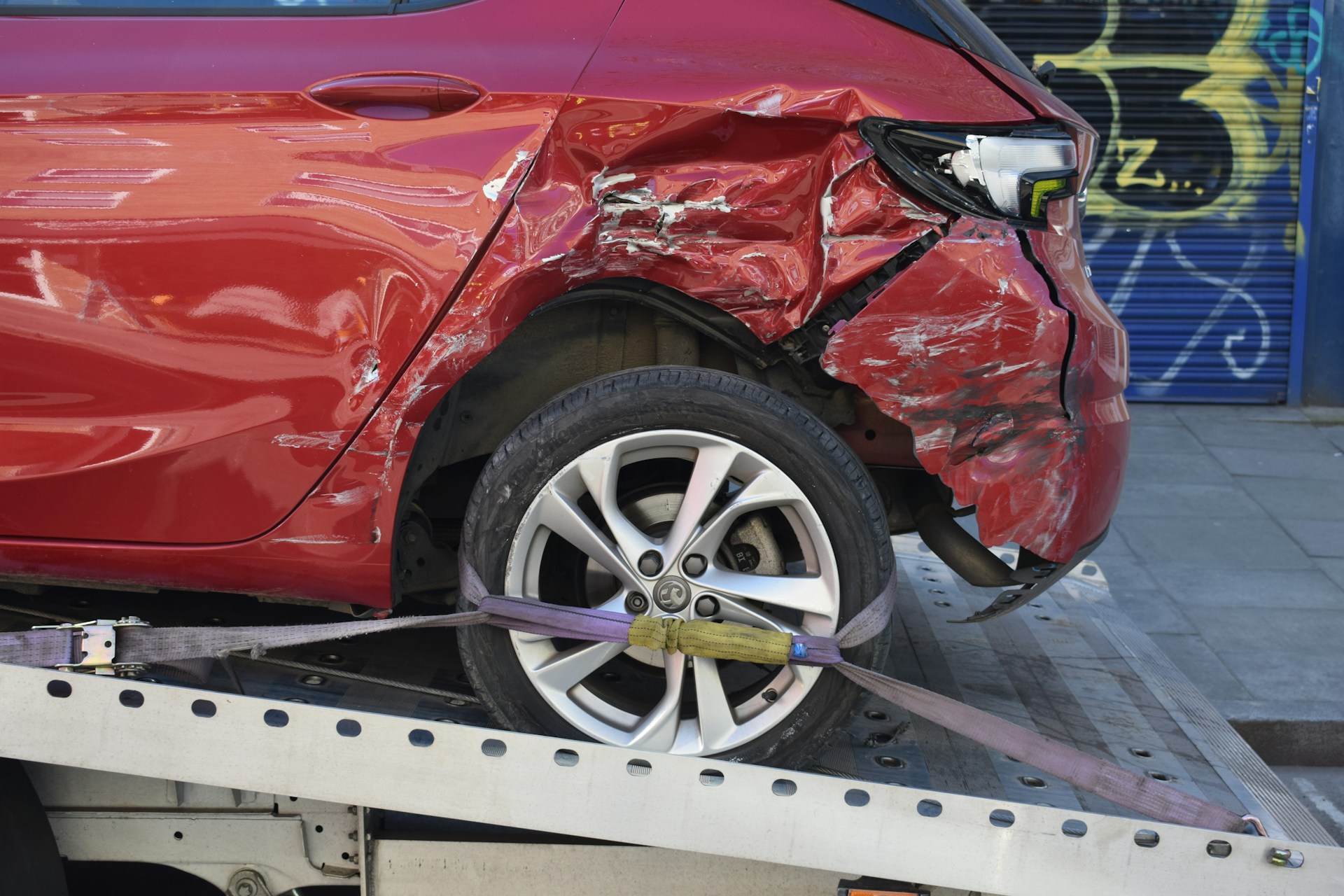





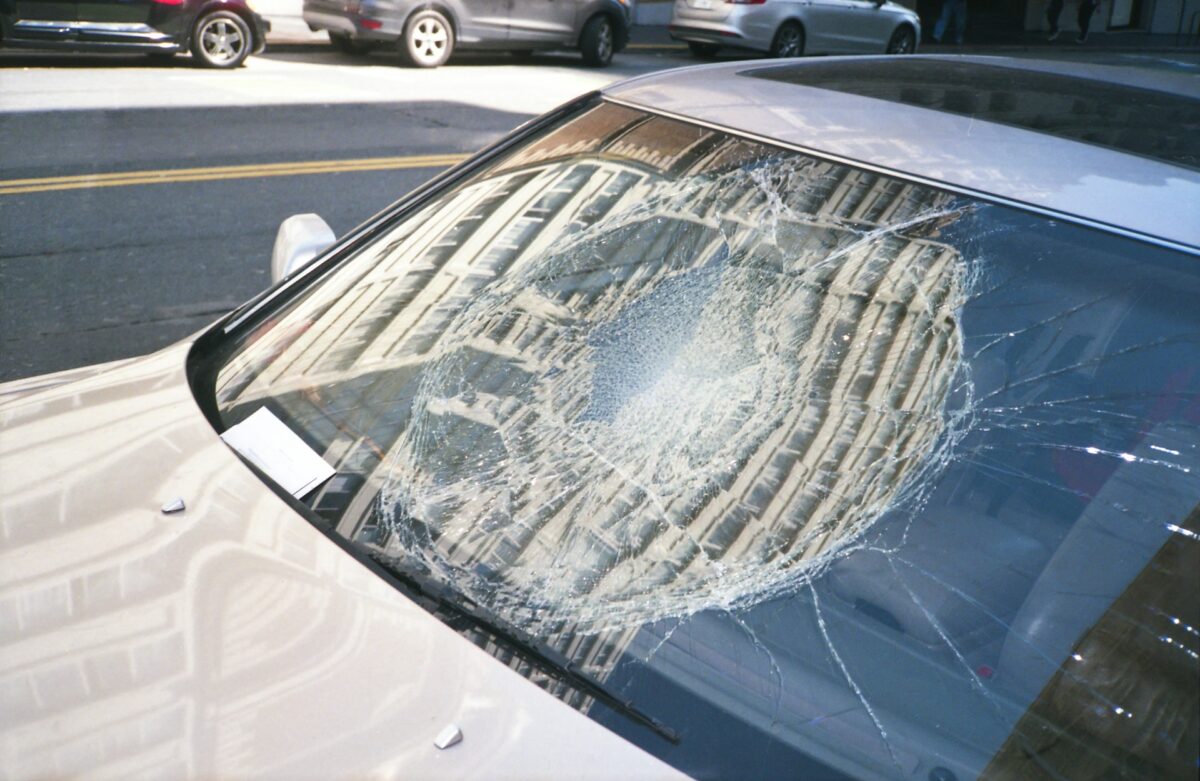

Driving in Boston as a visitor is its own discipline.
The rotaries resolve by convention rather than signage, the lane markings are suggestions in several neighborhoods, and the car you are driving is unfamiliar.
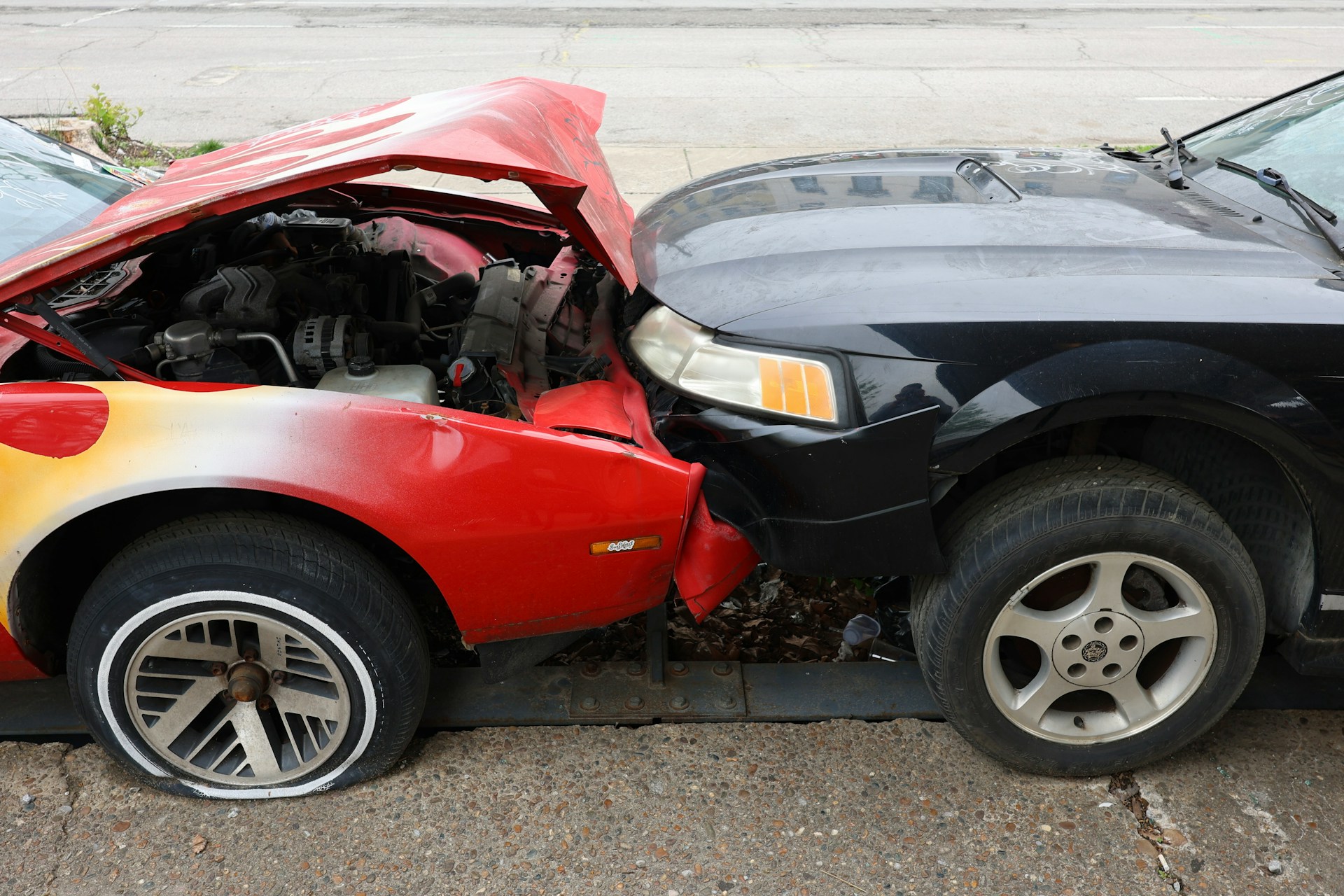
A minor collision in that situation is unremarkable.
What follows it is not, because Massachusetts handles the aftermath differently from most places a visitor is likely to have driven, and the differences arrive in the first few days.
Massachusetts Requires a Report You Have Probably Never Filed
Five days, in writing, to the registrar
This catches almost every out-of-state driver. Under the state’s accident reporting statute, any operator involved in a crash in which a person is killed or injured, or in which there is damage over one thousand dollars to any one vehicle or other property, must report in writing to the registrar within five days and send a copy to the police department with jurisdiction where it happened.
The threshold is low and the duty is yours
One thousand dollars of damage is a bumper and a sensor on a modern car. The obligation sits on the operator, not on the rental company, not on the insurer and not on the officer who attended. Visitors routinely fly home believing the matter concluded at the scene, and the report never gets filed.
Why the missing report costs you later
The report is frequently the only document stating your version while it was fresh. Without it, the file contains the other driver’s account, the police narrative if an officer attended, and nothing from you.
Whose Insurance Actually Responds
Coverage attaches to the vehicle
Massachusetts requires registered vehicles to carry compulsory coverage, and the framework for a motor vehicle liability policy is built around the vehicle rather than the driver. For a visitor, the first layer of medical coverage generally runs through the policy on the car being driven, which means the rental company’s coverage rather than the policy sitting at home.
Your own policy may still matter
Many personal auto policies extend to rental vehicles, and some credit cards provide damage coverage for the car itself while providing nothing for injuries. These stack in an order that is rarely obvious, and the rental counter is not where it gets sorted out.
According to personal injury lawyer Nicholas R. Thompson, Principal and Managing Partner at RTRLAW, visitors tend to lose ground in the first week rather than at the end, because they leave the state before the reporting obligation is met and before anyone identifies which of three or four possible policies is actually responding. People in that position often contact a Boston collision attorney once they realize the claim is being handled in a state they no longer live in.
The waiver you declined is now a conversation
Declining the rental company’s damage waiver is usually a sound financial decision and occasionally an expensive one. If you declined it, the rental company will pursue you directly for the vehicle, on a separate track from any injury claim, and often faster.
What to Do Before You Leave the State
Photograph the plate and the rental agreement together
The rental agreement names the entity that owns the vehicle, which is not always the brand on the building. Photograph the agreement, the plate, the odometer and the fuel gauge alongside the damage. Disputes about which rental unit was involved are tediously common.
Get the police report number, not just the officer’s name
Massachusetts departments release reports through specific channels, and the number is what makes a remote request possible. Requesting one from two thousand miles away without it is a project.
Identify witnesses as out-of-state too
A visitor’s witnesses are often other visitors who leave the same week. Collect a mobile number and an email rather than an address, because the address may be a hotel.
Seek care before you fly
Attributing a neck injury to a crash becomes harder once a flight sits between the collision and the first medical note. A same-day urgent care visit in Boston is worth more to the claim than a visit to your own doctor three days later at home.
Handling a Claim From Another State
Distance is a scheduling problem, not a barrier
Treatment continues at home, records are requested remotely, and nothing about living elsewhere prevents a Massachusetts claim from proceeding. What distance does affect is momentum, since each exchange takes longer.
Keep everything in one place from day one
The rental agreement, the crash report, the police report number, the photographs and every message with the rental company and the insurers belong in a single folder created the week it happens, not reconstructed from four accounts six months later.
Expect the rental company and the insurer to move at different speeds
The damage claim on the vehicle tends to arrive quickly, sometimes within days, while the injury side moves slowly. Those two tracks are not connected, and resolving the first does not settle the second. Signing a release to close out the vehicle damage without reading what it covers is the error that most often forecloses a claim a visitor did not yet know they had.