






If a hose behind your washing machine starts leaking while you’re at work, the appeal of a connected water sensor is pretty obvious. An alert gives you a chance to respond before you come home to a damaged floor. You don’t have to be particularly interested in technology to see the point.
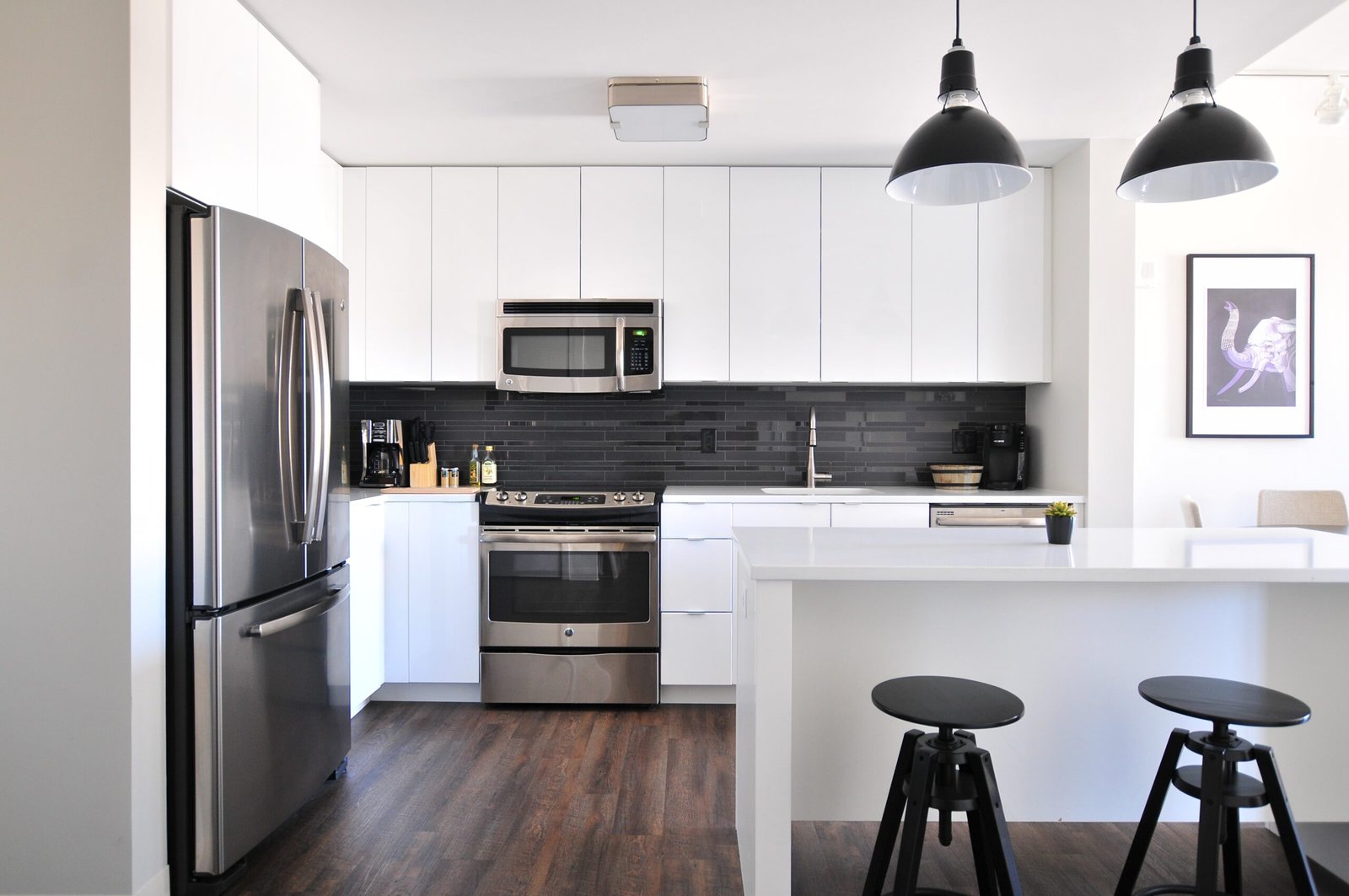
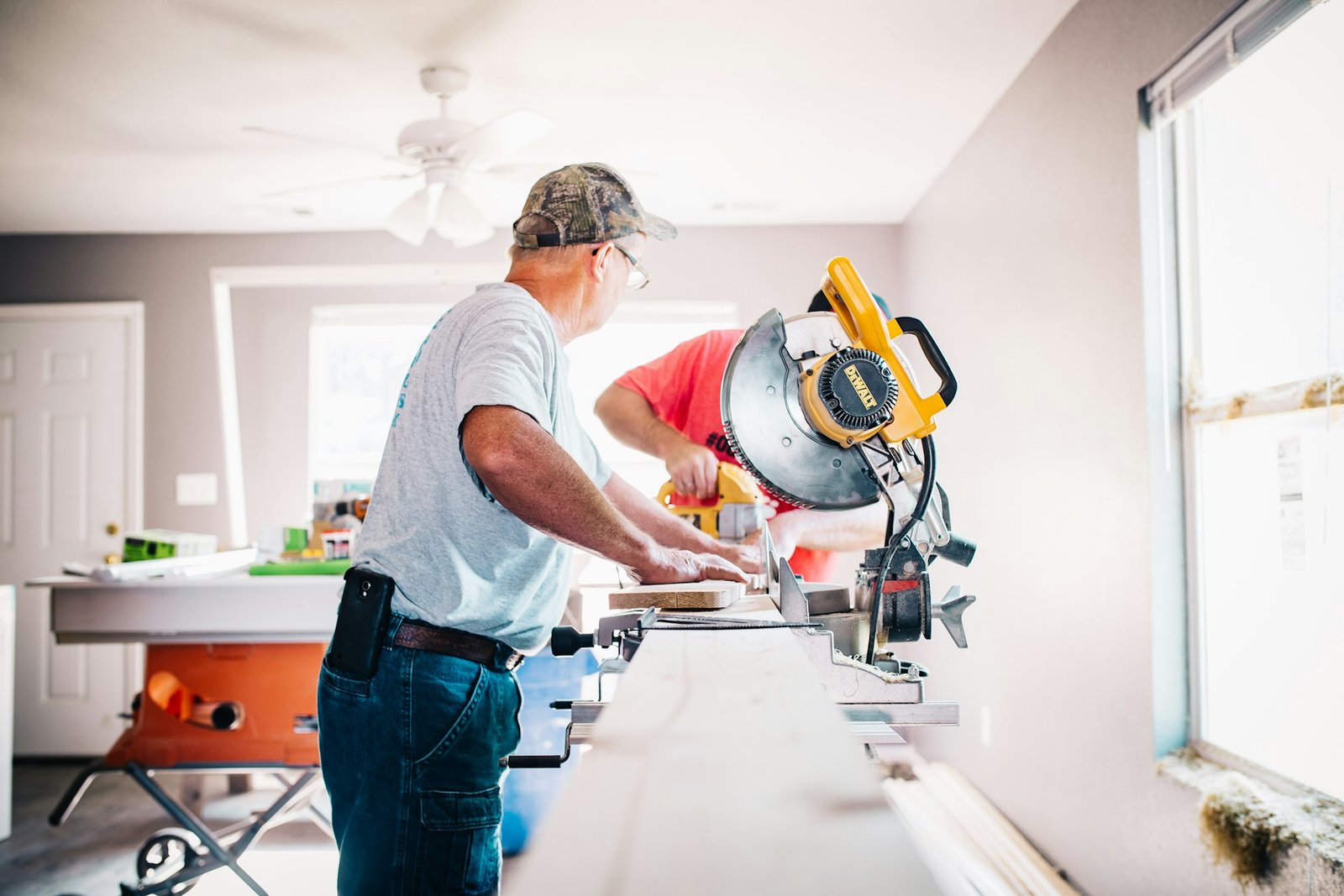
That’s a useful starting position for choosing smart home upgrades. What would you like the house to do better? The answer gives you somewhere to put your money, instead of buying devices and hoping they’ll turn out to be useful. Some projects need other work first. If you’re renovating a kitchen and adding a gas range, for example, gas line plumbers in Palm Springs can assess the planned connection. Leave room in the budget for that installation. A new appliance’s connected features won’t make up for problems with the pipework supplying it.
Start with the problems you’d rather catch early
Let’s continue with the washing machine example. You buy a sensor, put it where escaping water would reach it and connect the alerts to your phone. Then it goes off during a meeting, forty minutes from home. What happens next?
Perhaps someone else in the household can get there or a trusted neighbor can help. But if nobody is there to respond quickly, an alert alone can’t do much. A suitable automatic shutoff system could be worth considering for such a scenario. These devices can monitor water flow and close the supply when they detect a suspected leak.
That is a bigger installation, and it needs a plumber’s assessment, though, particularly where the supply also serves fire sprinklers. It may be more than your home needs. The point is to work out how a warning would lead to action before spending money on it.
The same thinking applies to fire protection. Connected smoke and carbon monoxide alarms can notify you while you’re away, but people inside still need to hear the alarms. Placement and backup power remain essential. The phone notification adds another way to learn about a problem, but the warning in the house has to work whether anyone checks their phone or not.
Spend on the things you’ll notice every day
Once the safety basics are covered, look at the small annoyances you’ve learned to live with, like coming home to a dark entrance, for example. Something as simple as a light on a sensible schedule can solve that. If your hands are usually full, a compatible motion-controlled light might make more sense.
In other words, you don’t need to automate the whole downstairs to improve those few minutes of your evening. Choose the upgrade around a specific problem.
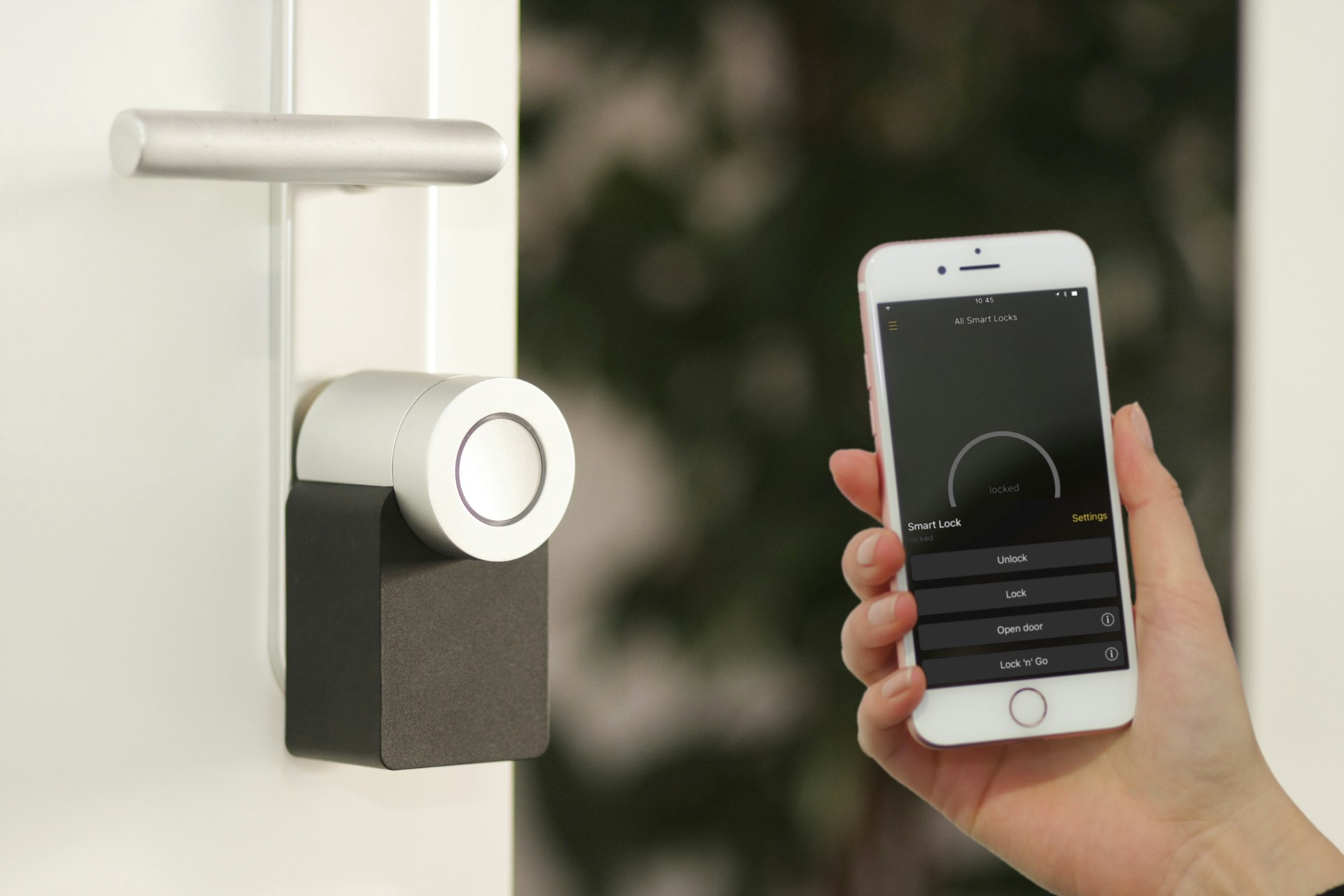
Your entrance lightning may be fine, and instead you struggle with getting a spare key to a dog walker. In that case, a lock that supports temporary codes would be a better use of your money. Check the low-battery access procedure before buying, though, so a dead battery doesn’t leave anybody stuck outside.

What if your biggest frustration is indoors?
A thermostat following an old work schedule could be cooling an empty house all afternoon. Sometimes, updating the existing schedule is enough, but if your hours change frequently, a compatible smart model could make it easier to adjust the temperature when plans change.
ENERGY STAR certified smart thermostats save approximately 8% on heating and cooling bills on average, though your result depends on the specific equipment and how you use it, of course. Check compatibility first, and keep the controls straightforward enough that everyone at home can make an adjustment.
If lower bills are your main reason for buying, compare the installed cost with your current heating and cooling spend. Think about how long you plan to stay, too. You want enough time to enjoy the savings before paying to equip another home.
Start with one of these everyday frustrations and see whether the upgrade actually helps. That gives you a better basis for the next purchase than deciding every room needs something connected.
Give a future buyer something worth keeping
All the improvements mentioned above can make a home more appealing, but be careful about considering it a surefire return.
What can help, however, is making the benefit obvious. For the buyer, a well-lit entrance or a heating schedule they can change at the wall should be easy to understand. A complicated setup that needs your personal account and a long explanation is a harder sell.
If you’re dreaming bigger about where you’ll live next, think about what you’d want to inherit. You would probably want to know how to use the house as soon as you’ve moved in and whether there are any subscription fees. Keep the installation records and operating instructions, and check the manufacturer’s account-transfer or reset process before a sale, while making ongoing costs clear. Those details help the next owner see a working feature they can keep using.
Buy the upgrades that earn their place while you live there. When it’s time to move, you’ll have something useful to show for the money you spent.