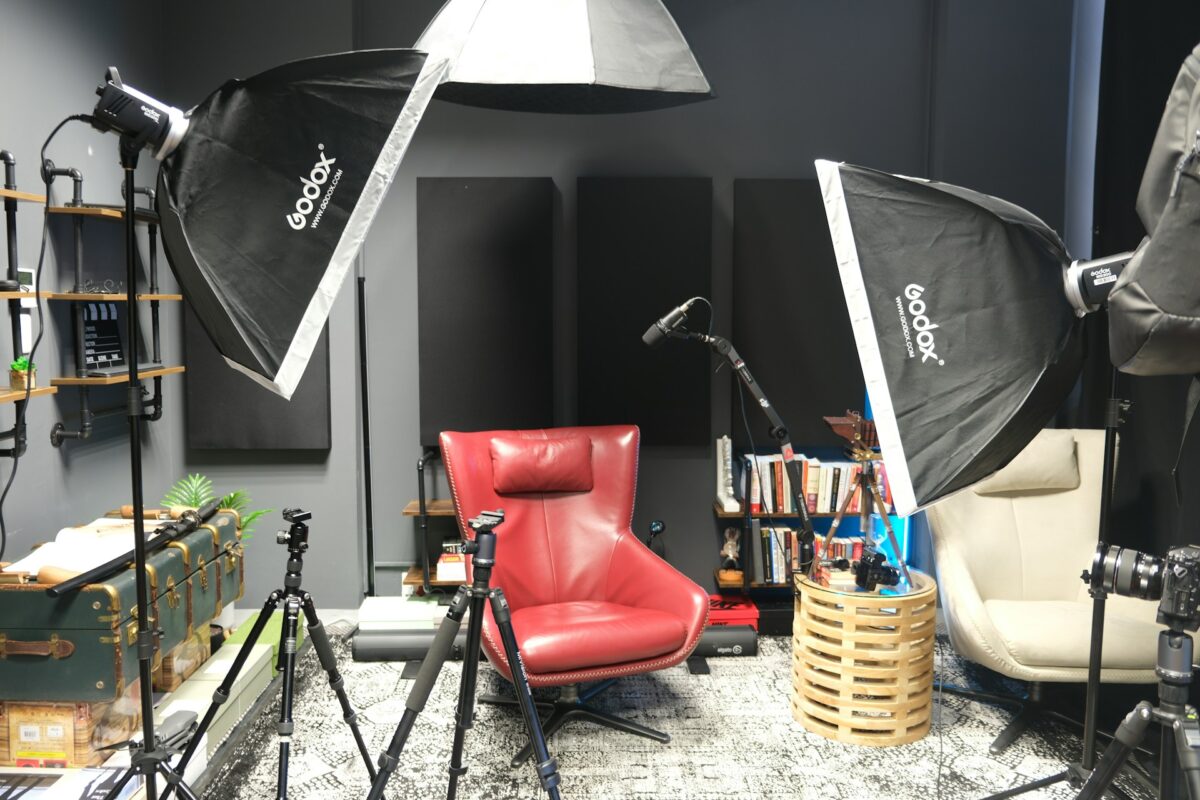

Independent creators can now take professional production facilities directly to clients, locations, and events. A well-designed vehicle can support photography, video editing, podcast recording, and digital design without tying a small team to a permanent studio lease. These mobile creative studios offer unparalleled flexibility, allowing professionals to pursue their passions from virtually any location while maintaining high productivity and comfort.
This mobile model gives producers more control over where they work, but it also adds practical responsibilities. Power, connectivity, equipment storage, vehicle cover, and daily expenses all affect the viability of a mobile creative studio. The strongest setups treat the vehicle as both a workspace and a business asset from the start.
The Rise of Creative Nomads
The growth of small independent studios reflects a broader shift in how creative services are organized. Compact teams can now manage work that once required separate production, editing and distribution departments. Lightweight cameras, portable lighting and cloud-based collaboration tools have made location-independent production far more practical.
A mobile studio extends that flexibility. A photographer can review images with a client immediately after a location shoot, while a video team can back up footage and create an early edit before leaving the site. Podcasters can record interviews at conferences without relying on noisy public rooms or unfamiliar local facilities.
This model also suits creators who serve several regions. One vehicle can support a week of assignments across multiple cities while keeping the team’s core equipment organized in a consistent workspace. Still, constant movement won’t solve unclear positioning or an unreliable client pipeline. The vehicle should support an established service, audience, or production plan.
Independent producers also face familiar pressures, including limited budgets, tight schedules, and shifting distribution demands. Accounts from independent filmmakers show why flexibility alone doesn’t remove the commercial challenges behind creative work.
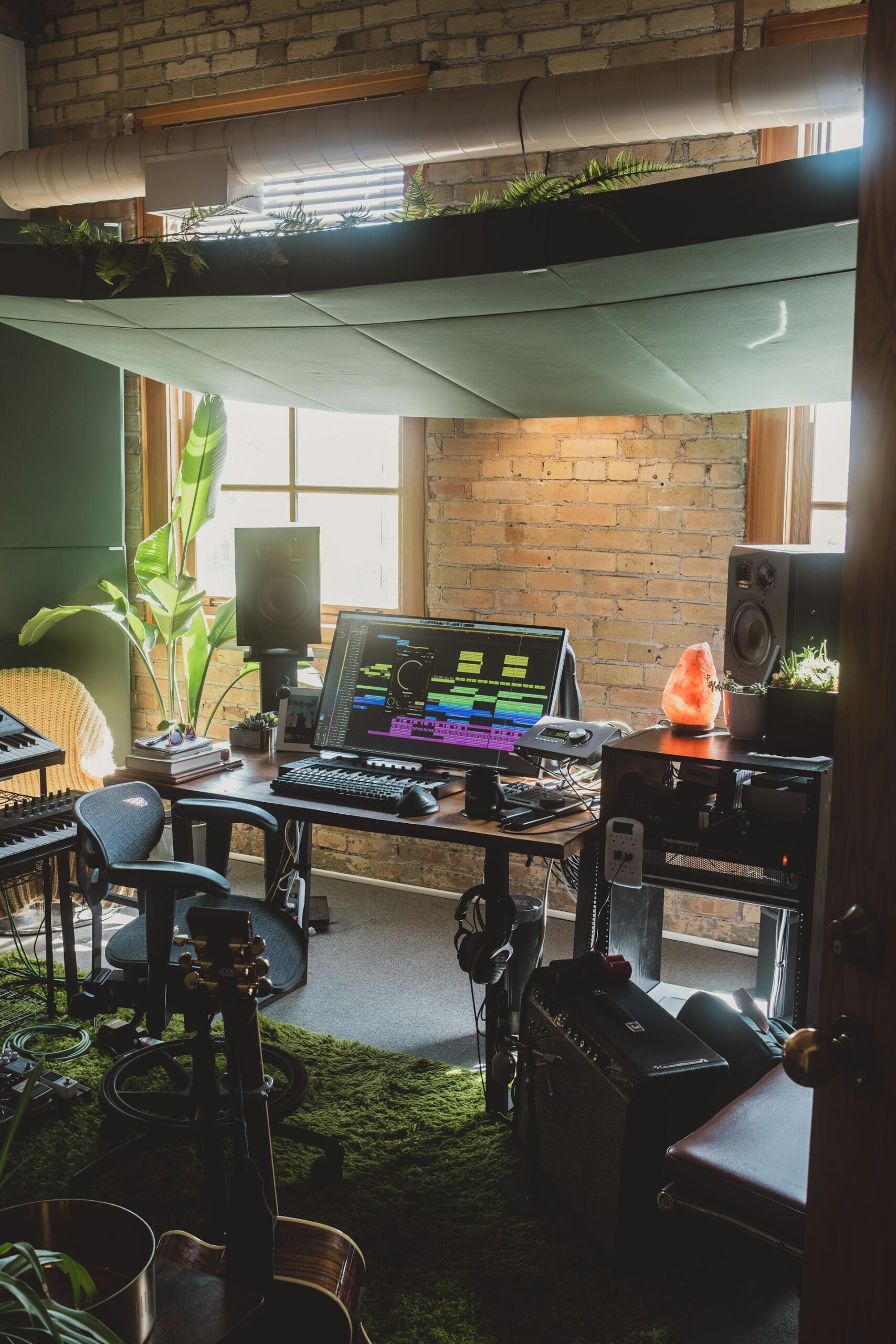
Mobility works best when it serves a specific purpose. Define the jobs the studio will handle, the number of people it must accommodate, and the longest period it needs to operate away from a fixed base. Creators building toward that model may also find this guide useful, especially when turning a broad ambition into repeatable daily action.
Equipping Vehicles for Studio Work
Start with workflow, then choose equipment. A mobile editing suite needs a stable desk, an adjustable chair and controlled lighting. A photography support vehicle may need open floor space, charging points and separate storage for stands, backdrops and cases. Audio work demands attention to ventilation noise, soft interior surfaces and the distance between recording positions and mechanical systems.
Power requirements deserve careful calculation. List every laptop, monitor, light, storage drive, and charger, then record its wattage and likely daily runtime. Leave capacity for startup surges and future additions. Batteries, solar panels, and external power connections can all contribute, but qualified professionals should handle installation and ensure it complies with applicable vehicle and electrical standards.
Purpose-built products such as this off-grid creative studio illustrate how power generation, climate control and production equipment can be integrated into one mobile environment. Most independent teams won’t need that scale, though the underlying design lessons still apply.
Review insurance before the first paid trip. Vehicle cover and equipment cover may be separate, and standard policies can include conditions around business use or modifications. UK drivers comparing vehicle policies can get reliable car insurance today, then confirm directly that the selected policy fits how the vehicle will be used. Disclose permanent changes such as added electrical systems, fixed furniture, or roof installations. Keep written records of those conversations so the production team knows exactly what has been declared and covered.
Safeguarding Equipment and Transit
A mobile studio concentrates valuable tools in one place, so storage must protect equipment during travel and stops. Use fixed cabinets, padded dividers, and rated tie-down points. Heavy cases should sit low and close to the vehicle’s center, which helps limit movement and avoids creating an unstable load.
Test the interior under real driving conditions before accepting client work. Load the vehicle as you would on a normal production day, drive over several road surfaces, and listen for movement. A case that shifts a few inches during a slow test could cause expensive damage during sudden braking. After the drive, inspect mounts, latches, and cable routes.
Security also depends on daily habits. Keep high-value equipment out of sight, park in well-lit areas, and avoid leaving the vehicle loaded longer than necessary. Use an inventory with serial numbers, purchase receipts, and current photographs. Store a copy online so it remains accessible if the local record disappears with the equipment.
Digital material needs equal care. Maintain at least three copies of important files, with two stored on different media and one held in another location. During a multi-day shoot, that might mean the original memory cards, an encrypted solid-state drive inside the studio, and a cloud backup uploaded through a secure connection. Never depend on public Wi-Fi for sensitive transfers without appropriate protection.
Create a departure checklist covering doors, drawers, roof fittings, power cables, and loose items. Assign one person to complete it and another to verify the critical points. That simple two-person check can prevent a rushed departure from damaging equipment or delaying the next booking.
Managing Daily Operational Costs
A mobile studio can reduce rent, yet its finances still need close attention. Fuel or charging, parking, maintenance, connectivity, software, cleaning and equipment replacement all belong in the operating budget. Irregular expenses can be especially disruptive because they tend to arrive together after a busy production period.

Calculate a realistic cost per working day. Begin with annual fixed expenses such as insurance, software subscriptions, and scheduled servicing, then divide that total by the number of billable days you expect. Add direct costs for each assignment, including travel, site access, accommodation when required, and assistant fees. This figure sets the minimum each booking must contribute before you consider creative labor and profit. For example, suppose fixed expenses total $12,000 a year, and the studio completes 120 billable days. That creates a fixed daily cost of $100 before travel or staffing. If a particular assignment adds $90 in transportation and site expenses, the first $190 of revenue covers operations. The quote must still account for preproduction, shooting, editing, and the value delivered to the client.
Track actual spending by project instead of relying on monthly bank totals. A simple spreadsheet can record distance, energy use, parking, supplies, and maintenance allowances for every booking. After 10 to 15 jobs, patterns should become clearer. You may find that short urban assignments create higher parking costs, while remote projects use more power and require longer setup periods.
Set aside money for maintenance after every paid job. Treat tires, batteries, and electrical inspections as predictable costs with uncertain dates. A reserve fund keeps one repair from consuming the budget allocated to an upcoming production. The most useful mobile studio is one that remains ready for work. When every case has a secure position, every device has a power plan, and every booking contributes to maintenance, the vehicle becomes a dependable part of the creative process instead of another source of production delays.