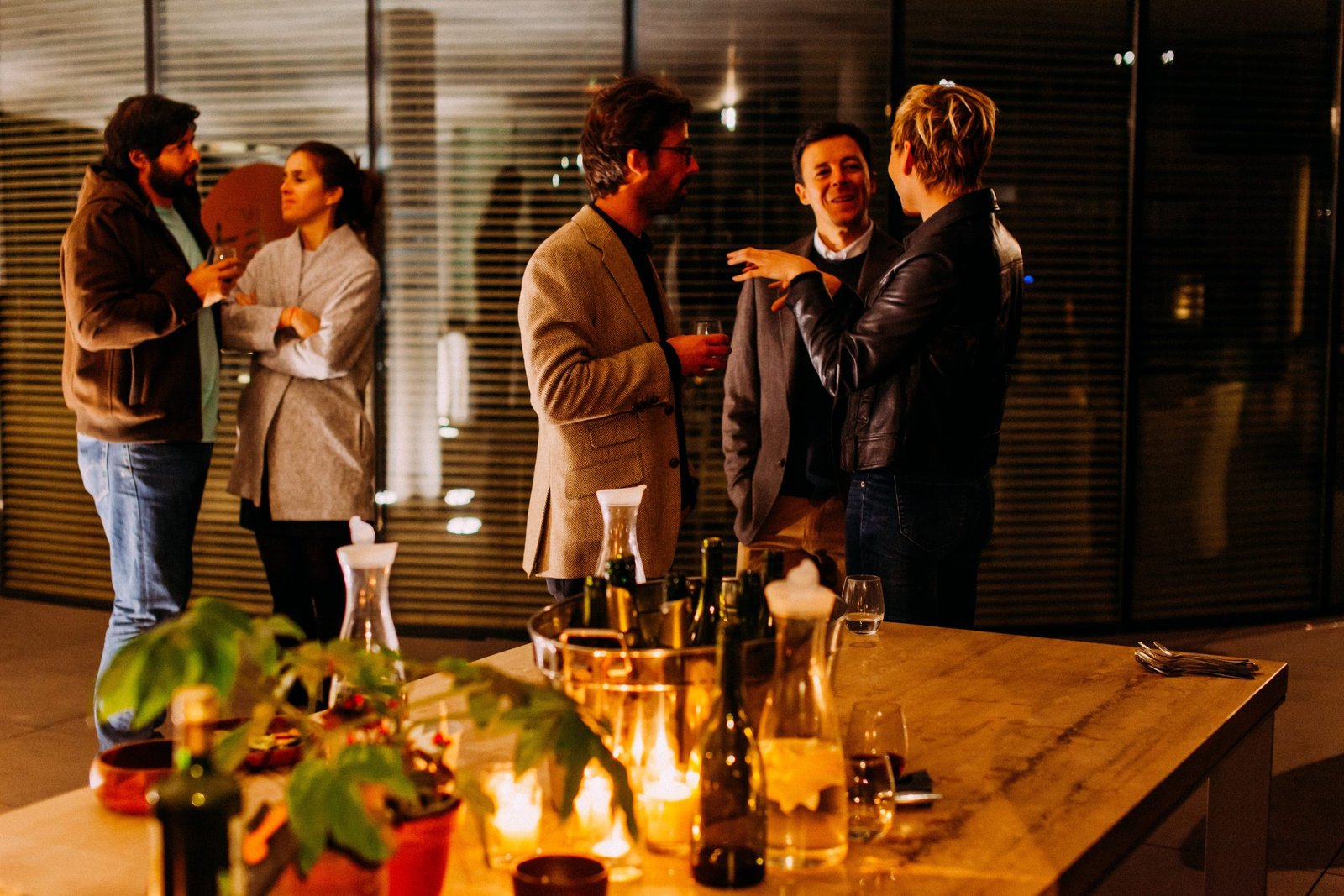

The relationship between work and leisure has changed dramatically over time. Before, the two were easier to keep separate. People typically left home to work and came back when the day was done. Evenings and weekends were also more clearly associated with rest, family time, and personal interests.
Today, that boundary is far less clear. Technology and new ways of working have changed how people organize their days. At the same time, attitudes toward rest and well-being have shifted, making the line between work and leisure much less defined. In some ways, workers have more freedom than ever. In others, work has become harder to leave behind.
To understand this shift better, let’s explore six of the biggest ways the relationship between work and leisure has changed.
Remote Work Blurred the Line Between Work and Home
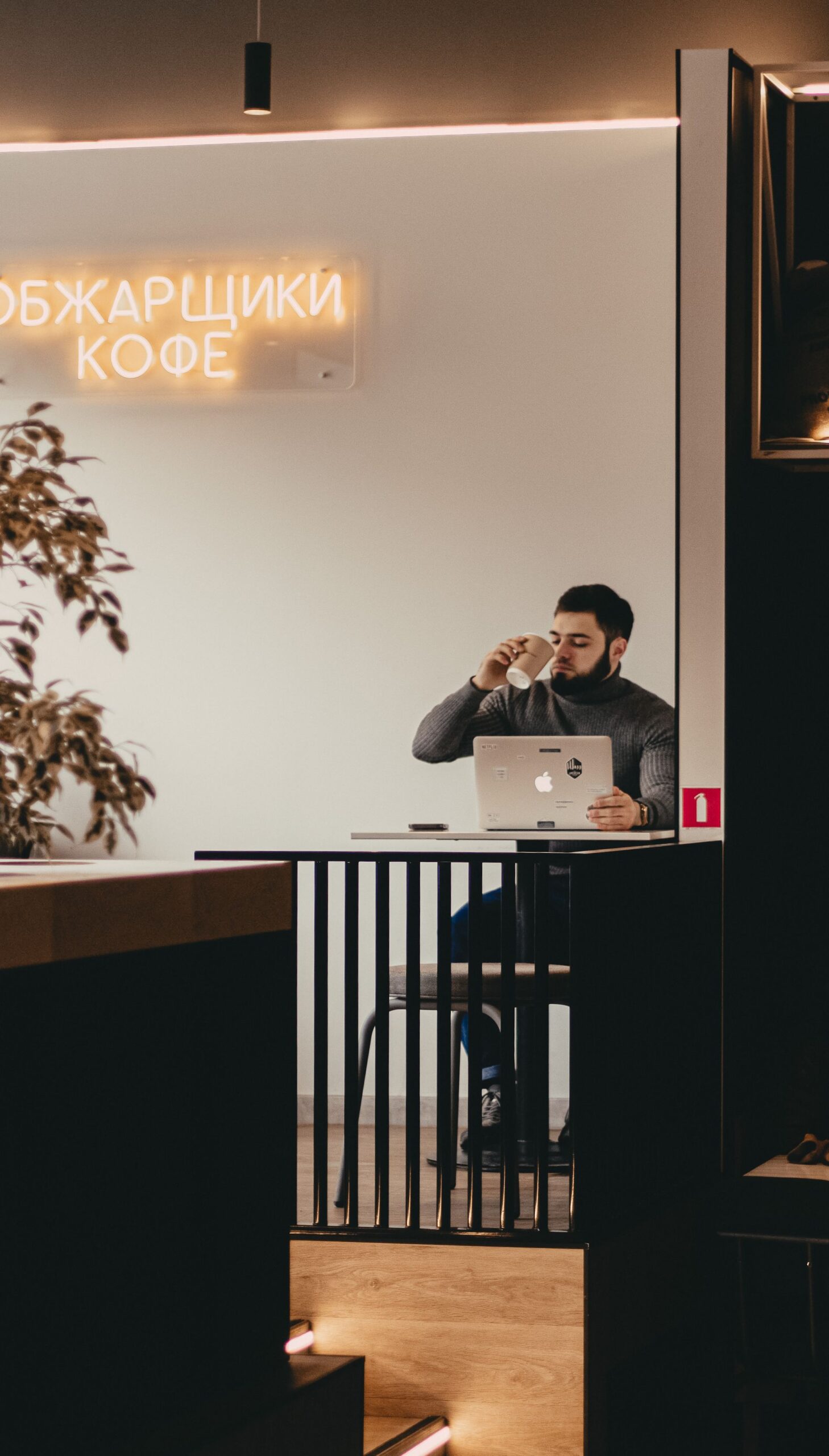
One of the biggest changes has been the rise of remote and hybrid work. For many employees, the home is no longer simply a place to relax after work. It may also contain a work setup and other reminders of professional responsibilities.
This arrangement can offer major benefits. Workers may save time by avoiding commuting to and from the workplace and enjoying greater control over their daily routines.
However, working from home can also make it harder to mentally “leave” work. When the office is only a few steps away, some people may find themselves checking messages or returning to their computers long after the workday was supposed to end.
Leisure Became More Digital
Leisure itself has become far more digital and varied. Streaming services, social media, and other platforms give people countless ways to unwind, with options suited to different interests, moods, and amounts of free time.
Gaming is a good example of how broad those choices have become. Someone looking for a calm way to relax after work might choose a simple puzzle game, while players who prefer a challenge may gravitate toward strategy-based games featuring quests and multiple levels to complete. Others may prefer fast-paced forms of entertainment that can fit into a short break, including online casino games.
Even within casino gaming, there is considerable variety. Platforms and developers offer numerous titles with different mechanics and styles of play. Those interested in seeing the range available can explore JILI games, for example, where different titles offer a variety of formats and themes.
This enormous variety illustrates a broader shift in leisure. People can now find digital entertainment for almost any preference and access it almost instantly. At the same time, because many of these activities take place on the same devices used for work, the physical transition between professional time and leisure can feel increasingly small.
Flexible Schedules Changed When People Work and Relax
Traditional working hours are also becoming less rigid in some industries. Instead of following the same fixed schedule every day, workers may be able to adjust their hours around personal commitments.
This can create more opportunities for leisure. Someone might go to the gym in the morning or handle family responsibilities during the afternoon before completing work later in the day.
At the same time, flexibility can make the distinction between working hours and personal time less predictable. Rather than having a clearly defined evening or weekend, some workers may spread professional tasks throughout the day.
Technology Has Made Workers More Reachable During Free Time
Smartphones and workplace communication tools have made it possible to stay connected almost anywhere. Employees can respond to messages while traveling or join a meeting remotely. This convenience has transformed modern work, but it has also changed leisure.
In the past, leaving the workplace often meant becoming temporarily unreachable. Today, a work notification can arrive during dinner, on a weekend, or even while someone is on vacation.
Even when employees are not required to respond, seeing a message can pull their attention back toward work. This means leisure is increasingly affected not only by actual working hours but also by the feeling of being constantly connected.

Work-Life Balance Has Become a Bigger Priority
Another major change is the growing attention given to work-life balance. Many people are increasingly aware of stress, mental health, and the importance of rest. As a result, leisure is often viewed as more than simply “time off.” It can be an important part of maintaining physical health and long-term productivity.
This shift has encouraged some workers to set clearer boundaries, regularly schedule time for hobbies, and avoid answering non-urgent work messages after hours.
Employers have also become more aware that constantly overworked employees may eventually become less productive, less engaged, or more likely to leave.
Side Hustles Have Turned Leisure Activities into Income Streams
The rise of side hustles has created another major change in the relationship between work and free time.
Activities that once might have been treated entirely as hobbies can now become sources of income. For instance, someone who enjoys photography might sell images online. A person who enjoys crafting might open an online store, while a writer might freelance outside their regular job. This kind of opportunity can be rewarding, especially when people earn money from something they genuinely enjoy.
However, turning a hobby into a business can also change how it feels. Once deadlines or performance expectations become involved, an activity that once provided relaxation may begin to feel like another form of work.
Making Space for Life Beyond Work
As work becomes more flexible, protecting personal time becomes more important. The challenge now is to create clearer boundaries and make leisure feel like genuine time away from work. That may mean making space for hobbies or simply allowing time to rest without feeling the need to be productive. In a world where work can follow people almost anywhere, learning how to disconnect may be one of the most important skills of all.