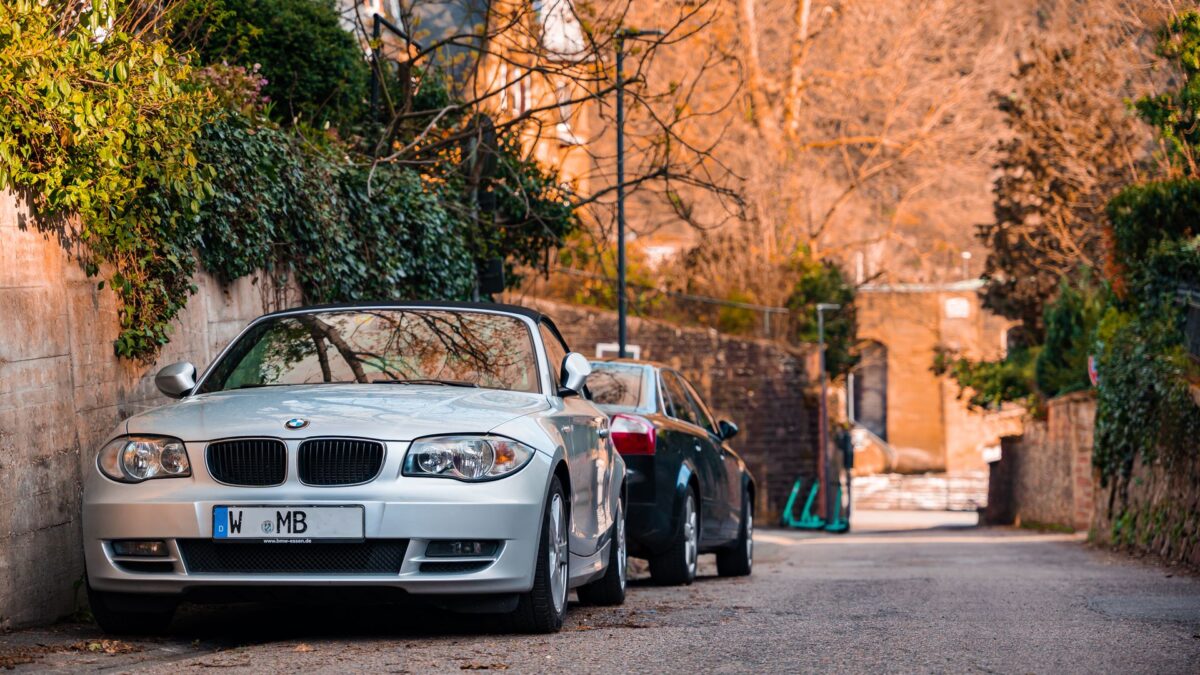

A second vehicle can be useful when multiple people in a household have different schedules, but it can also become an expensive driveway fixture once it stops being driven regularly. Houston families can reduce those costs by reviewing what they actually spend on insurance, registration, maintenance, repairs, and depreciation, then deciding whether keeping the extra car still makes financial sense.
That decision can be easy to postpone. A car that is already paid off may feel inexpensive because it has no monthly loan payment attached. The real cost often shows up in smaller expenses spread throughout the year, making the total harder to notice.
Compare Houston Selling Options
Houston families have several ways to move on from an unnecessary vehicle. Private sales can sometimes bring a higher price, but they may require cleaning the car, creating listings, answering messages, arranging meetings, and negotiating with buyers.
Trade-ins can be convenient when another vehicle purchase is already planned, although they may not make sense for a family simply trying to eliminate an extra car.
Older, damaged, or non-running vehicles can be harder to sell through the usual channels. In that situation, Houston families may want to compare local vehicle buying services such as Cash for Cars with private listings and dealership offers to see which option makes the most sense for the car’s condition.
The right method will depend on the vehicle’s value, how quickly the family wants it gone, and how much time they want to spend managing the sale.

Start With the Cost of Insurance
Insurance is one of the most obvious ongoing expenses attached to a second vehicle. Even a car that spends most of its time parked generally needs coverage if it remains registered and available for regular use.
Costs can vary based on the vehicle, coverage levels, driving history, and household circumstances. Families may be able to lower their premium if the extra car is driven very little, but the savings do not always make keeping it worthwhile.
Review the policy and compare the annual insurance cost with how often the car was used over the past year. A vehicle that leaves the driveway only a few times each month may cost far more per trip than expected.
Registration Costs Continue Even When the Car Sits
Registration is another expense that can disappear into the household budget because it normally comes around only once a year. It may not feel substantial on its own, but it still adds to the cost of keeping a vehicle that rarely moves.
Inspection-related expenses, administrative costs, and other requirements can also add up.
Families should look at these costs together, not individually. A few smaller annual expenses can become much more noticeable when combined with insurance and routine maintenance.
Rarely Used Cars Still Need Maintenance
Parking a vehicle does not stop it from aging. In some cases, a car that sits for long periods can develop its own maintenance problems.
Batteries can lose their charge. Tires can gradually lose pressure. Fluids can deteriorate, and rubber components may age even when mileage barely changes. Houston heat can also take a toll on batteries, interiors, seals, and other vehicle components.
Owners may still need oil changes, tire service, fluid checks, battery replacement, air conditioning work, or other maintenance even when the odometer is barely moving.
Calculate the Annual Cost Before Making the Decision
A useful way to decide is to calculate what the second vehicle costs over an entire year.
Include insurance, registration, routine maintenance, repairs, parking expenses if applicable, and any financing payments that remain. Depreciation should also be part of the bigger financial picture even though it does not come directly out of the checking account each month.
Then compare that amount with how much you actually use the car.
The result can be surprising. An extra vehicle that seems to cost very little month to month can consume a meaningful share of the family budget over a year.
Make the Extra Vehicle Earn Its Place
Keeping a second car is not automatically a bad financial decision. The question is whether the vehicle still provides enough value to justify what the household spends on it.