

A driver can carry automobile insurance and still have too little liability coverage to address the losses caused by a serious collision. Hospital treatment, rehabilitation, lost income, and other injury-related losses can continue long after the at-fault driver’s available insurance reaches its limit.
That is where underinsured motorist coverage, commonly called UIM, may become relevant. The California Department of Insurance explains that UIM provides bodily injury protection when an at-fault driver has insurance but does not have enough coverage to pay for the resulting damage. California insurers must offer uninsured/underinsured motorist coverage, although a policyholder can reject the coverage in writing.
The At-Fault Driver’s Policy Has a Maximum Payout
Liability insurance does not provide unlimited compensation. Every policy has limits that cap how much the insurer will pay for covered bodily injury.
California’s minimum liability requirements increased on January 1, 2025. Standard auto policies now carry minimum bodily injury limits of $30,000 for injury or death to one person and $60,000 total when two or more people are injured in one accident. The minimum property-damage limit is $15,000.
Those are minimum requirements, not estimates of what a serious injury costs. A driver may carry higher limits, but when only minimum or relatively low coverage is available, the liability policy can be exhausted before all injury-related losses are addressed.
The California Department of Insurance also explains that when a driver causes losses exceeding the purchased liability limit, the driver remains responsible for damage beyond what the policy pays. Whether additional money can actually be recovered from that individual is a separate question from the amount of insurance available.
UIM Coverage Can Add Another Insurance Source
A trusted car accident lawyer in Burbank may review both the at-fault driver’s liability policy and the injured person’s own automobile policy when the available liability limits appear insufficient.
California’s Department of Insurance describes underinsured motorist coverage as protection for bodily injury when another driver does not have enough insurance to cover the damage. Uninsured and underinsured motorist protection is offered together, and a policyholder who does not want the coverage must sign a waiver rejecting it.
California Insurance Code § 11580.2 governs uninsured and underinsured motorist coverage. Under that statute, a vehicle is considered underinsured for this purpose when its liability coverage is lower than the injured insured’s applicable uninsured motorist limits.
This means UIM is not simply an extra payment automatically available after every severe collision. The policy limits and the other driver’s coverage must first be identified and compared.

UIM Does Not Simply Stack on Top of the Other Policy
One of the most significant features of California UIM coverage is how its limits interact with money received from the responsible driver.
California Insurance Code § 11580.2 provides that the UIM carrier’s maximum liability is reduced by amounts paid by or on behalf of people or organizations legally responsible for the injury. The statute also generally prevents multiple UM/UIM policy limits from simply being added together to increase the available limit.
Consider the structure rather than assuming two insurance limits can always be combined. The relevant questions include:
- What bodily injury limits did the responsible driver carry?
- What UIM limit appears on the injured person’s policy?
- How much has already been paid by responsible parties?
- Does the policy cover the injured person in the circumstances of the crash?
- Are other potentially responsible parties or policies involved?
The answers determine whether UIM can provide additional coverage and how much may remain available.
The Liability Coverage Generally Comes First
California’s UIM statute also addresses when the coverage becomes available. Under Insurance Code § 11580.2, UIM bodily injury coverage does not apply until the applicable bodily injury liability limits for the insured vehicles causing the injury have been exhausted through settlements or judgments and proof of payment has been provided to the UIM insurer.
That sequence makes the at-fault driver’s insurance information particularly important.
A claim may begin with identifying the liability carrier, confirming its policy limits, documenting the injured person’s losses, and determining whether those limits are likely to be exhausted. Only then can the role of the injured person’s UIM coverage be evaluated fully.
This is different from treating UIM as the first insurer responsible for medical expenses immediately after a crash. Other coverage, including health insurance or optional Medical Payments coverage, may address certain medical expenses earlier while liability and UIM issues are still being investigated.
Serious Injuries Make Coverage Limits More Significant
The difference between the value of an injury claim and the amount of available insurance becomes more consequential when the harm is substantial.
California’s personal injury guidance recognizes medical bills, lost wages, ongoing treatment, emotional harm, and future injury-related problems as losses that may be relevant in a personal injury matter. A serious collision can therefore involve more than the cost of the initial emergency visit.
An injured person may have continuing specialist care, rehabilitation, time away from employment, or longer-term limitations. The amount of compensation legally supported by those losses and the amount of insurance available to pay them are separate questions.
UIM coverage matters because it can provide another source of insurance when the responsible driver’s policy falls short, subject to the terms and limits of the injured person’s policy and California law.
The Policy Documents Matter as Much as the Coverage Name
Knowing that a person purchased “full coverage” does not answer whether UIM protection is available or at what limit.
The California Department of Insurance advises consumers to review their declarations page and policy documents because they identify the specific coverages and limits purchased. Its consumer guide also notes that uninsured/underinsured motorist protection must be offered but can be declined.
After a serious collision, useful insurance documents can include:
- The declarations page
- UM/UIM coverage limits
- Any signed rejection or coverage-selection forms
- Policy endorsements
- Correspondence with the insurer
- Information confirming the at-fault driver’s liability limits
- Records of payments made under the liability claim
These documents can clarify whether UIM exists and what restrictions or limits apply.
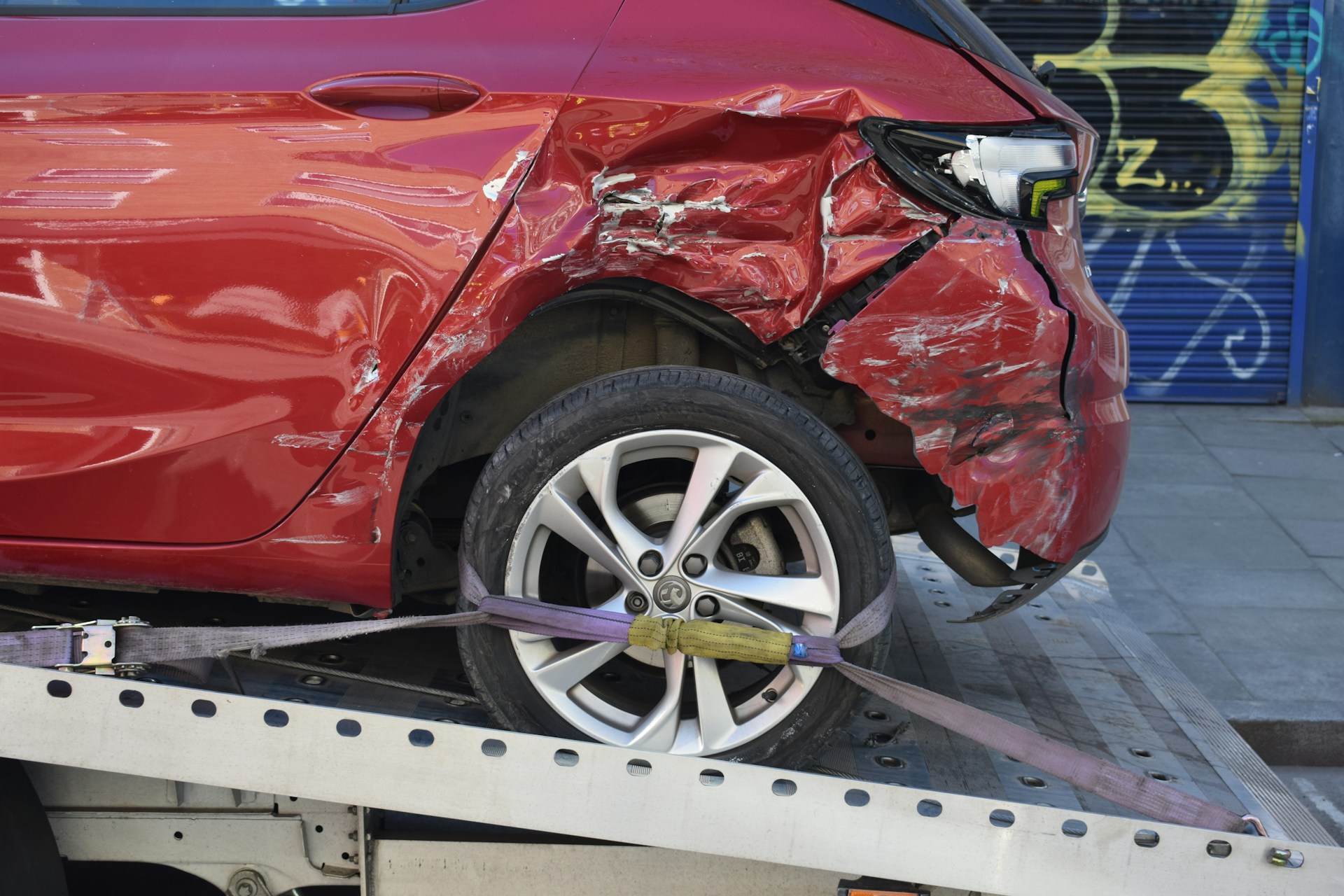
Available Insurance Can Shape the Financial Side of a Claim
Underinsured motorist coverage does not change who caused the collision. It changes the potential insurance resources available when the responsible driver’s liability protection is inadequate.
For that reason, evaluating a serious collision involves more than identifying the at-fault carrier. The injured person’s own policy may also need to be reviewed, particularly when medical treatment, lost income, and other documented losses approach or exceed the other driver’s available insurance.
California’s current minimum liability limits provide more protection than the limits that applied before 2025, but minimum coverage can still represent only one part of the financial picture after a major injury.
The practical question is therefore not simply whether the other driver had insurance. It is whether that insurance is sufficient for the documented losses and, if not, whether valid UIM coverage provides an additional source of recovery.