




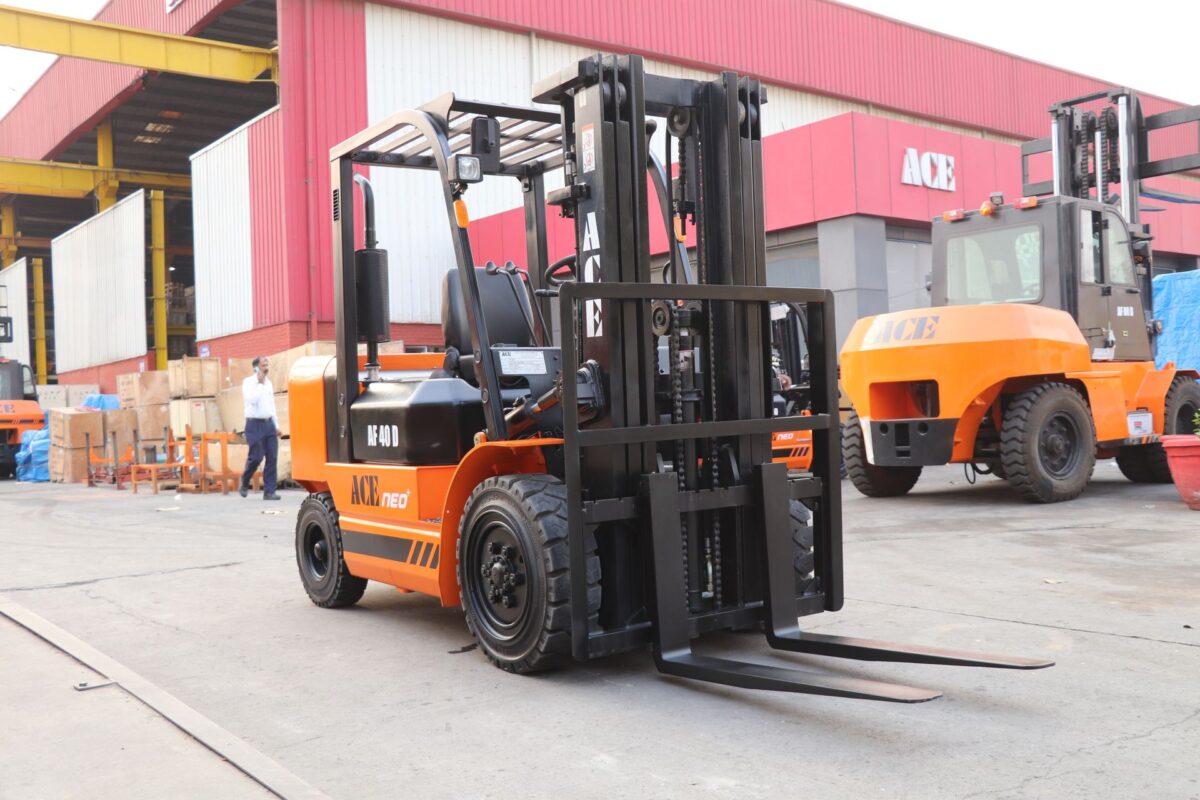

If you pay attention to how goods move, forklifts are impossible to ignore. They’re in warehouses, loading docks, manufacturing plants, and retail backrooms, doing the kind of work that looks simple until one breaks down at the worst possible moment. If you’re trying to understand how forklift parts affect uptime, repair costs, and daily operations, you’re looking at a topic that’s a lot more practical than glamorous—and much more important than most people realize.
OEM, used, and aftermarket parts each serve a different purpose
When you need a replacement, the first question usually comes down to type. Original equipment manufacturer parts, used parts, and aftermarket options all exist for a reason. None of them are automatically perfect in every situation.
OEM parts usually appeal to buyers who want a direct match from the original maker. That can help with compatibility, though pricing often lands on the painful side. Used parts may reduce cost, but condition varies, and uncertainty can be a real issue for components tied to safety or daily wear.
Then you have aftermarket forklift parts, which are commonly chosen when businesses need a practical balance between availability and cost. In the real world, many maintenance teams compare fit, warranty, lead time, and expected lifespan before choosing. The smartest call often depends on the age of the forklift, usage intensity, and how critical the repair is.
Why forklift parts matter more than most people think
A forklift is basically a business tool with zero patience for neglect. When one part wears out, the machine doesn’t just get slightly annoying. It can slow an entire shift, interrupt deliveries, and create safety risks for operators and nearby staff.
You can see the impact quickly in busy facilities. A damaged mast roller, worn brake component, or failing hydraulic seal can turn a routine day into a scramble for repairs. The issue isn’t only mechanical failure. It’s lost labor time, delayed shipments, and managers trying to explain why simple tasks suddenly became expensive.
Forklifts also age in uneven ways. One machine may have a solid engine but weak electrical components. Another may run fine but chew through tires because of floor conditions. Parts decisions shape whether your equipment remains useful or starts acting like a very heavy paperweight.
The hidden cost of downtime is usually worse than the repair bill
People often fixate on the sticker price of a part. That’s understandable, but it misses the larger problem. Downtime tends to cost more than the component itself, especially in operations where timing matters.
Imagine a distribution center during a busy week. One forklift goes down, and loads start stacking up. Workers wait for alternative equipment. Supervisors reshuffle tasks. Trucks leave late. If the repair drags out because the correct part isn’t available, the disruption keeps spreading like a bad group chat rumor.
That’s why parts planning matters. Stocking fast-wearing components such as filters, brake parts, forks, bearings, and hydraulic seals can save serious money over time. It also helps to track which models in your fleet fail most often and under what conditions. A part isn’t just a purchase. It’s often the difference between smooth throughput and operational chaos.
Compatibility is where smart buyers separate themselves from rushed buyers
A forklift part that almost fits is not a win. It’s a callback waiting to happen. Compatibility matters more than many first-time buyers expect because forklifts vary by brand, model, serial range, lift configuration, fuel type, and intended use.
Even parts that look similar can behave very differently once installed. Electrical connectors may not match. Hydraulic pressure ratings can differ. Tire types affect traction, floor wear, and load handling. Small mismatches create real problems, especially when equipment is under daily strain.
If you’re sourcing parts, collect exact model and serial information before ordering. Check dimensions, attachment details, and manufacturer notes. Don’t rely on visual guesswork or “close enough” logic. Warehouses are full of expensive lessons that started with assumptions. Careful verification takes a little longer upfront, but it beats losing half a shift because one replacement part turned out to be confidently wrong.
Maintenance habits often decide whether parts last or fail early
You don’t need a dramatic mechanical disaster for costs to climb. Ordinary neglect does the job just fine. Forklift parts wear faster when maintenance is inconsistent, rushed, or treated as optional until something starts making a noise nobody wants to identify.
Simple habits matter more than flashy fixes. Regular inspections help catch worn chains, leaking hoses, low fluid levels, loose fasteners, and uneven tire wear before they become bigger failures. Clean operating environments also help. Dust, debris, and poor floor conditions quietly punish moving components every day.
Operator behavior adds another layer. Sharp turns, overloaded lifts, abrupt braking, and impacts with racks or dock plates can shorten the life of parts dramatically. Good training protects both people and equipment. A forklift isn’t indestructible just because it looks tough. It’s a precision work machine wearing steel boots.
Choosing suppliers takes more than comparing price tags
A low price can look great until the part arrives late, lacks support, or fails too soon. Choosing a supplier should involve more than basic bargain hunting. You’re looking for accuracy, availability, responsiveness, and a clear understanding of the equipment involved.
Good suppliers usually provide detailed part identification help, clear return policies, and realistic information about lead times. That matters when you’re trying to avoid ordering mistakes or deciding between multiple replacement options. It also helps when older forklift models need harder-to-source components.
Reviews, product detail quality, and customer support all offer clues. If a supplier can’t explain specifications clearly, that’s not a charming mystery. It’s a warning. The best sourcing decisions support uptime, budget control, and safer operation at the same time. Price matters, of course, but reliability tends to have the final word when your equipment fleet actually needs to work.
A smarter parts strategy gives you control instead of constant surprises
The best forklift maintenance plans aren’t built around panic. They’re built around visibility. When you know which machines are aging, which components wear fastest, and which parts are worth keeping on hand, you move from reactive repairs to a more controlled system.
That doesn’t mean overbuying random inventory. It means using service records, operator feedback, and inspection data to spot patterns. One facility may need to focus on tires and brakes because of constant stop-and-go traffic. Another may burn through hydraulic components because of heavy lifting cycles. Patterns tell you where spending actually matters.
If you work around material handling equipment, understanding parts is one of the easiest ways to think bigger about operations. Better choices reduce downtime, support safety, and stretch the value of your fleet. That’s not flashy. It’s just the kind of practical advantage that keeps work moving.