




Education has long been the foundation upon which societies build their progress.
Over time, the demands placed on students, teachers, and institutions have transformed dramatically.
With these changes, the role of counselors within educational systems has also evolved.
Today, counselors are not only providers of academic guidance but also advocates for mental health, facilitators of personal development, and key contributors to creating inclusive learning environments. Their responsibilities extend far beyond traditional boundaries, making them vital figures in shaping the holistic growth of students.
Modern education is no longer confined to textbooks and classrooms. The emotional, psychological, and social well-being of students has gained equal importance in determining academic success.
Counselors now serve as the bridge connecting students’ personal challenges with institutional support systems, ensuring that learners are equipped not only for academic achievement but also for life’s broader challenges.
The Importance of Higher Education and Counselor Preparation
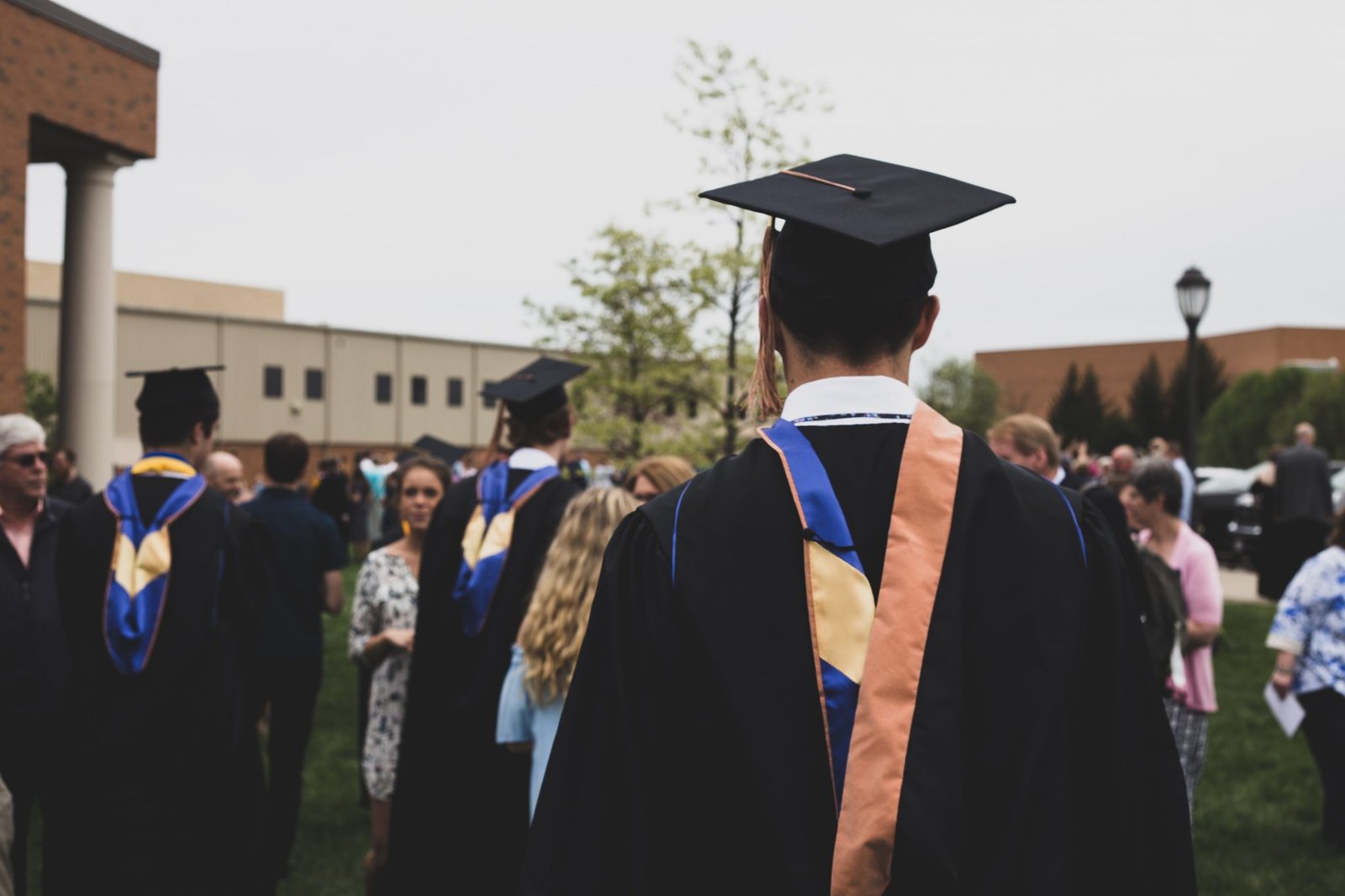
As education continues to evolve, the role of counselors is becoming increasingly vital in helping students reach their full potential. Pursuing an online Master’s degree in School Counseling has become a preferred path for aspiring professionals who seek flexibility while gaining the expertise required to meet these evolving demands.
Online education offers distinct advantages, including the convenience of learning from any location and the ability to balance academic growth with professional or personal responsibilities.
Higher education plays a pivotal role in preparing counselors to understand the nuances of modern learning environments. Advanced degree programs equip them with theoretical frameworks, practical tools, and ethical foundations essential for addressing the psychological, academic, and social aspects of student development.
Reflecting this commitment to student success, Southeastern Oklahoma State University provides a range of degrees and certificates designed to support diverse academic goals.
Students benefit from personal attention from dedicated faculty and staff, along with affordable tuition and a student-centered environment that nurtures learning and professional growth.
Shifting Focus from Academics to Holistic Development
Traditionally, school counselors were primarily tasked with helping students choose subjects, plan academic paths, and prepare for careers. While academic counseling remains important, today’s counselors adopt a more comprehensive approach. They focus on emotional well-being, personal growth, and resilience building. This holistic approach reflects an understanding that students’ academic performance is deeply connected to their mental and emotional state.
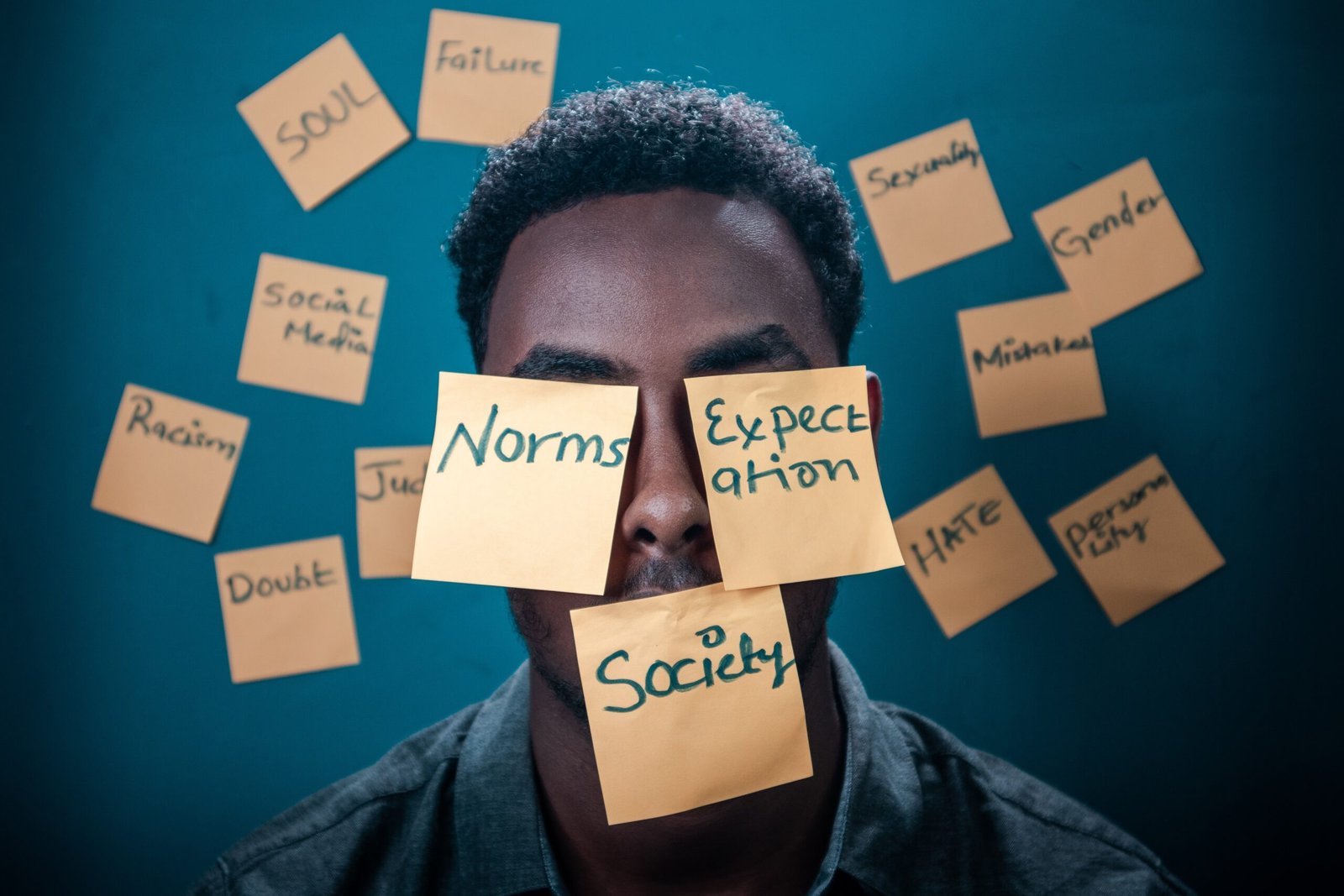
Modern counselors help students manage stress, anxiety, and interpersonal conflicts, which are increasingly prevalent in today’s fast-paced academic environments. They also play a critical role in identifying early signs of learning difficulties or emotional distress, collaborating with teachers and parents to provide timely interventions.
Integrating Mental Health Support into Education
One of the most significant transformations in modern education is the integration of mental health awareness and support within school systems. Counselors have become the front line of mental health advocacy, working to normalize conversations around emotional well-being. They educate students and teachers about coping strategies, emotional regulation, and self-care practices, helping reduce stigma associated with mental health challenges.
Additionally, counselors often coordinate with psychologists and healthcare professionals to design programs that address anxiety, depression, and behavioral issues among students. This multidisciplinary collaboration ensures that learners receive the necessary support to thrive academically and emotionally.
Career and Future Readiness in a Changing World
As global industries evolve, so do the skills and knowledge required for future careers. Counselors now play a crucial role in helping students navigate this ever-changing landscape.
They guide learners in identifying their strengths, exploring potential career paths, and developing transferable skills such as critical thinking, communication, and adaptability. These abilities are essential for success in a world defined by technological advancements and shifting professional expectations.
Furthermore, counselors encourage lifelong learning and self-reflection. They help students align their personal values with professional goals, fostering a sense of purpose that extends beyond financial success.
Collaboration and Community Engagement
Effective counseling extends beyond the counselor’s office. Modern counselors actively collaborate with teachers, parents, and administrators to create comprehensive support systems for students. They also engage with community organizations, healthcare providers, and advocacy groups to expand the reach of school programs.
Such collaboration enhances communication between all stakeholders and ensures that students receive consistent support across academic, emotional, and social dimensions. This interconnected approach strengthens the educational ecosystem, making it more responsive to the needs of both students and families.
The Counselor as an Agent of Transformation
The evolving role of counselors in modern education underscores their significance as agents of transformation. They are no longer confined to academic guidance but serve as mentors, advocates, and allies in students’ journeys. Their work fosters environments where learners feel valued, supported, and empowered to reach their full potential.
In a world where education must respond to rapid social and technological changes, counselors embody the compassion and adaptability that schools need most. Their presence ensures that education remains not only a pursuit of knowledge but also a pathway to well-being, inclusivity, and personal growth. As modern challenges continue to reshape learning, the counselor’s role will remain central to building stronger, more resilient generations of students.