







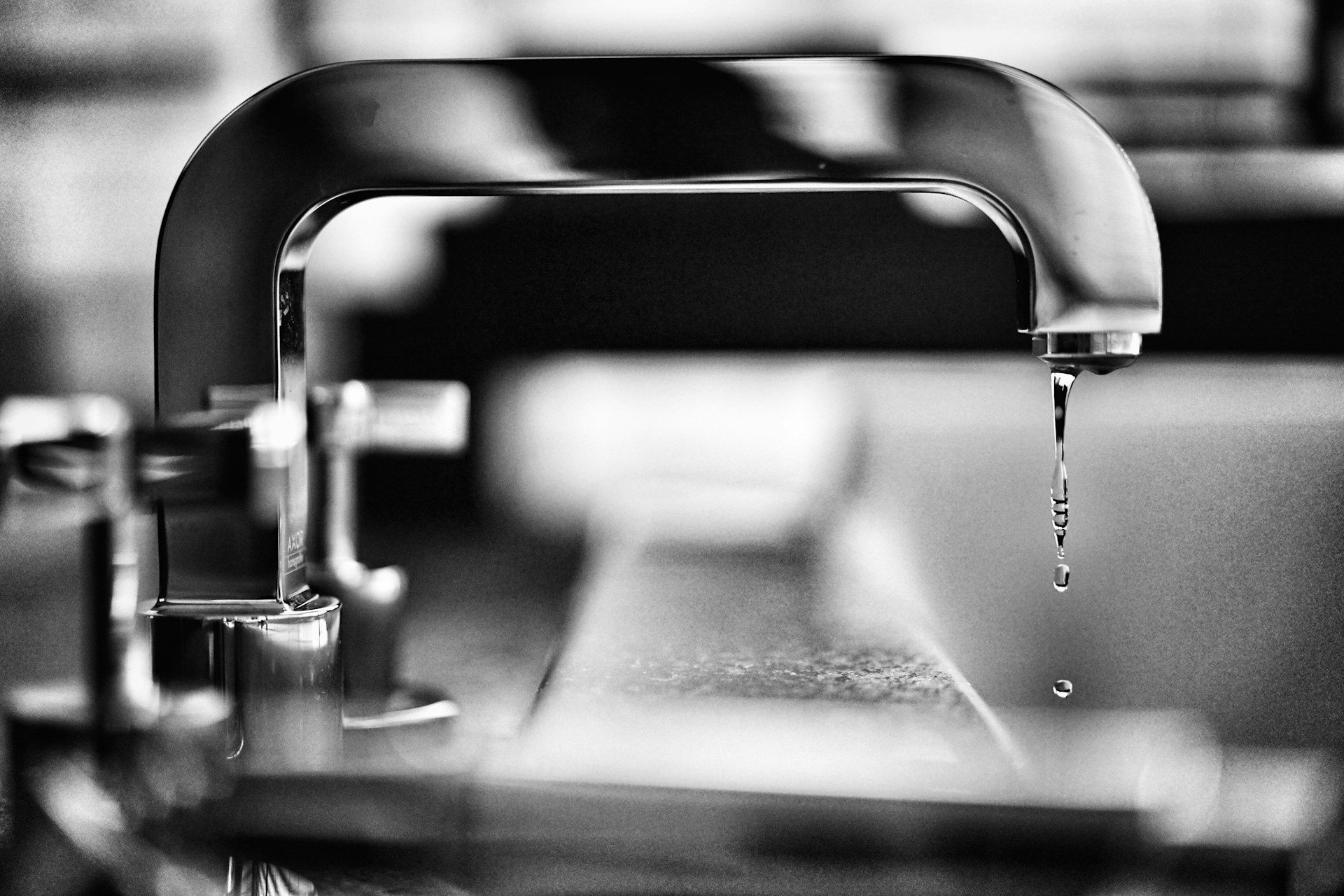
A slow drip under the kitchen sink has soaked through two boxes of cereal and a good bottle of hot sauce, and you still haven’t called anyone.
That delay is the expensive part.
Water damage doesn’t wait for a convenient weekday, and the difference between a cheap fix and a painful bill is usually how long you sat on the problem. So here’s the plan: you’re going to learn what to look for before you hire, what questions to ask on the phone, and which red flags deserve a hang-up. You’ll walk away with a short checklist you can use the next time something gurgles, leaks, or howls behind the wall.
I’ve watched enough houses spring surprises to have opinions about all of this. A good place to start your search is a contractor who already knows the local pipes and basements, which is why many homeowners begin with Barstow, CA, Plumbing as a benchmark for what a prepared, license-holding local shop looks like. Use that as a comparison point rather than a shortcut.
What separates a real plumber from a guy with a wrench?
Licensing. It’s unglamorous and it’s the whole ballgame. Every state sets its own tiered system, and the licenses are split between residential work, commercial work, and sometimes gas or backflow specialty. In California, for instance, a C36 classification covers plumbing specifically, and a general contractor’s license does not automatically authorize it.
When you call, ask two questions in plain English. What’s your license number, and can you confirm it in writing on the invoice? A legitimate shop answers without flinching. A knockoff stammering about “being bonded through the company” is telling you something.
Beyond paper, you want a diagnosis before a price. The best crew I ever hired spent twenty minutes with a flashlight before quoting a number, then explained which pipe failed and why. That’s patience you’re paying for, and it’s worth every penny.
The phone call script you should keep by the fridge
Most people waste their one good phone call. They describe symptoms and accept the first number quoted, and then they’re stuck. Flip the order.
Ask how the technician intends to diagnose the problem. Ask whether the trip charge gets applied to the final bill. Ask whether the quote is flat or hourly, and what counts as overtime. Then ask when the repair can actually happen, because “sometime Tuesday between eight and six” is not a commitment, and you deserve better than a twelve-hour window with your water shut off.
One more: ask who is coming to your house. If a company sends a commissioned salesperson instead of a plumber to look at a running toilet, that’s a warning sign before anyone opens the door. A real diagnostic visit ends with a written price and a clear scope of work, not a three-hour presentation about financing.
Three fixes you can honestly handle yourself
Not every drip needs a truck. Before you pick up the phone, check these. If the problem is one of them, you just saved yourself a service call.
- A toilet that runs. Pop the tank lid, look at the flapper, and replace it for a few dollars. A running toilet can quietly waste an enormous amount of water, and it’s a five-minute job with a screwdriver and a bucket.
- A clogged disposal. Flip the wall switch off, then press the reset button on the unit’s underside. That solves more jams than any chemical drain product on the market.
- A dripping showerhead. Unscrew the head, soak it in white vinegar for an hour, and scrub the mineral crust off the aerator. Hard water builds scale fast, and most people replace a perfectly good fixture over a deposit thinner than a fingernail.
The Environmental Protection Agency tracks our national water use and backs simple conservation habits like fixing leaks, which is a good reminder that a slow drip is a bill, not just a nuisance. According to the Environmental Protection Agency, household leaks account for a meaningful share of wasted water, and fixing them is one of the easiest conservation wins available to you.
When a repair turns into a replacement
There’s a hard truth about water heaters that nobody wants to hear on a holiday weekend. A unit approaching the end of its typical service range is a gamble, and replacing it on a quiet Tuesday afternoon beats failing in the middle of a cold snap.
The decision usually comes down to age and repair history. If your heater is old enough to be due for retirement and a technician is quoting an internal repair, get a replacement number before you approve anything. My rule: if the projected repair approaches half the cost of a new unit, I’d be walking toward a new unit instead.
The same logic applies to pipes. A single leak in an older home can be a one-off failure, or it can be the first of several. Ask your plumber directly what pattern they see, and if the answer is “this house is at the top of its cycle,” treat that as useful information, not a scare tactic.
| Situation | Repair-first | Replace-first
|
|---|---|---|
| Tank water heater | One internal part fails and the unit is young | Tank is old and repair is a large share of replacement |
| Single pinhole leak | No repeat failures in recent years | Multiple leaks within a short window |
| Running toilet | Flapper or fill valve only | Rarely appropriate, keep the fixture |
Trust does not come from a truck wrap
Bilingual technicians, screened staff, and extended service hours all sound like marketing bullet points until you’re the one who needs them at 9 p.m. I’d rather work with a shop that answers its own phone than one with a fancy slogan and a call center that can’t name a single plumber. Ask how long the company has served the area. Local tenure is imperfect, but so is a fleet of vans that appears the week after a storm.
One more thing about trust: a good plumber will tell you when you don’t need them. If they hand you a diagnosis that includes the word “monitor” for a small, stable issue, take it. That restraint is the strongest credential in the trade. According to the Bureau of Labor Statistics, plumbing is an occupation with steady national demand, which tells you the industry isn’t short on people selling fixes, only on people who will tell you the honest answer.
Your five-minute hiring checklist
Run through this before you book anyone, and don’t skip the last two.
- Confirm the license number and verify it through your state’s licensing board.
- Get the trip charge in writing, including whether it applies to the repair.
- Ask for a written scope of work, not just a total price.
- Confirm who is arriving, and whether the person performing the diagnosis is a technician or a salesperson.
- Check your homeowner’s policy for water damage coverage before the job begins, not after.
That last point gets skipped constantly. Flooding from a failed pipe or an ignored leak can create losses that aren’t automatically covered, and a quick call to your insurer or a look at your policy could change how you sequence a repair. The Department of Housing and Urban Development’s inspector general publishes consumer protection guidance on home-related fraud worth a scan if you’re buying or repairing a home, and it’s a good resource for spotting pressure tactics. You can find consumer protection resources through HUD’s Office of Inspector General if someone is pushing you toward a decision before you’ve signed anything.
Close the loop before it springs a leak
You now have the four things that actually separate good plumbing work from bad: a verifiable license, a real diagnosis before a quote, a written scope, and a preference for repair only when it makes financial sense. The drip under the sink is still there, but now you have a plan instead of a feeling.
Call one local shop this week and ask those five questions. The one that answers without a sales pitch is your plumber.