





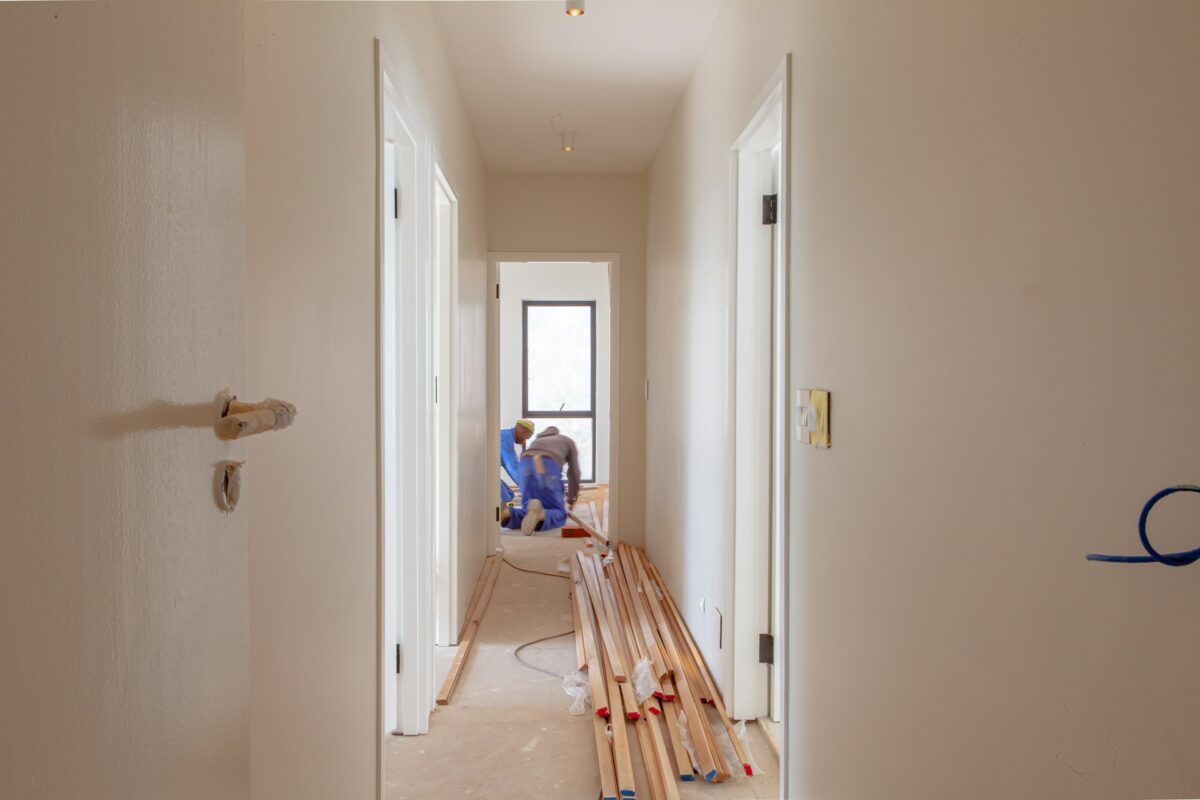

A renovation often begins with inspiration. Pinterest boards fill with bright kitchens, open living spaces, dramatic bathrooms, and carefully chosen finishes.
The dream is exciting: take an outdated property and turn it into something that finally feels like home.
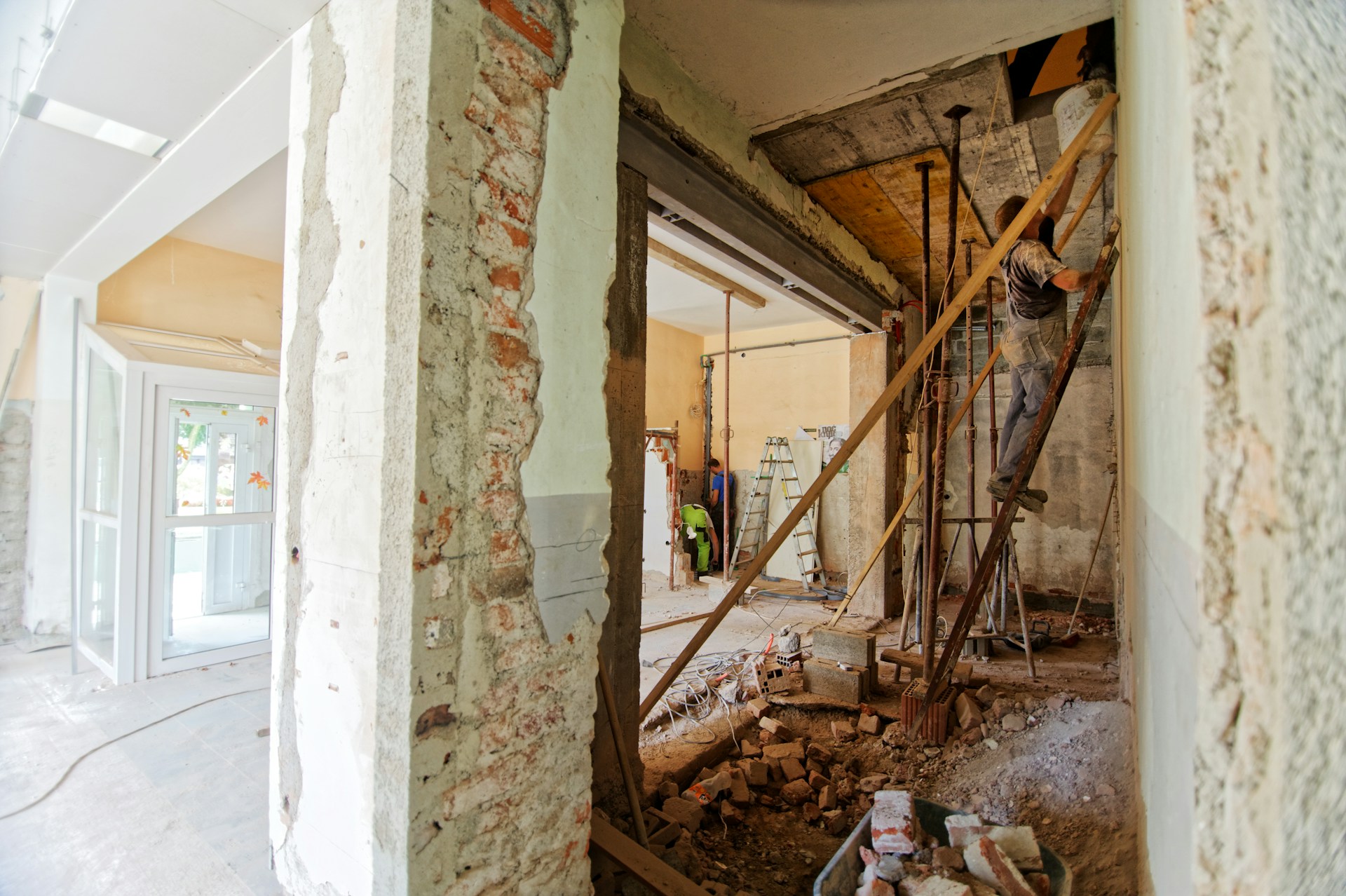
Then demolition begins.
This is where the polished vision meets the physical reality of a full-gut renovation. Walls come down, old flooring is removed, cabinets are dismantled, and years of accumulated materials have to leave the property. What looks simple in a finished renovation photo can involve weeks of planning, hauling, sorting, cleaning, and coordinating trades.
Understanding this messy middle can make a major renovation much easier to manage.
Going Back to the Studs
A full-gut renovation can mean stripping a space back to its basic structure. Depending on the property, that may involve removing drywall, flooring, insulation, fixtures, cabinets, and other outdated materials.
In a century-old home, there may be additional surprises hidden behind the walls. Older construction can reveal unexpected wiring, plumbing, structural issues, or previous modifications. Newer homes may have fewer historical surprises, but that does not eliminate the need for careful demolition and disposal.
The important thing is to expect the unexpected. A renovation rarely follows the exact path shown on the original plan.
The Debris Is Part of the Project
One of the most overlooked parts of demolition is deciding what happens to everything that comes out of the house.
A full renovation can quickly produce piles of drywall, wood, flooring, cabinets, packaging, fixtures, and other construction debris. Without a disposal plan, those materials can take over driveways, garages, or other usable areas.
Arranging a suitable container before demolition starts helps keep the site organized. For homeowners searching for bin rental hamilton, companies such as Hersey Bins provide a practical solution for managing renovation waste. Hersey Bins is a family-run Hamilton bin rental company that offers driveway protection with every drop and same-to-next-day delivery, helping homeowners deal with debris without adding another major logistical challenge.
Prepare the Property Before the Mess
Before the first wall comes down, clear as much as possible from the renovation area. Remove furniture, decorations, appliances, personal belongings, and anything else that could be damaged or covered in dust.
Protect the parts of the property that are staying. Floors in nearby areas can be covered, doorways can be sealed where appropriate, and pathways can be planned so workers can move materials without damaging finished spaces.
It is also worth thinking about neighbours. Demolition creates noise, dust, vehicle traffic, and temporary inconvenience. Good communication can prevent avoidable problems during a demanding phase of the project.
Pace the Renovation
A full-gut renovation can feel overwhelming when viewed as one enormous task. Breaking it into stages makes the process easier to manage.
Think about demolition first, then structural and mechanical work, followed by walls, flooring, cabinetry, fixtures, and finishing touches. Each stage has its own purpose and timeline.
Build some flexibility into the schedule, too. Materials can arrive late, hidden problems can appear, and trades may need additional time. A realistic timeline is more useful than one that assumes everything will happen perfectly.
Turning the Dream Into Reality
The demolition phase may not be the most glamorous part of creating a dream home, but it is where the transformation truly begins. The dust, debris, noise, and logistical challenges are temporary steps toward the finished space.
With the property prepared, waste disposal organized, protective measures in place, and the renovation divided into manageable stages, the process becomes less intimidating.
The Pinterest board may show the destination, but demolition is part of the journey. Knowing what that journey actually involves can help turn an ambitious renovation from a daunting idea into a project you can confidently take one stage at a time.