
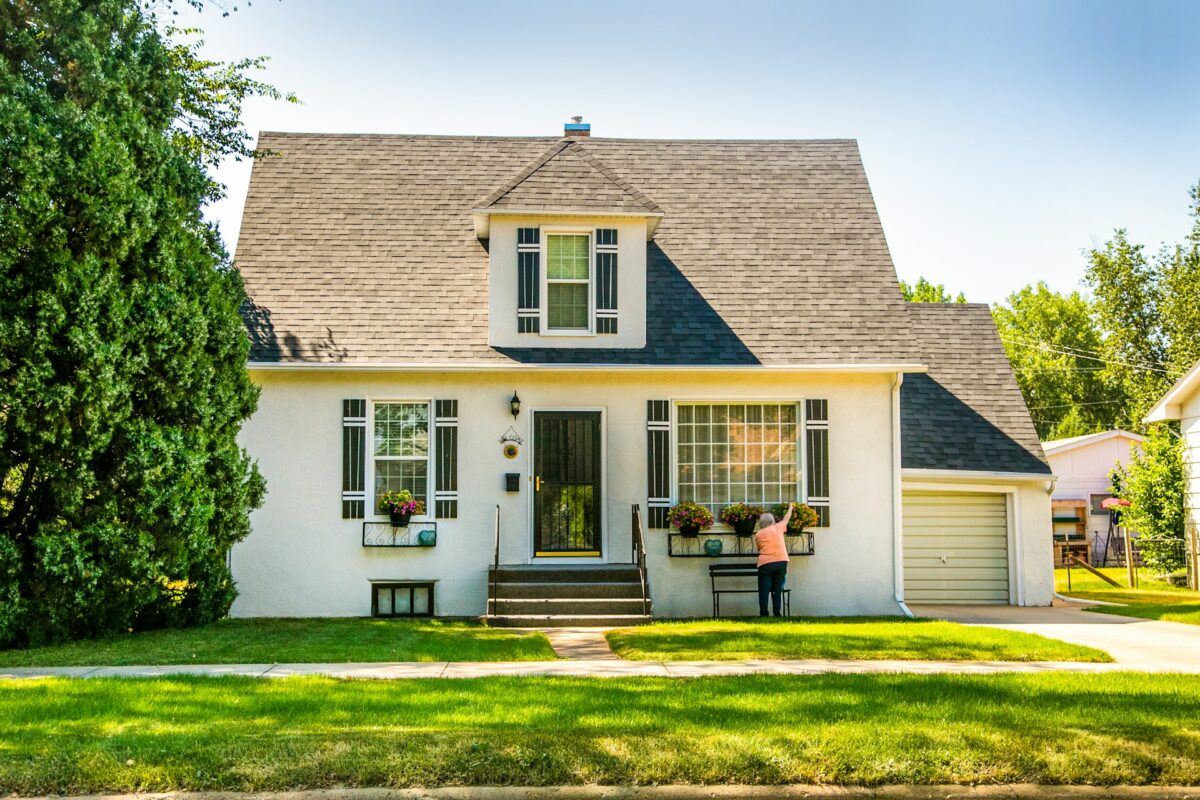

A well-maintained yard does more than improve curb appeal. It creates an outdoor space where families can relax, children can play, and homeowners can enjoy nature without constantly worrying about overgrown grass, unhealthy plants, or drainage issues. Like any part of a home, a yard benefits from regular care and thoughtful planning rather than occasional major projects.
Healthy lawns, thriving gardens, and functional outdoor spaces are usually the result of consistent maintenance throughout the year. By focusing on preventive care instead of waiting for problems to appear, homeowners can keep their landscapes looking attractive while protecting the value of their property.
A Healthy Lawn Starts With Proper Planning
Every great lawn begins long before the grass starts growing. Soil quality, drainage, sunlight, and choosing the right turf all influence how successful a lawn will be over time. Homeowners planning a new sod installation backyard project often spend time preparing the soil, improving grading, and selecting sod that matches local growing conditions before installation begins.
Starting with careful preparation reduces many common lawn problems later. When new sod is installed on properly prepared ground and receives appropriate early care, it is better positioned to develop into a dense, healthy lawn that requires less corrective maintenance in the future.

Watering The Right Way Makes A Big Difference
Many homeowners assume watering more frequently produces healthier grass.
In reality, the opposite is often true.
Deep, less frequent watering encourages grass roots to grow deeper into the soil, making lawns more resilient during dry weather. Frequent shallow watering often leads to weaker root systems that become more vulnerable to heat stress.
Early morning remains one of the best times to water because cooler temperatures reduce evaporation while allowing moisture to reach the roots before afternoon heat arrives.
Irrigation systems should also be checked regularly for clogged sprinkler heads, uneven coverage, or leaks that waste water.
Providing the right amount of moisture—not simply more water—supports healthier turf while conserving resources and reducing unnecessary utility costs.
Mowing Habits Affect Lawn Health
Mowing does more than keep grass looking neat.
It directly influences lawn health.
Cutting grass too short places unnecessary stress on the plants while exposing soil to increased sunlight, encouraging weed growth and faster moisture loss.
Keeping mower blades sharp produces cleaner cuts that heal more quickly and reduce stress on the grass. Dull blades tear rather than cut, leaving rough edges that may become susceptible to disease or discoloration.
Changing mowing patterns occasionally also prevents soil compaction and wheel ruts from forming across the lawn.
Rather than removing large amounts of grass at once, follow the general practice of trimming only a small portion of each blade during individual mowing sessions.
Healthy mowing habits support stronger, greener lawns.
Feed The Soil, Not Just The Grass
Healthy grass depends on healthy soil.
- Fertilizer certainly plays an important role, but understanding soil conditions often produces even better long-term results.
- Periodic soil testing helps identify nutrient deficiencies and pH imbalances that influence how well grass absorbs available nutrients. Applying fertilizer based on actual soil needs is generally more effective than following a generic schedule.
- Organic matter such as compost also improves soil structure while increasing moisture retention and encouraging beneficial microbial activity.
- Aeration provides another valuable benefit by relieving soil compaction and allowing air, water, and nutrients to penetrate more deeply into the root zone.
- Strong lawns begin below the surface.
Healthy soil creates conditions where grass naturally performs better throughout the growing season.
Don’t Overlook Trees And Shrubs
Lawns usually receive most of the attention.
Trees and shrubs deserve regular care as well.
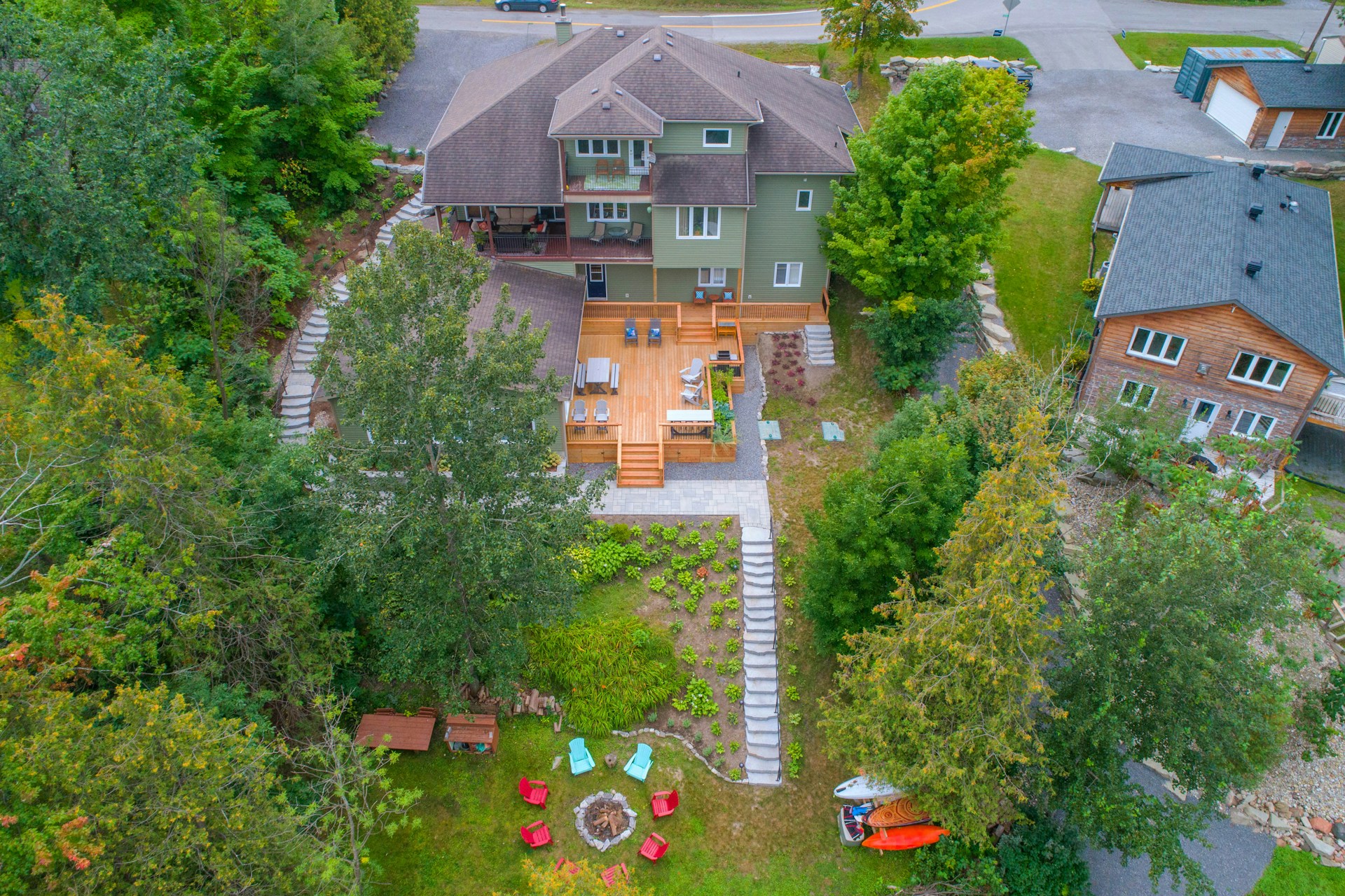
Pruning dead or damaged branches improves plant health while reducing safety risks during storms. Removing crowded growth also improves airflow, helping reduce conditions favorable for certain plant diseases.
Mulch placed around trees and shrubs helps regulate soil temperature, conserve moisture, and suppress weeds. However, mulch should never be piled directly against tree trunks because excessive moisture around the bark may contribute to decay.
Regular inspection allows homeowners to identify insect activity, damaged branches, or signs of disease before they spread.
Healthy landscape plants contribute structure, shade, privacy, and visual interest that complement a well-maintained lawn.
Seasonal Maintenance Prevents Bigger Problems
Every season brings different maintenance priorities.
Spring often focuses on cleanup, fertilization, irrigation inspection, and preparing lawns for active growth. Summer emphasizes watering, mowing, and monitoring for heat stress.
Autumn provides excellent opportunities for aeration, overseeding, leaf removal, and preparing plants for cooler weather. Winter allows homeowners to inspect hardscapes, maintain equipment, and plan future landscape improvements.
A seasonal checklist may include:
- Inspect irrigation systems.
- Sharpen mower blades.
- Remove excess leaves.
- Refresh mulch.
- Test soil periodically.
- Trim damaged branches.
Completing small maintenance tasks consistently throughout the year reduces the likelihood of larger landscape problems developing unexpectedly.
Hardscape Maintenance Matters Too
A beautiful yard includes more than healthy grass.
- Patios, walkways, retaining walls, fences, and garden edging all contribute to both function and appearance.
- Inspect paved surfaces regularly for cracks that may worsen over time due to moisture or changing temperatures. Pressure washing removes dirt, algae, and stains that gradually affect appearance.
- Wood fences and decks benefit from periodic cleaning, sealing, or staining to protect against weather exposure.
- Outdoor lighting should also be checked to ensure pathways remain safely illuminated after dark.
- Maintaining hardscape features preserves both the beauty and usability of outdoor living spaces while protecting previous investments.
A well-maintained landscape combines healthy plants with equally well-maintained structures.
Consistent Care Creates Long-Term Results
The healthiest yards rarely become beautiful overnight.
Instead, they improve gradually through consistent attention and thoughtful maintenance.
Regular watering, proper mowing, healthy soil management, seasonal inspections, pruning, and prompt repairs all contribute to a landscape that remains attractive throughout the year.
Homeowners don’t need to complete every improvement project at once.
Small, manageable efforts performed consistently often produce better long-term results than occasional large-scale renovations.
Every positive habit strengthens the health of the entire landscape while making future maintenance easier.
A well-maintained yard offers more than visual appeal. It creates an inviting outdoor environment that supports relaxation, recreation, and everyday enjoyment. By investing time in preventive maintenance and making informed decisions about lawn care, plant health, irrigation, and outdoor features, homeowners can build landscapes that remain healthy, functional, and beautiful for many years to come.