

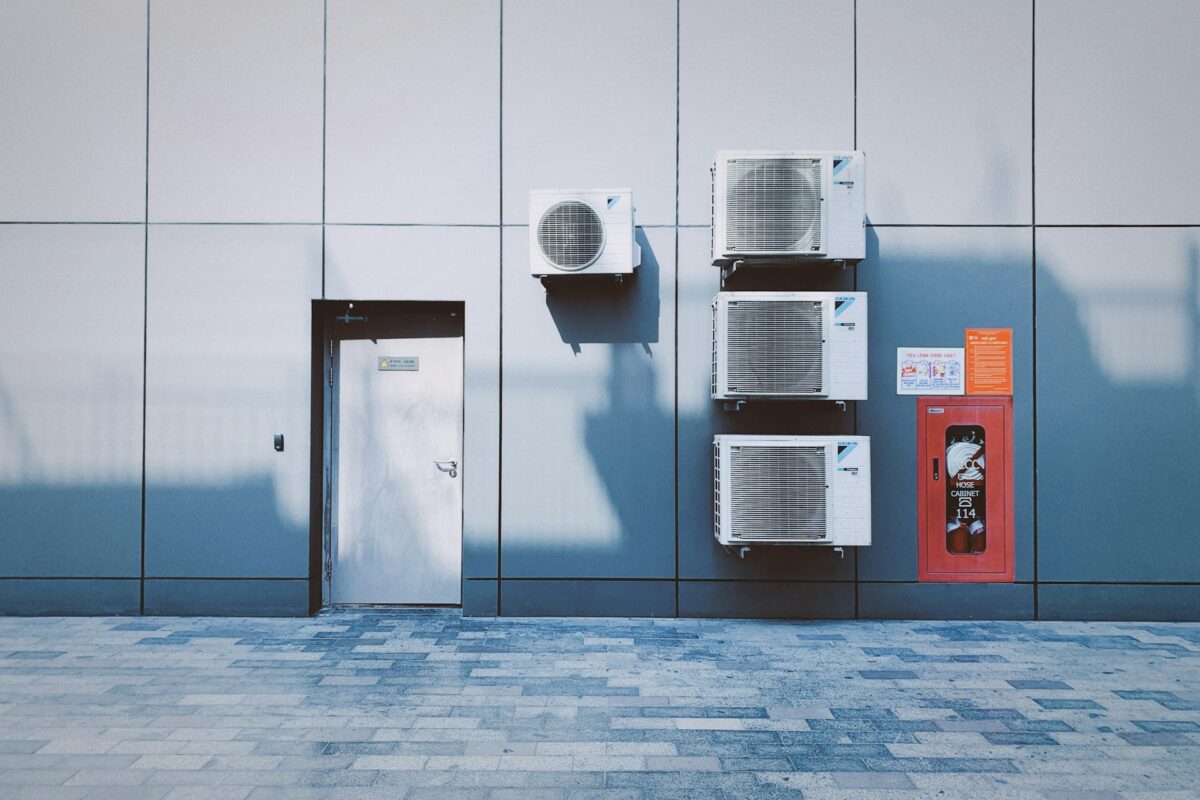

Kentucky homes face sharp temperature swings, so indoor comfort depends on heating and cooling equipment that performs through every season. A full-service HVAC company manages repairs, maintenance, replacements, airflow, and indoor air quality through one coordinated service plan. That approach helps homeowners address equipment problems before they disrupt the household. It also keeps service records connected across the system’s life. The following sections explain how this support maintains consistent comfort year-round.
Full-Service Coverage Protects Comfort
Homeowners need HVAC support that covers the entire system, not just one isolated component. Furnaces, air conditioners, heat pumps, ductless units, geothermal systems, and ductwork all affect indoor comfort and energy use. Titan Quality Heating & Air Conditioning in Georgetown and Lexington, KY, gives homeowners one place for repairs, installations, replacements, and maintenance. That coverage also includes thermostats, zoning systems, filters, and indoor air quality equipment.
A shared service history helps technicians recognize recurring faults before they affect every room. It also gives homeowners a clearer record when equipment requires repair, an upgrade, or replacement.
Heating Service Prevents Winter Disruptions
Heating service involves more than replacing a failed furnace during a freezing night. Technicians inspect equipment, diagnose operating faults, and restore heat through repairs or replacement work. Common problems include worn belts, pilot light failures, restricted airflow, and hazardous leaks.
Routine heating maintenance gives technicians time to find developing faults before the system stops. Seasonal tune-ups also confirm that the controls, electrical connections, and safety components operate properly before colder weather arrives.
Cooling and Airflow Need Equal Attention
Air conditioning performance depends on more than the outdoor unit. Dirty filters, restricted ducts, poor equipment sizing, and blocked registers can create uneven temperatures throughout a home. A system can run frequently while some rooms remain uncomfortable.
Ductwork correction can improve distribution when an installation fails to move air properly. Technicians can assess existing ducts during repairs, replacements, remodeling projects, and new construction. That review connects equipment performance with the home’s layout.
Cooling service also includes AC repair, installation, maintenance, and ductless systems. This range of work helps homeowners address comfort problems without treating every concern as an equipment failure.
Maintenance Reduces Unexpected Repairs
Maintenance keeps minor operating problems from becoming larger service calls. A technician can clean accessible components, check system operation, inspect electrical connections, and identify parts that need attention. The work depends on the equipment and its condition.
A maintenance plan creates a regular schedule for heating and cooling inspections. Homeowners gain a clearer view of system conditions and can plan replacements before an emergency limits their choices.
Preventive service cannot eliminate every breakdown. It gives technicians more opportunities to find worn parts before they cause a complete loss of heating or cooling.
Indoor Air Quality Supports Better Control
Temperature control is only one part of indoor comfort. Filters, air purifiers, UV lights, air scrubbers, humidifiers, and dehumidifiers address different indoor air concerns. Each device serves a specific purpose, so your selection should match your home’s conditions and existing HVAC equipment.
Humidity control affects how indoor temperatures feel during Kentucky’s changing seasons. Excess moisture creates a damp environment, while overly dry air can irritate the skin and airways. Proper equipment helps maintain more consistent indoor conditions.
A full-service contractor can assess air quality equipment alongside the heating and cooling system. This connection helps prevent incompatible installations and keeps controls easier to manage.
Emergency Support and System Planning
Some HVAC failures require service outside a routine schedule. Emergency availability gives homeowners a way to address a sudden loss of heating or cooling when waiting would disrupt household routines. Licensed and insured technicians can assess the fault and explain the available repair options.
Long-term planning matters when equipment reaches the end of its service life. A replacement assessment should consider the home’s size, ductwork, comfort complaints, and existing system. Installations also matter during remodeling projects and new construction.
Generator installation adds another part of household readiness during power outages. A properly installed standby generator can keep selected home systems operating when severe weather interrupts electrical service.
Conclusion
Year-round comfort depends on coordinated service, accurate airflow, timely maintenance, and equipment suited to the home. A full-service HVAC company connects those needs through repairs, installations, indoor air quality work, and emergency support. Homeowners should review their systems before the next seasonal change. Scheduling a professional inspection provides a practical first step, especially when rooms feel uneven, utility costs rise, or equipment develops repeated faults.