





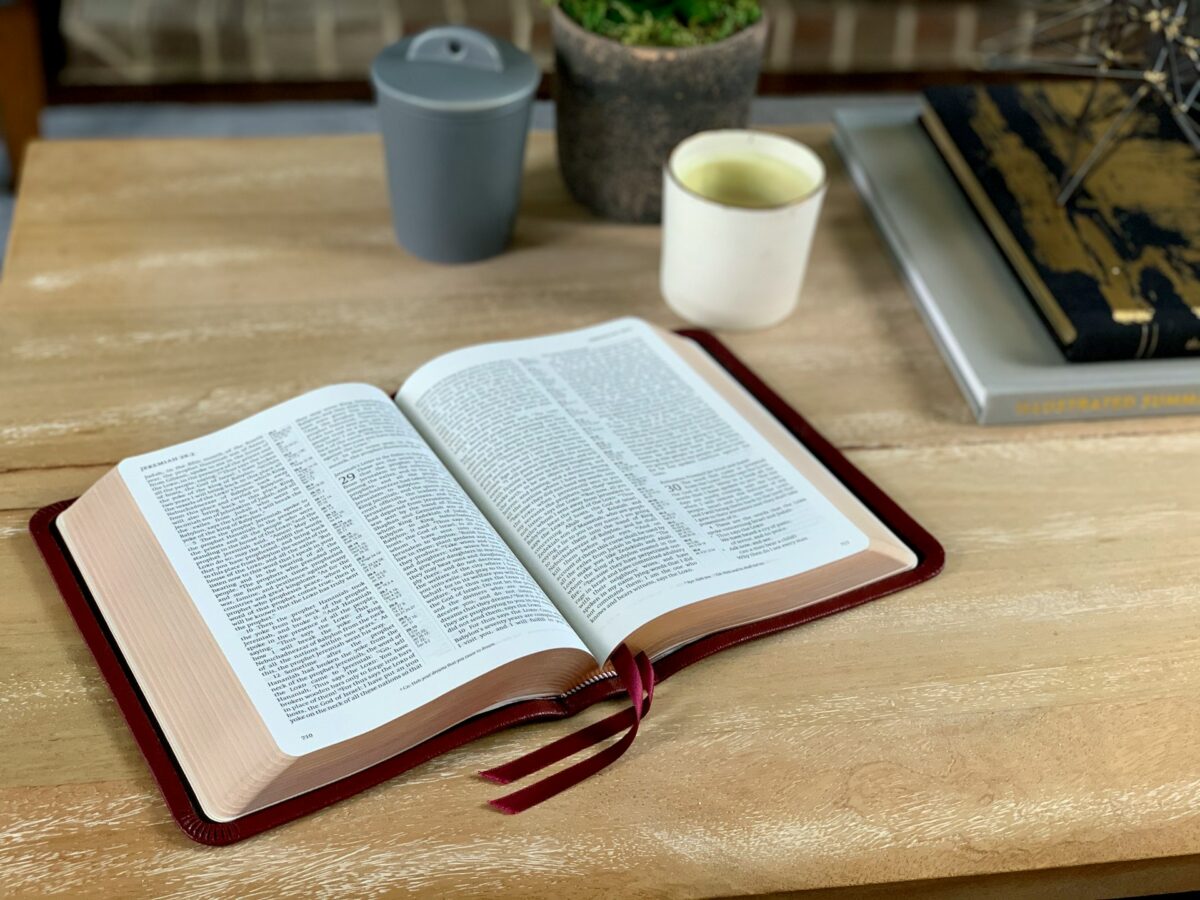

Starting a home Bible study group can feel intimidating at first, but it does not have to be complicated.
With some thought and planning, your living room can become a place where friends, neighbors, and even strangers grow closer to God together.
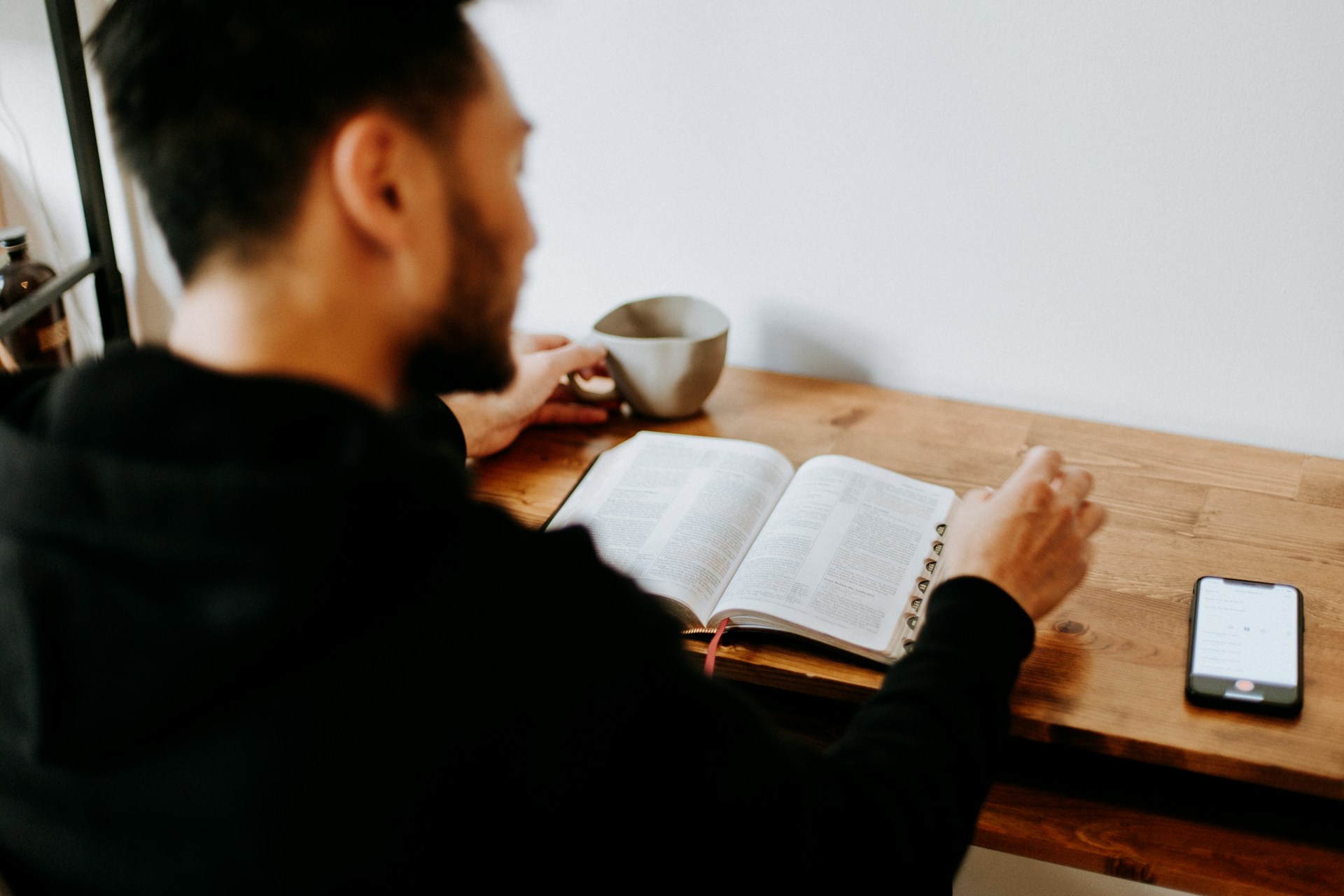
A home Bible study offers something a church service often cannot. It gives attendees room to ask questions, share doubts, and build real friendships. The intimacy of a small group setting helps quiet voices speak up and deepens everyone’s understanding of scripture.
Defining Your Purpose Before You Begin
Before you invite a single guest, decide why you want to start this group. Are you hoping to disciple new believers, support struggling parents, or simply gather neighbors who want fellowship? Your purpose shapes every decision that follows.
A clear purpose also helps you explain the group to potential members. When someone asks what the study is about, you should be able to answer in one or two sentences. This clarity attracts the right participants and sets honest expectations from day one.
Think about who you want to reach. A young couple newly married may need different guidance than a widow adjusting to life alone. Knowing your audience helps you choose topics, translations, and even the tone of your discussions.
Choosing A Bible Translation That Fits Your Spanish Speaking Members
If your group includes Spanish speaking members, this decision matters more than most hosts realize. Reading from a translation someone barely understands creates distance instead of connection, and it can quietly discourage a newcomer from returning the following week.
Consider the Reina Valera 1960 available on Christian bookstores like the Pentecostal Publishing House. It remains one of the most widely used and trusted Spanish translations among evangelical churches. Its language feels familiar to many longtime believers, much like the King James Version feels familiar to English readers who grew up hearing it.
For younger attendees or those newer to faith, the Nueva Versión Internacional offers clearer, more modern wording without losing accuracy. This translation often helps a teenager or a recent convert follow along without stumbling over older phrasing that feels distant or confusing.
It also helps to ask your Spanish speaking members directly which version they already own or prefer. Someone raised in a Spanish speaking household may already have a favorite translation sitting on their shelf, and honoring that choice shows respect for their background.
Picking The Right Day, Time, And Location
Consistency matters more than perfection when scheduling your meetings. Choose a day and time that works for most of your group, then stick with it. Constant changes frustrate busy parents, working professionals, and students trying to plan their weeks.
Weeknight evenings often work well for adults with daytime jobs, while weekend mornings might suit retirees or stay at home parents better. Ask your potential members before locking in a schedule, since their feedback often reveals conflicts you never considered.
Your home does not need to be spotless or spacious. A cramped living room filled with warmth often feels more welcoming than a large, sterile space. What matters most is comfortable seating and enough room for everyone to see each other while talking.
Inviting Members And Deciding On Group Size
Word of mouth remains the most effective way to build your group. Ask friends, coworkers, and family members if they know someone searching for community. A personal invitation feels far warmer than a flyer posted at church or a generic social media announcement.
Keep your group small enough for real conversation, somewhere between six and twelve people works well for most hosts. Larger groups can split into smaller discussion circles during the meeting, allowing quieter members like a shy teenager to still participate comfortably.
Do not worry if your first meeting only draws three or four attendees. Small beginnings often grow into lasting friendships, and a modest group allows you to build trust before welcoming additional faces into your home.
Planning Your Study Format And Materials
Decide early whether you will study a single book of the Bible, follow a themed curriculum, or use a published guide with discussion questions. Beginners often benefit from structured materials, while experienced groups may prefer working straight through scripture verse by verse.
Gather simple supplies before your first meeting. Extra Bibles, notebooks, and pens help visitors who forget their own copy. A whiteboard or notepad for jotting down questions keeps the group organized and shows respect for everyone’s contributions.
Keep sessions between sixty and ninety minutes. Shorter meetings rarely allow enough depth, while longer sessions can exhaust parents who need to relieve babysitters or working attendees facing an early alarm the next morning.
Creating A Welcoming Environment
Simple hospitality goes a long way toward making guests feel valued. Offer coffee, tea, or light snacks before the study begins. This casual time lets newcomers settle in and gives your host a chance to greet each arriving face personally.
Avoid making anyone feel pressured to speak, pray aloud, or share personal struggles before they feel ready. Trust builds slowly, especially with someone who has never attended a Bible study or feels nervous about opening up to strangers.
Guiding Discussion Without Losing Control
A good discussion feels like a conversation, not a lecture. Ask open ended questions that invite different perspectives, then resist the urge to fill every silence yourself. Sometimes the quietest pause leads to the most meaningful comment from a hesitant participant.
Gently redirect conversations that stray too far from scripture or turn into unrelated venting sessions. A skilled host acknowledges someone’s concern, then steers the group back toward the passage everyone gathered to study together that evening.
Growing And Sustaining Your Group Over Time
Check in with your members regularly, even outside scheduled meetings. A quick text asking how someone’s week went shows genuine care and strengthens the bonds formed during your studies. These small gestures often matter more than any planned activity.
As your group grows, consider training another host to lead a second gathering. This approach keeps groups small and personal while allowing your ministry to multiply naturally instead of becoming overcrowded and losing its original warmth.
Starting a home Bible study group takes courage, patience, and genuine care for others. With thoughtful planning around translations, scheduling, and hospitality, your home can become a lasting source of encouragement for everyone who walks through your door.