






Your sofa’s not just another piece of furniture – it’s where you decompress, chat with friends, or maybe just scroll through your phone after a long day.
The comfort of your sofa directly affects your physical relaxation and emotional well-being, shaping how you feel in your own space.
A sofa that’s actually comfortable can lift your mood and help melt away some of that daily stress.
Thinking about comfort from a psychological perspective can help you create a living room that really works for you and your relationships. A sofa isn’t just about how it looks – its feel matters a lot for how you rest, connect, and recharge at home.
The Psychology of Comfort in Sofa Selection
The way you choose a sofa has a direct impact on your emotional state, stress levels, and productivity. Design, materials, and arrangement contribute to psychological comfort in ways that often go unnoticed.
Emotional Connection to Comfortable Furniture
A sofa is more than a piece of furniture; it often serves as the emotional center of your living space. The sense of comfort you feel when settling into a well-cushioned seat can create an emotional resonance tied to feelings of safety and belonging.
If you have good experiences – relaxing after work, enjoying time with family, or unwinding with a favorite book – your sofa may start to represent relaxation and warmth. Over time, this builds a subconscious emotional connection. When you walk into a room, your mood can shift based on the memories and comfort associated with that sofa.
Fabrics, colors, and the familiarity of a sofa’s form play a role in creating this connection. People may choose a style or texture reminiscent of a beloved family home or a positive period in their lives, reinforcing those emotional ties.
Impact of Sofa Comfort on Mood and Mental Well-Being
Physical comfort can influence your psychological state more than you might expect. A sofa with proper support and soft textures can lower stress and promote a sense of relaxation. Uncomfortable seating, on the other hand, may contribute to irritability or restlessness.
There is evidence that cozy environments can encourage the release of feel-good neurotransmitters like serotonin and dopamine. When lounging on a well-chosen sofa, you might notice a natural boost in mood. Small design details, such as the depth of the seat or the firmness of cushions, can make a measurable difference in daily mental well-being.
Brands like DreamSofa make it easier to prioritize comfort and design, offering customizable sofas with features like orthopedic cushioning and deep-seat configurations tailored to how you want to feel in your space.
How Your Sofa Influences Relaxation and Productivity
Where and how you sit can shape your relaxation and mental clarity. A sofa that fits your body and matches your preferred level of firmness is likely to support both unwinding and focus. If the sofa supports your posture and cushions your body without causing discomfort, you can switch easily between relaxing and engaging in attentive tasks.
For people working or reading from the sofa, a balance between coziness and structure is essential. Excessively soft sofas may cause slouching or distraction, while stiffer sofas can optimize alertness without causing strain. The psychology of comfort recognizes that your environment affects not just how you feel, but how effectively you can relax or concentrate.
Flexible seating options, such as reclining features or moveable pillows, can help you tailor comfort to your needs, whether resting or being productive.
Design Elements That Shape Sofa Comfort and Style
Sofa comfort comes down to mostly design and materials used.
Don’t Sleep On Ergonomics
Proper ergonomics in sofa design can significantly affect your seating experience and well-being. Look for sofas that offer adequate lumbar support and promote proper posture, especially if you spend long hours sitting.
Ergonomic features can include:
- Adjustable headrests
- Memory foam or high-resilience foam cushions
- Rounded edges and contoured backrests
The depth and angle of the seat play a crucial role in ensuring comfortable seating. Sofas with appropriate seat height and armrest placement allow for easy transition between sitting and standing. Investing in supportive furniture design can reduce back strain and contribute to a cozy, healthy living space.
Materials, Cushions, and Fabric Choices
The materials used in your sofa affect not only comfort but also durability and maintenance. Natural materials like cotton, linen, or leather tend to be breathable and add a touch of timeless style. Synthetic fabrics offer stain resistance and easy cleaning, ideal for high-traffic living spaces.
When it comes to cushions, options such as memory foam, down, or hybrid fills each provide a different seating experience. Memory foam molds to your body for personalized support, while down offers a plush, inviting feel. Firmness, thickness, and cushion arrangement play a part in how cozy and functional your seating remains over time.
Quick reference:
| Cushion Type | Feel | Pros |
| Memory Foam | Supportive | Conforms to body, durable |
| Down | Soft, Plush | Luxurious feel, cozy |
| Polyfiber | Balanced | Low maintenance, affordable |
Influence of Color, Aesthetics, and Personal Touches
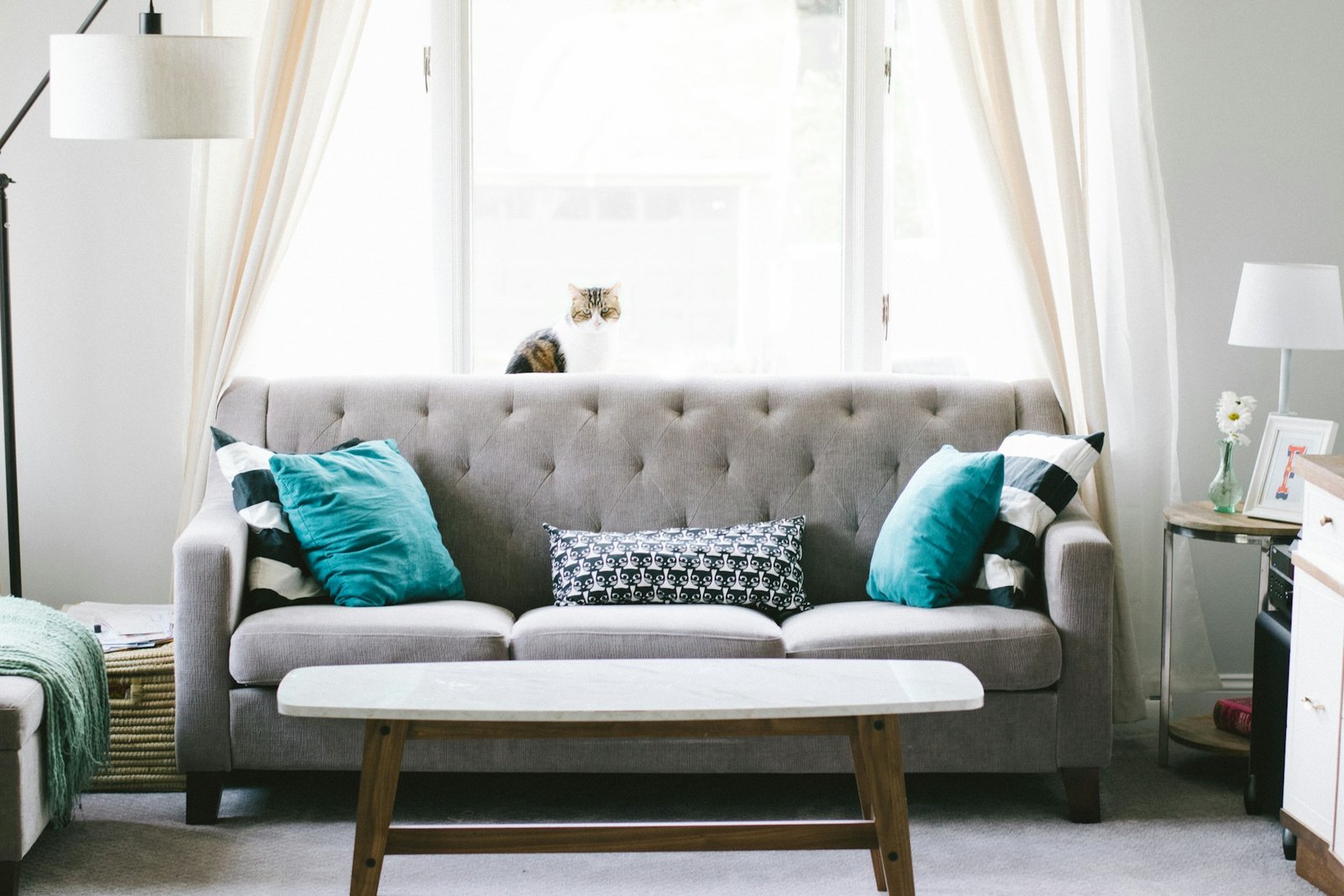
Color and style aren’t just about looks – they really do shape how you feel at home. Soft blues, greens, or muted neutrals tend to make a space feel calmer. If you’re feeling adventurous, a splash of bold color here or there can wake up a room and show off a bit of your personality.
The aesthetics of your sofa depend on more than just its color. Design matters, and how it fits in with the rest of your stuff can make all the difference. Sometimes it’s those little things – a textured throw, a quirky cushion, maybe a warm lamp in the corner – that make a place feel like yours. When you pick out things that actually speak to you, it’s easier to settle in and feel at home.