





Rugs are more than floor coverings.
They bring warmth, define space, absorb sound, and add beauty to a home.
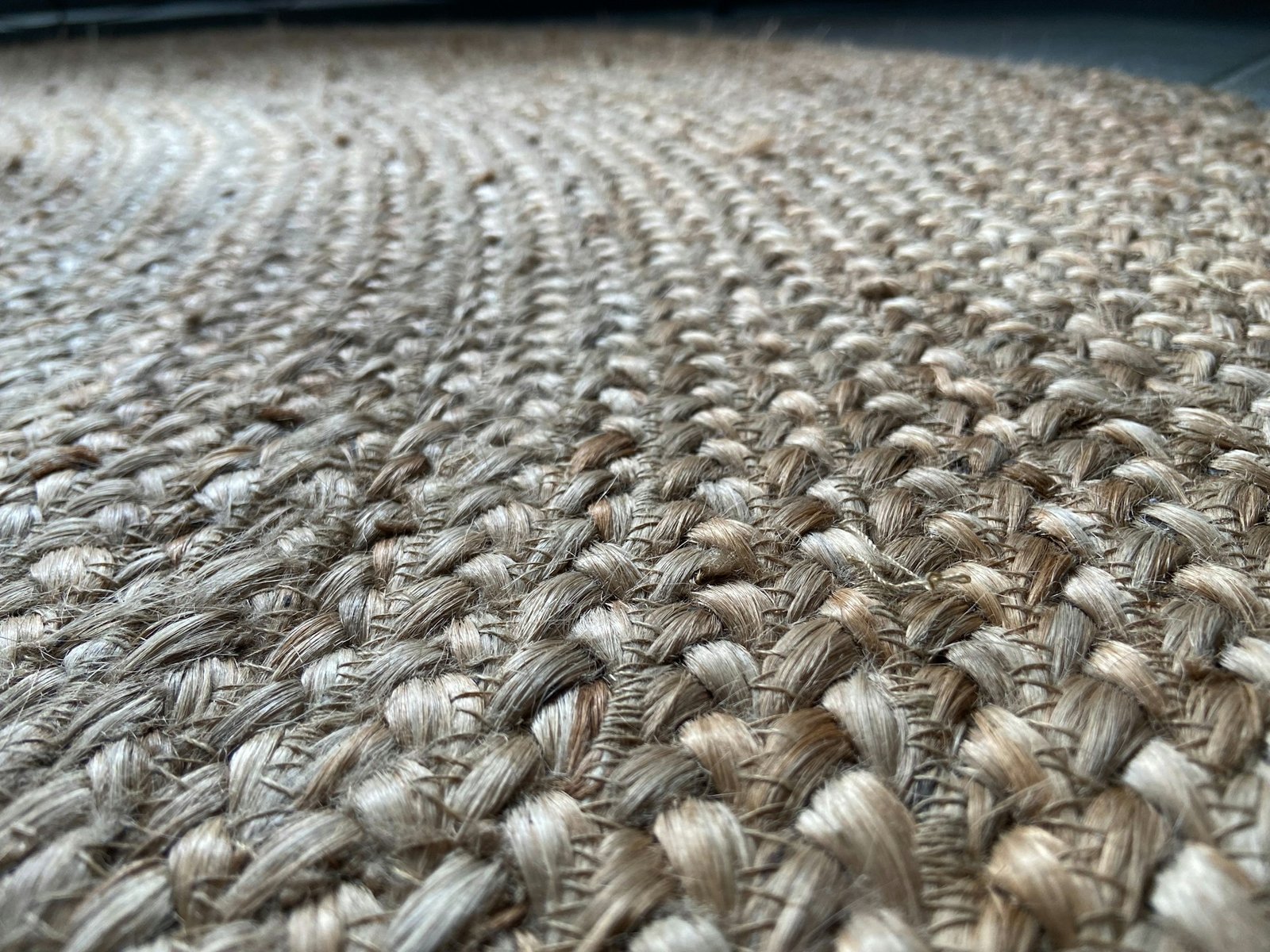
But even the most luxurious rug can fall short in performance if what lies beneath it is overlooked. Rug padding—or the lack of it—plays a crucial role in how a rug feels, wears, and protects both the flooring and those walking on it. For homeowners and designers who care about comfort, safety, and lasting value, understanding the role of rug padding is essential.
A Foundation for Comfort
One of the most immediate benefits of quality rug padding is the physical comfort it provides. Whether it’s underfoot in a living room, bedroom, or hallway, padding adds softness and resilience to every step. The difference is especially noticeable on hard flooring surfaces like hardwood, tile, or stone. A rug may look beautiful on its own, but without padding, it can feel flat and even harsh beneath your feet.
The right underlay also helps with insulation. Padding adds an extra layer between the rug and the floor, helping maintain room temperature and reducing noise. In apartments, townhomes, or multi-story homes, this added sound absorption makes a notable difference, creating a quieter, more peaceful environment.
Prolonging the Life of Your Rug
Rug padding is not just about comfort—it’s about longevity. Daily foot traffic, shifting furniture, and vacuuming create friction between a rug and the floor. Over time, that friction causes premature wear, weakens the backing, and damages the rug fibers. Padding acts as a buffer, absorbing much of the impact and protecting the rug’s foundation.
With the proper support, even antique or delicate rugs are better able to withstand years of use without curling edges, stretching, or threadbare spots. Investing in tailored rug underlays can extend the life of your rugs by years, keeping them vibrant, in-shape, and structurally sound for generations.
Protecting Floors and Preventing Damage
Without a rug pad, rugs can scratch hardwood, stain tile grout, or trap moisture between the rug and the floor. Certain rugs with coarse backings may cause fine scratches on surfaces over time—especially when dirt particles become embedded. In humid environments, rugs placed directly on the floor can also hold moisture, potentially damaging both the rug and the flooring underneath.
A good rug pad provides a protective barrier, reducing the chance of these issues. Some options even include vapor or moisture barriers, which are particularly useful in entryways, kitchens, or basements where spills or humidity are more common. For those who’ve invested in premium flooring, this added protection is a smart and worthwhile safeguard.
Safety First: Reducing Slips and Trips
One of the most practical, yet critical, reasons to use a rug pad is safety. Rugs without pads can slide, ripple, or bunch, creating a tripping hazard—especially on slick surfaces or in high-traffic areas. This is a serious concern in homes with children, elderly residents, or pets.
Modern rug pads are designed with non-slip backings that hold rugs securely in place, reducing movement without damaging floors. These pads also help rugs lay flatter, minimizing curled edges or corners. The added stability makes daily movement through the home safer and more confident for everyone.
Choosing the Right Rug Pad
Not all rug pads are created equal. The best pad depends on the type of rug, the flooring it rests on, and the function of the room. For example, thick felt pads offer maximum cushioning and insulation, making them ideal for large rugs in bedrooms or living rooms. Meanwhile, thin rubber-backed pads are excellent for entryways or kitchens, where traction and low profile matter more.
For delicate rugs or high-value pieces, professionals often recommend custom-fit solutions. A pad that’s cut precisely to the rug’s shape and size provides optimal performance and prevents unsightly overhangs or rolled edges. Some companies even offer eco-friendly or hypoallergenic options, which appeal to homeowners seeking more sustainable interior solutions.
Working with a rug care specialist ensures the pad chosen will not only fit well but will also be compatible with the materials in both the rug and the flooring. This prevents long-term chemical reactions, discoloration, or residue—issues that can occur when cheap or generic pads are used.
A Smart Addition to Any Design Plan
Home design is about creating spaces that are both beautiful and livable. The best interiors are not just visually polished—they’re thoughtful down to the last detail. Rug padding may be hidden, but its impact is felt daily. It makes rooms more comfortable, rugs last longer, and homes safer.
More than just a finishing touch, rug padding is a strategic component of smart interior planning. As design-savvy homeowners increasingly invest in high-quality rugs, incorporating the right underlay becomes an obvious next step.
Professionals in rug care and cleaning consistently recommend protective padding for area rugs as part of routine maintenance and design planning. It’s a simple upgrade that delivers both immediate and long-term benefits, supporting the beauty, function, and safety of your space.
Underneath It All, Quality Matters
While rugs may steal the visual spotlight, what’s underneath them matters just as much. A quality rug pad is a quiet hero—unseen but essential. Whether you’re furnishing a new space or preserving a cherished rug, adding the right pad is a choice that supports comfort, protects investments, and makes every step in your home a little softer, safer, and smarter.