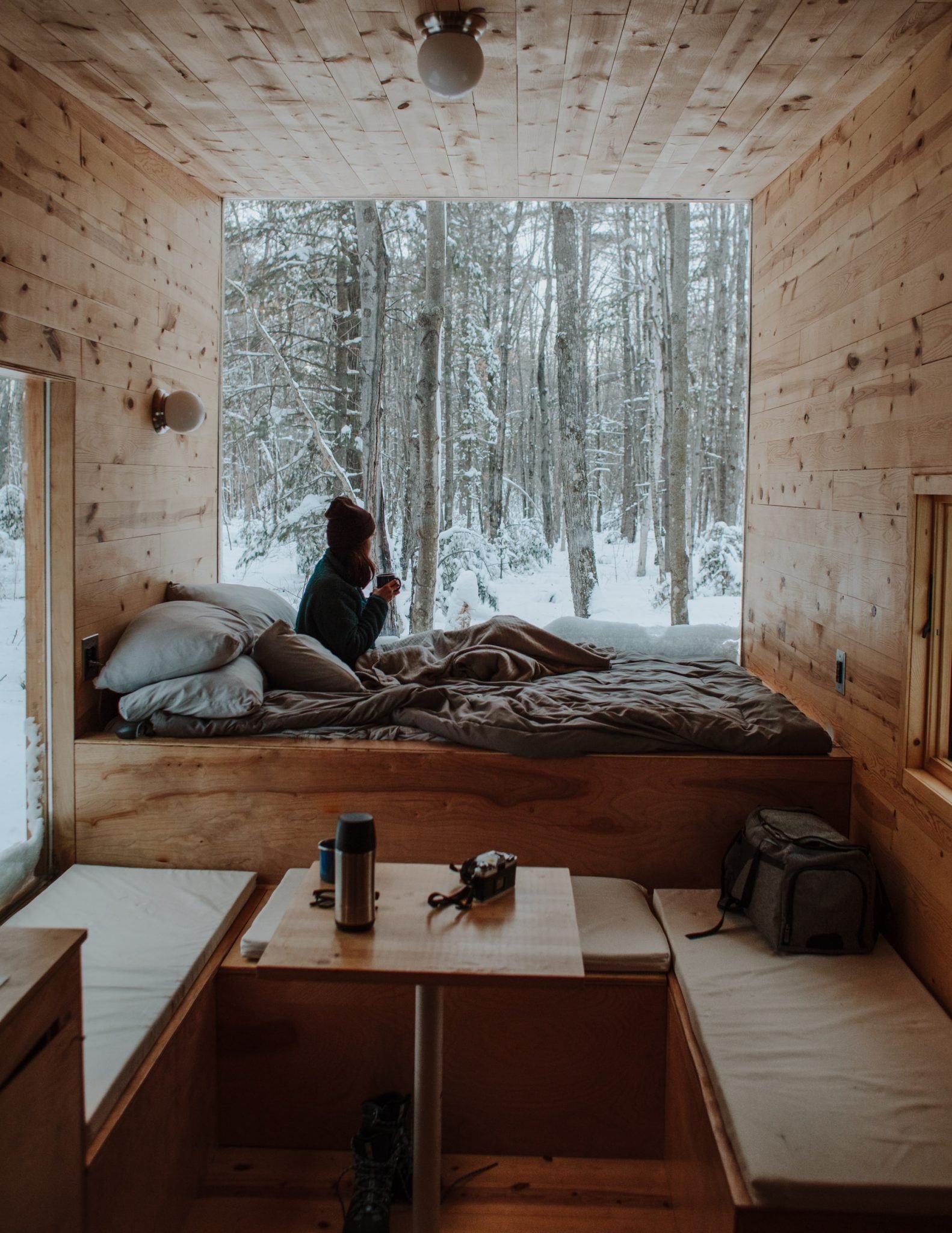
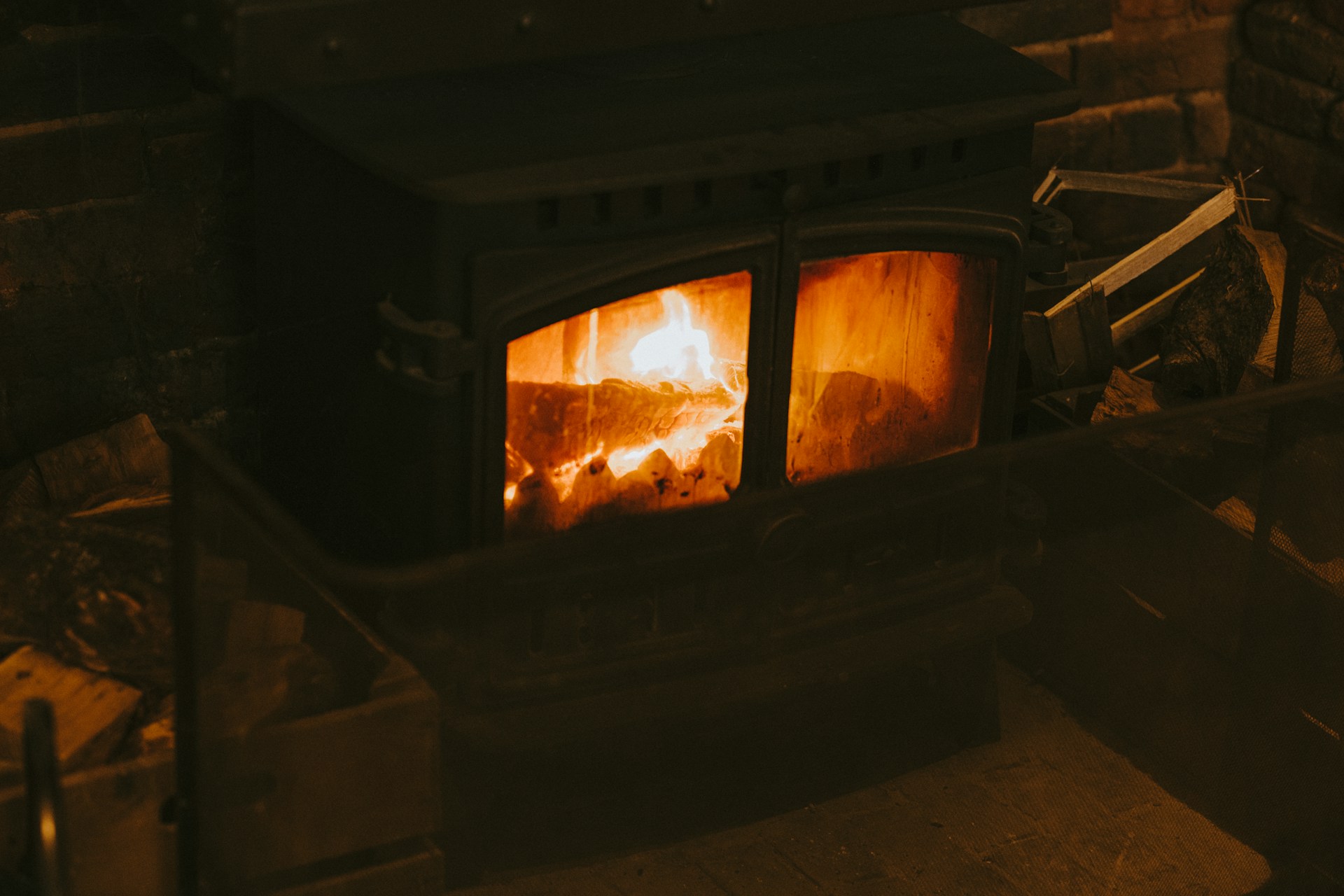
Every January, the same call floods service lines across New England: the heat died at 9 p.m., the house is at 54 degrees, and the kids are already in sleeping bags on the living room floor.
It is rarely bad luck. A furnace that fails in a cold snap has usually been sending signals for weeks, and nobody was listening.
Here is the thing about that timing. A heating system runs at its hardest during the first real cold stretch of the season, and it also picks up more strain across a long winter than your car sees in a full year of commuting. Anything marginal, a weak igniter, a clogged filter, a blower motor on its last bearings, tends to let go exactly when demand peaks. So the failure is not random. It is the predictable end of a slow decline that nobody scheduled time to catch.
If you live in this corner of the country, you probably already know how fast a forecast turns. Getting Heating Services in RI and Southeastern MA on the calendar before the first hard freeze is a genuinely different experience than calling at midnight with a house full of cold kids. One is a Tuesday appointment. The other is an emergency with a space heater plugged into an extension cord.
What a Cold Snap Does to a System Nobody Looked At
Your furnace or boiler has a fixed capacity. It was sized years ago to hold your house at a comfortable temperature on a design day, and it has been losing efficiency slowly ever since: dust settling on the heat exchanger, a filter starving the return air, a nozzle or burner drifting out of tune. The system still handles a 40 degree night without complaint. Then the temperature drops into the teens, it runs for hours without a break, and the margin you never knew existed disappears.
A few failures show up almost exclusively in deep cold. Condensate lines freeze on high-efficiency units. Oil lines gel. Older boilers short cycle until a circulator gives out. None of these are exotic problems, and all of them are cheaper to fix in October than in the middle of a cold snap when every technician in the region is booked solid.
The Three Signals Homeowners Talk Themselves Out Of
You will hear these three things in almost every emergency call, and every one of them is an early warning that got dismissed.
- Uneven heat. One room runs cold while another cooks. Usually air distribution or a failing zone valve, and it gets worse as the outdoor temperature falls.
- New noises. Banging, rumbling, or a blower that sounds like it is thinking about it before starting. That is wear you can hear weeks before you can feel it.
- Climbing fuel bills. Same house, same habits, noticeably more fuel used. Something is burning inefficiently or leaking heat somewhere it should not.
A fourth that almost nobody tracks: how long your system runs on a normal cold night. If it runs nonstop at 30 degrees, you are already at the edge, and the next cold front is your problem.
The Two-Visit Rule I Would Use If This Were My House
Most homeowners treat heating maintenance as one annual checkbox. I think that is the wrong shape, especially in New England. Here is the schedule I would run, and it costs far less than an emergency replacement.
Visit one: early fall tune-up. A technician cleans the burner or igniter assembly, checks the heat exchanger, tests the safety switches, and measures combustion. This is where you catch the igniter that is about to fail. Do this in September or early October, before the calendar fills.
Visit two: a mid-season ten minute self check, done by you. First week of January, change the filter, walk the basement or utility closet with a flashlight, and listen. Any new sound or smell earns a phone call. That is it. You are not repairing anything. You are taking a baseline reading with your eyes and ears.
The reason this works is that furnace failure is almost always a sequence, not an event, and a sequence gives you two chances to interrupt it. A single annual service gives you one.
When to Repair and When to Stop Paying for It
Eventually a service tech hands you a repair estimate, and you have to decide whether it makes sense to put money into a system that is already old. Here is how I would think about it, in plain terms.
| What You Are Facing | What I Would Do
|
|---|---|
| System under 12 years old, one failed part, repair under a fifth of replacement cost | Repair it. That is the cheap path almost every time. |
| System past 15 years, second major repair in three winters | Start pricing replacement now, before it fails in a cold snap. |
| Cracked heat exchanger or a carbon monoxide concern | Stop running it. That is a safety call, not a budget call. |
| Repeated short cycling that no tune-up fixes | Get a second opinion and a load calculation before you buy anything. |
The part people get wrong is buying an oversized replacement because the old one “couldn’t keep up.” Usually it could not keep up because it was never maintained, not because it was too small. Oversizing a furnace creates its own problems: short cycling, more wear, and a house that swings between hot and cold.
What Good Emergency Service Actually Looks Like
When the heat is out, the questions that matter are practical. Who answers the phone at 11 p.m., how fast can a technician actually get there, and do they carry common parts on the truck or will you wait two days for an igniter? Ask those before winter, not during a failure. Put the after-hours number on the fridge next to the pediatrician.
It also helps to know what an emergency call costs going in, and to have a plan for the hours in between. Shut off water to exterior lines, keep cabinet doors open on sink runs, and use a space heater in one closed room rather than trying to heat the whole house. Never run a generator or a grill indoors, and make sure you have working carbon monoxide alarms on every level. The Department of Energy has plain-language guidance on home heating and efficiency worth a read before you are forced into a decision.
One more thing: emergency repairs cost more than scheduled ones, and that gap is real. According to the Bureau of Labor Statistics, heating and cooling technicians are a skilled trade with demand that tracks the seasons, which means the best ones book up first when the weather turns. Getting on the schedule early is not just cheaper. It is the difference between a choice and whatever is left.
The Ten Minute Fall Walkthrough
Before you call anyone, run this yourself. It takes one evening and it will tell you whether you have a problem worth a service visit.
- Change the filter, and write the date on it with a marker. If it is gray after a month, your ductwork needs attention.
- Turn the thermostat up five degrees and time how long the system takes to respond. Slow response in mild weather is a warning sign.
- Walk the house and note any room that runs noticeably colder than the rest.
- Listen at the unit for new sounds and sniff for any oily or burning smell.
- Check the flue and the area around the unit for soot, rust, or moisture.
- Test every carbon monoxide alarm and replace the batteries.
- Pull last winter’s fuel bills and compare month to month. A jump with no change in habits is data.
- Find your model and serial number and photograph the label. You will want it when you call.
The point of the walkthrough is not to become a technician. It is to arrive at a service call with facts instead of a vague feeling that the house is cold.
Your Furnace Is Not Plotting Against You
It just does not get a vote. Equipment fails on the schedule its condition dictates, and cold weather is simply the test that exposes it. The homeowners who avoid the midnight emergency call are not luckier than you. They booked the fall tune-up, changed the filter in January, and called when something sounded different instead of waiting to see.
So here is the question worth answering tonight: when is the last time anyone actually looked at your system? If you cannot remember, that is your answer. Standards bodies like NIST spend real effort on how equipment performs under load, and the principle applies to the box in your basement too. It works until it does not, and the margin tells you which one is coming. Book the visit while the forecast is boring.