





Recovery involves more than making changes around substance use.
You may also spend time exploring your experiences, expressing yourself in new ways, and thinking about the kind of life you want to build.

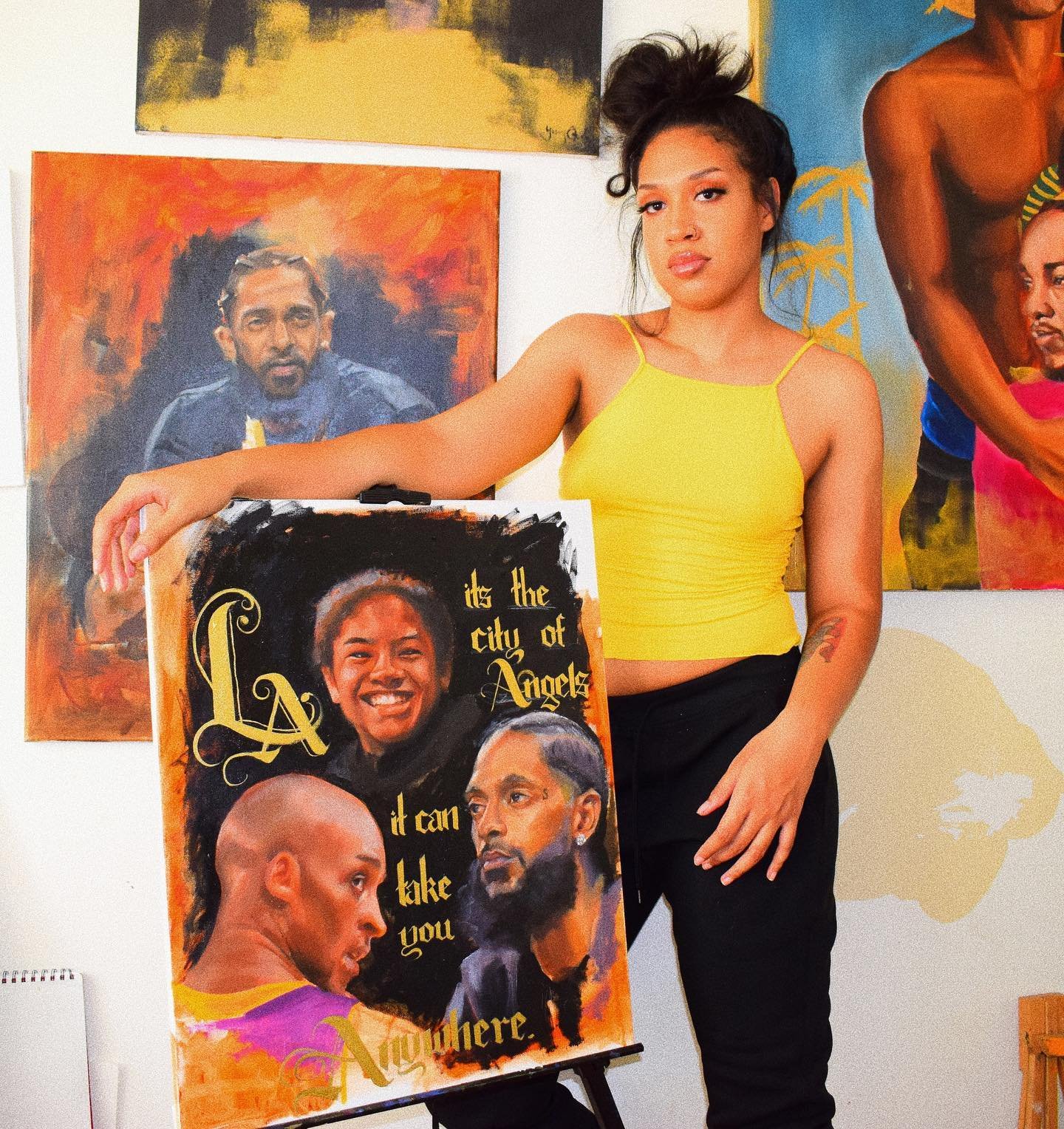
Creative activities can give you another way to explore that process. Drawing, painting, collage, writing, and other forms of artistic expression can create space for personal reflection during recovery.
For some people, putting an experience into an image or creative project can feel more natural than explaining it with words. With professional guidance, creative activities may also become part of broader addiction or mental health treatment.
If you are exploring ways to support your growth during recovery, artistic expression can offer a meaningful place to start. The sections below look at several ways creative activities may contribute to your recovery journey.
Express Emotions Beyond Words
Some emotions can be hard to explain. Shame, grief, anger, fear, and stress may feel too complex to describe during a conversation. Creative arts in recovery can give you a practical way to explore these feelings through drawing, painting, collage, or other creative activities.
You might use colors to show how you feel, create an image of a stressful experience, or make a collage that represents something important to you. The creative process can give you time to pause, explore your experience, and prepare for a deeper conversation about your recovery goals.
Talking about the work afterward can also help you put words to emotions that were difficult to express at first. A therapist or trained facilitator can help you connect those discoveries to your recovery goals.
Build Self-Awareness Through Creativity
Self-development is usually initiated by understanding yourself better. Creative exercises can help you recognize patterns in your thoughts, emotions, and behavior.
As an illustration, you could draw a picture of how stress influences you or do a visual activity to investigate what precedes a tough decision. The activity can help you examine connections between emotions, situations, and actions.
Better self-awareness can enable you to observe the influence of stress, conflict, isolation, or other experiences on your decision. You can also identify the patterns that affect cravings, reactions, or relationships. Such insights could be a part of a bigger discussion on coping skills, treatment needs, and recovery planning.
Reflect on Recovery Through Creative Work
Creative work can give you a physical record of your recovery journey. A drawing, collage, written piece, or visual timeline can capture your experiences at a certain point in treatment.
You might create a timeline that shows important changes, challenges, or milestones. You could also make an image that represents where you are in recovery today. Keeping these pieces together may help you track how your experiences and priorities develop over time.
Reflection can help you consider your progress, what you have learned, and where you want to grow next. Discussing this progress with a treatment team may help you identify areas that still need support and decide what to focus on next.
Develop Healthier Ways to Cope
Stress can make recovery more difficult, especially as you learn healthier ways to respond to difficult emotions. Creative activities may provide another way to pause, focus your attention, and explore what you are feeling.
You might create something that represents a stressful situation or explore an image connected to a craving or difficult emotion. The activity can help you look more closely at what happened before a strong urge or reaction.
Creative expression can work alongside other coping skills as part of a broader recovery plan. Your treatment plan may also include individual therapy, group work, recovery education, relapse prevention, family support, or care for co-occurring mental health concerns. A creative activity can be one part of that broader support.
As you practice pausing, identifying emotions, and choosing healthier responses, you may also build confidence in your ability to handle recovery challenges. Over time, these small steps can support personal growth by helping you approach recovery challenges with greater awareness and healthier choices.
Shape Goals for Life After Treatment
Recovery can involve thinking about the life you want to build. Creative activities can help you explore those goals in a more concrete way.
You might create an image of what a healthy routine looks like, map out changes you want to make, or use colors and symbols to represent safety and support. Such activities can help you think about the people, habits, environments, and choices that may play a role in your future.
Creative work can give you ideas to reflect on and discuss. You can use those reflections to explore your priorities and connect them with practical recovery plans.
Strengthen Connection Through Creative Work
Communication and connection can be assisted with the help of artistic expression. Some individuals are more comfortable starting a conversation by talking about an item they produced than by directly discussing a troubling experience.
Creative activities may take place individually or in a group, depending on your treatment plan and available services. You can share creative work to communicate freely, participate in group support, and foster better relationships in the recovery process.
Listening to others share their experiences may also help you feel connected and practice trust, openness, and healthy communication. The guidance of professionals may assist in case the creative work raises feelings of grief, trauma, guilt, or fear.
Bottom Line
During recovery, creative expression can give you space to express yourself, understand your patterns, reflect on your progress, and consider your future. It may also help you practice healthier responses and connect with others.
People of all skill levels and experience can take part in creative activities. The value comes from the process and what you learn from it.
With appropriate guidance, creative work can complement addiction and mental health treatment. Personal growth takes time, and creative expression can be one tool that helps you build confidence and move forward with greater awareness.