






Table of Contents
- Understanding Trauma and Its Effects
- The Role of Somatic Therapies
- Incorporating Mindfulness and Meditation
- The Benefits of Yoga in Trauma Recovery
- Energy Healing Practices
- Sound Therapy as a Healing Tool
- Integrating Holistic Approaches with Traditional Therapies
- Final Thoughts
Trauma creates lasting imprints that ripple through both our physical and psychological health, impacting daily living in subtle and profound ways. While traditional therapy paths primarily address the cognitive symptoms, a growing body of evidence supports holistic approaches that also involve the body and spirit. As the world embraces a more integrated approach to healing, combining modalities like mental health services Lehi with holistic practices paves a more comprehensive path toward recovery and well-being.
The aftermath of trauma often transcends what we can easily put into words, surfacing as chronic pain, persistent anxiety, and a sense of disconnection from oneself. Holistic healing targets these deeper wounds by integrating techniques that foster self-awareness, physical relaxation, and emotional regulation. Recognizing the complexity and resilience of the whole person is vital to the process, ensuring that healing extends not just to the mind, but to the entire being.
Understanding Trauma and Its Effects
At its core, trauma is the emotional, psychological, and physical aftermath of overwhelming and distressing experiences. It can result from incidents such as abuse, accidents, loss, or prolonged stress. Many individuals, even after the precipitating event has passed, continue to live with symptoms: anxiety, depression, hypervigilance, dissociation, and physical pain. The effects are rarely contained to the mind; research from Psychology Today notes that trauma is stored in the body as much as the brain, shaping posture, breathing, and overall health.
Addressing trauma necessitates acknowledging this wide reach. Without tending to both the psychological and somatic legacies of trauma, recovery can be incomplete, and symptoms may linger or resurface. This need for a holistic approach underpins the rise of integrated healing modalities.
The Role of Somatic Therapies
Somatic therapies address the body’s vital role in the healing of trauma. Far beyond talk therapy, these methods focus on how traumatic experiences are held in tension, pain, and physical sensations. Techniques such as Somatic Experiencing, body scan exercises, and gentle movements bring attention to where trauma has taken residence in the body. Practitioners help clients safely release stored tension and learn self-regulation tools.
Such body-based approaches are invaluable for individuals who find themselves unable to verbalize trauma or for whom discussing events can be re-traumatizing. Integrating somatic tools can restore a sense of agency and safety in one’s physical self, an essential foundation for long-term healing.
Incorporating Mindfulness and Meditation
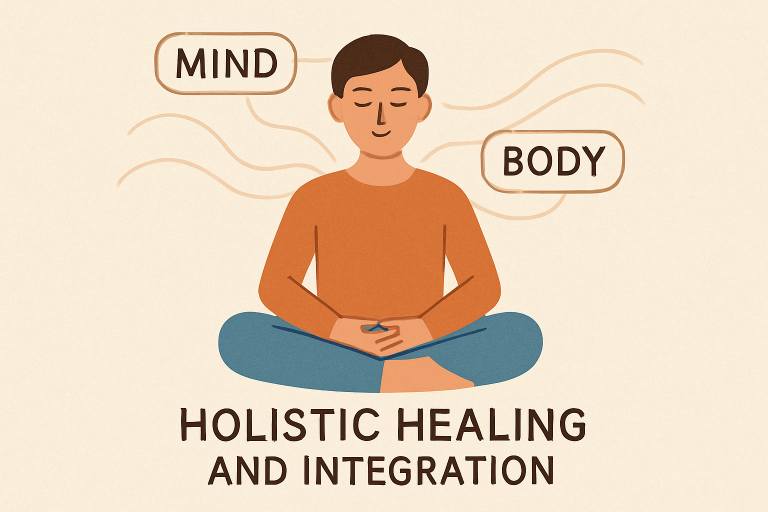
Mindfulness and meditation offer powerful techniques to re-anchor trauma survivors in the present, breaking cycles of rumination and fear. Practices may involve breath awareness, guided imagery, or mindful movement—each designed to cultivate non-judgmental awareness of the current moment. According to Harvard Health, regular mindfulness practice can reduce anxiety, foster emotional flexibility, and promote recovery from trauma.
By learning to focus on the present moment, individuals reclaim a sense of control and stability, gradually replacing overwhelming emotions with balance and resilience.
The Benefits of Yoga in Trauma Recovery
Yoga is much more than physical exercise; it becomes a therapeutic practice when integrated into trauma recovery. Structured around mindful movement, controlled breathing, and meditative focus, yoga helps survivors rebuild trust in their bodies. Trauma-sensitive yoga, in particular, is attuned to the unique needs of trauma survivors by emphasizing safety, choice, and accessibility. The National Institutes of Health (NIH) highlights yoga’s ability to decrease PTSD symptoms and increase body awareness, which is crucial for healing from trauma.
Energy Healing Practices
Energy healing approaches, such as Reiki and acupuncture, focus on removing energetic blockages and restoring balance to the body’s subtle energy systems. Advocates believe trauma disrupts the normal flow of energy, resulting in physical and emotional imbalance. These gentle, non-invasive practices can help ease chronic pain, reduce stress, and support emotional release, making them valuable complementary tools within trauma recovery programs.
Sound Therapy as a Healing Tool
Sound therapy incorporates healing vibrations and tones into the recovery process, utilizing instruments like Tibetan singing bowls, tuning forks, or gongs. The soothing frequencies encourage deep relaxation, helping the body and mind to release emotional blockages associated with traumatic memories. Studies suggest sound therapy can lower stress hormone levels and improve mood, offering a gentle but profound path to restoration for survivors.
Integrating Holistic Approaches with Traditional Therapies
The most effective trauma treatment models are increasingly multidisciplinary, integrating holistic approaches with evidence-based therapies, such as Cognitive Behavioral Therapy (CBT) and Eye Movement Desensitization and Reprocessing (EMDR). Working with skilled professionals who can tailor a plan blending holistic practices with traditional mental health therapy allows trauma survivors to address the psychological and physiological symptoms concurrently. This synergy can accelerate recovery, deepen healing, and foster true resilience.
Final Thoughts
The path to healing from trauma benefits profoundly from a holistic approach that honors the mind-body connection. By embracing somatic therapies, mindfulness, yoga, energy healing, and sound therapy alongside conventional mental health interventions, individuals empower every part of themselves to heal. With a comprehensive plan, recovery extends beyond symptom management to encompass genuine transformation and overall well-being.