


“Patients increasingly pursue laser hair removal for long-term convenience, reduction of ingrown hairs, and improved skin quality rather than purely cosmetic reasons.”
— Journal of Cosmetic Dermatology
Hair Removal Is One of the Most Repetitive Beauty Tasks People Perform for Decades
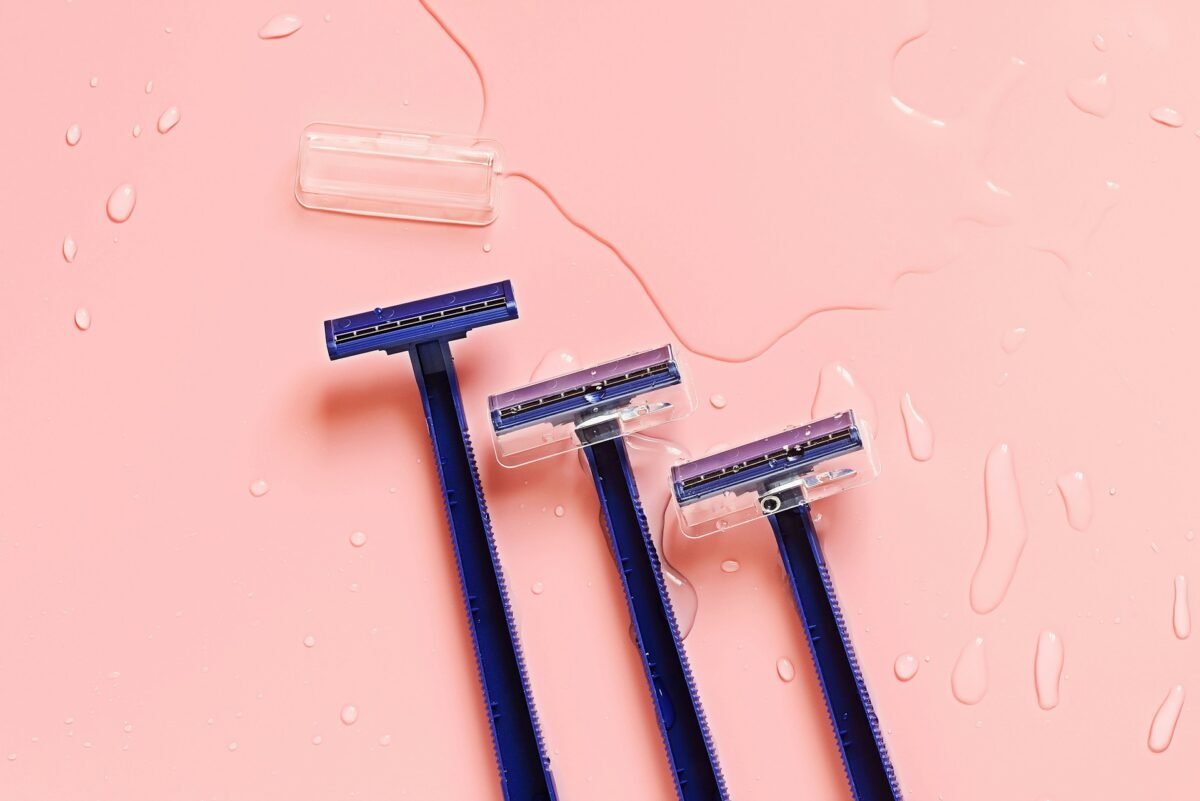
Most people never calculate how much time hair removal actually consumes because the routine starts early and becomes automatic almost immediately. Shaving before work. Waxing before vacations. Tweezing in car mirrors under psychologically hostile lighting. Buying razors constantly. Forgetting razors while traveling and behaving as though civilization itself may collapse as a result.
The maintenance becomes so normalized that people stop recognizing it as labor.
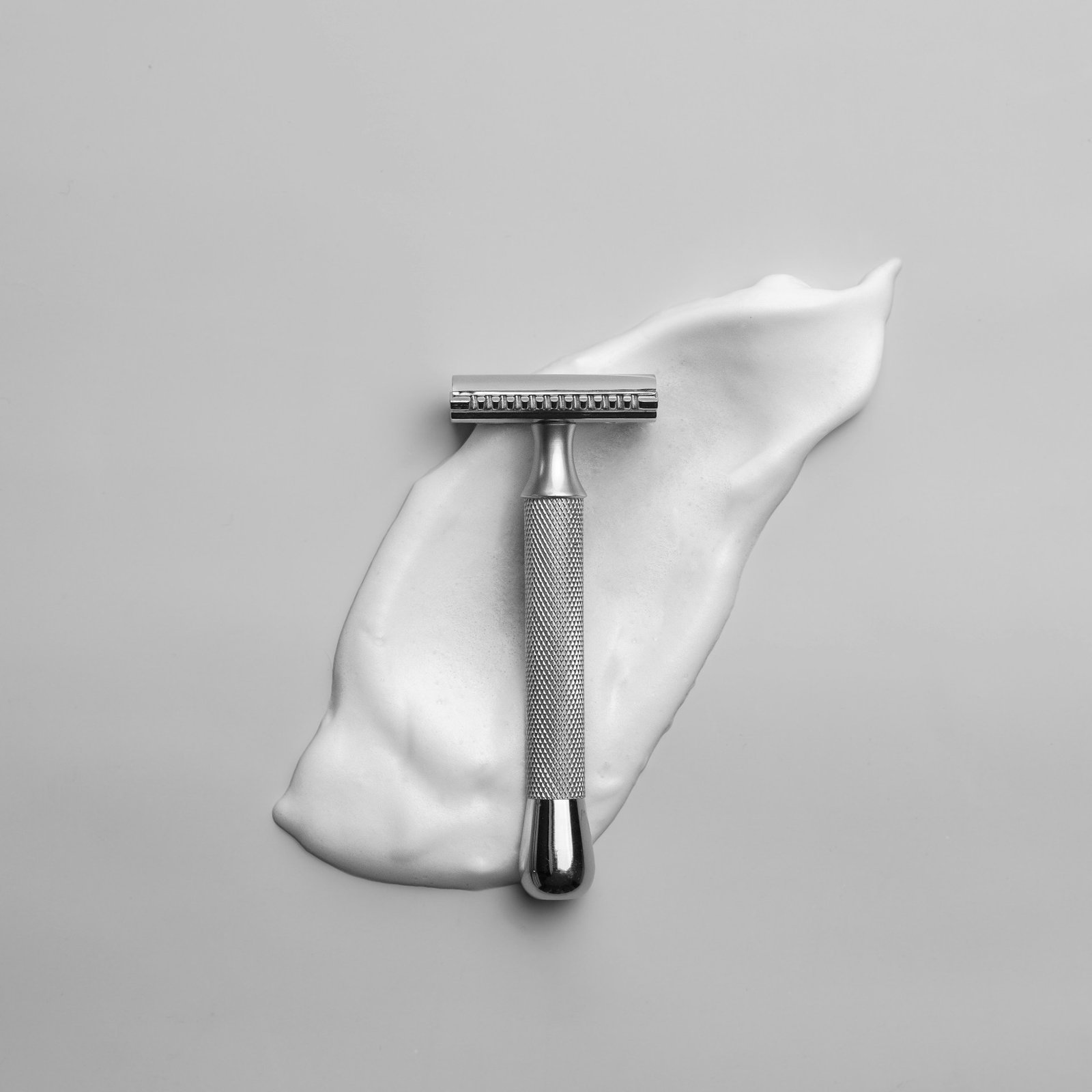
And yet, from a dermatological perspective, repetitive hair removal places ongoing stress on the skin barrier over time. Frequent shaving may contribute to irritation, razor burn, microtrauma, folliculitis, post-inflammatory pigmentation, and ingrown hairs, particularly in areas exposed to friction or coarse regrowth. Waxing, while effective temporarily, can also trigger inflammation and sensitivity in susceptible skin types.
For many patients, the appeal of laser hair removal has less to do with glamour than exhaustion. They are tired of managing the cycle itself.
Why More Patients Are Choosing Long-Term Hair Reduction Solutions
The aesthetics industry has shifted noticeably toward maintenance-focused treatments over the last several years. Patients increasingly prioritize procedures that simplify routines, reduce repetitive upkeep, and support overall skin quality rather than dramatic cosmetic transformation.
Laser hair removal fits directly into that broader movement.
According to the American Society of Plastic Surgeons, laser hair removal remains one of the most commonly performed minimally invasive cosmetic procedures. Its popularity continues across multiple age groups largely because the treatment addresses a practical concern people deal with consistently for years.
Common Reasons Patients Seek Laser Hair Removal
Patients often pursue treatment for reasons such as:
- chronic ingrown hairs
- persistent razor irritation
- folliculitis
- post-shaving pigmentation
- sensitive skin
- athletic convenience
- reducing daily maintenance
- smoother skin texture
- travel convenience
- reducing repetitive waxing appointments
Interestingly, many consultations now focus less on aesthetics alone and more on quality of life improvements.
Laser Hair Removal Works Differently Than Traditional Hair Removal Methods
Unlike shaving or waxing, laser hair removal targets pigment within the follicle itself during active growth phases. The goal is not simply surface-level hair removal. The treatment works by damaging targeted follicles in ways that reduce future growth cycles over time.
Because hair grows in multiple phases, treatments are typically spaced strategically across several sessions to maximize effectiveness.
“Laser hair removal provides long-term hair reduction through selective photothermolysis of the hair follicle while minimizing surrounding tissue damage.”
— Dermatologic Surgery Journal
The process itself has evolved significantly as laser technology has improved. Earlier systems were more limited in their ability to safely treat diverse skin tones and hair types. Newer technologies allow for more individualized approaches based on skin sensitivity, pigment levels, follicle density, and treatment areas.
That individualized assessment matters more than many patients realize.
Not All Skin Responds the Same Way to Repetitive Hair Removal
One of the most overlooked aspects of hair removal conversations is how differently skin tolerates ongoing irritation. Some patients experience minimal issues from shaving for years, while others develop chronic inflammation, painful ingrown hairs, textural irregularities, or pigmentation concerns relatively quickly.
Areas exposed to repeated friction such as the bikini line, underarms, neck, and legs are particularly vulnerable to irritation-related skin changes over time.
Research published through dermatology literature has shown that recurrent follicular trauma may contribute to inflammatory hyperpigmentation and persistent irritation in some individuals, especially among patients prone to sensitive skin conditions.
Signs Repetitive Hair Removal May Be Irritating the Skin Barrier
Patients commonly notice:
- razor bumps
- darkened areas after shaving
- persistent redness
- itching
- recurring ingrown hairs
- rough texture
- inflammation after waxing
- sensitivity from frequent exfoliation
In many cases, reducing the frequency of mechanical hair removal can significantly improve overall skin comfort and appearance.
The “Low Maintenance” Beauty Trend Is Not Actually Low Maintenance
Modern beauty culture loves the illusion of effortlessness. Smooth skin. Minimal makeup. “Clean girl” aesthetics. Athleisure paired with medically intimidating levels of hydration. The current beauty ideal revolves around appearing polished without visible effort. Ironically, maintaining that appearance often requires substantial maintenance behind the scenes.
This is partly why treatments that reduce repetitive upkeep continue seeing strong demand. Patients are increasingly interested in streamlining routines rather than adding more steps to them. Laser hair removal sits directly inside that shift because it addresses one of the most repetitive beauty maintenance tasks many adults perform consistently for decades.
Patients seeking longer-term convenience and reduced irritation are increasingly exploring treatments designed to support effortless hair-free skin without the constant cycle of shaving, waxing, and recurring ingrown hairs.
Questions Patients Should Ask Before Starting Laser Hair Removal
Before beginning treatment, patients should discuss:
- expected number of sessions
- device suitability for their skin tone
- realistic treatment outcomes
- sun exposure precautions
- post-treatment care recommendations
- hormonal factors affecting hair growth
- risks of pigmentation changes
- sensitivity concerns
A thorough consultation remains essential because treatment outcomes vary based on hair density, pigment contrast, hormonal influences, and individual skin response.
The Appeal Is Often Simpler Than People Think
The beauty industry tends to overcomplicate the conversation surrounding laser hair removal, usually by framing it either as luxury self-care or superficial vanity. For most patients, the motivation is substantially less dramatic.
They are tired of shaving.
Tired of razor burn. Tired of waxing appointments. Tired of ingrown hairs. Tired of planning vacations around whether they remembered to remove body hair beforehand. Tired of maintenance routines that reset every few days indefinitely. The appeal of laser hair removal is often not perfection. It is consistency. Simplicity. Less irritation. Less upkeep. Less mental bandwidth spent managing something that never fully stops growing back.
And honestly, that level of convenience is probably why the treatment continues becoming less of a cosmetic trend and more of a lifestyle decision altogether.