


There are moments in life that stay with you forever.
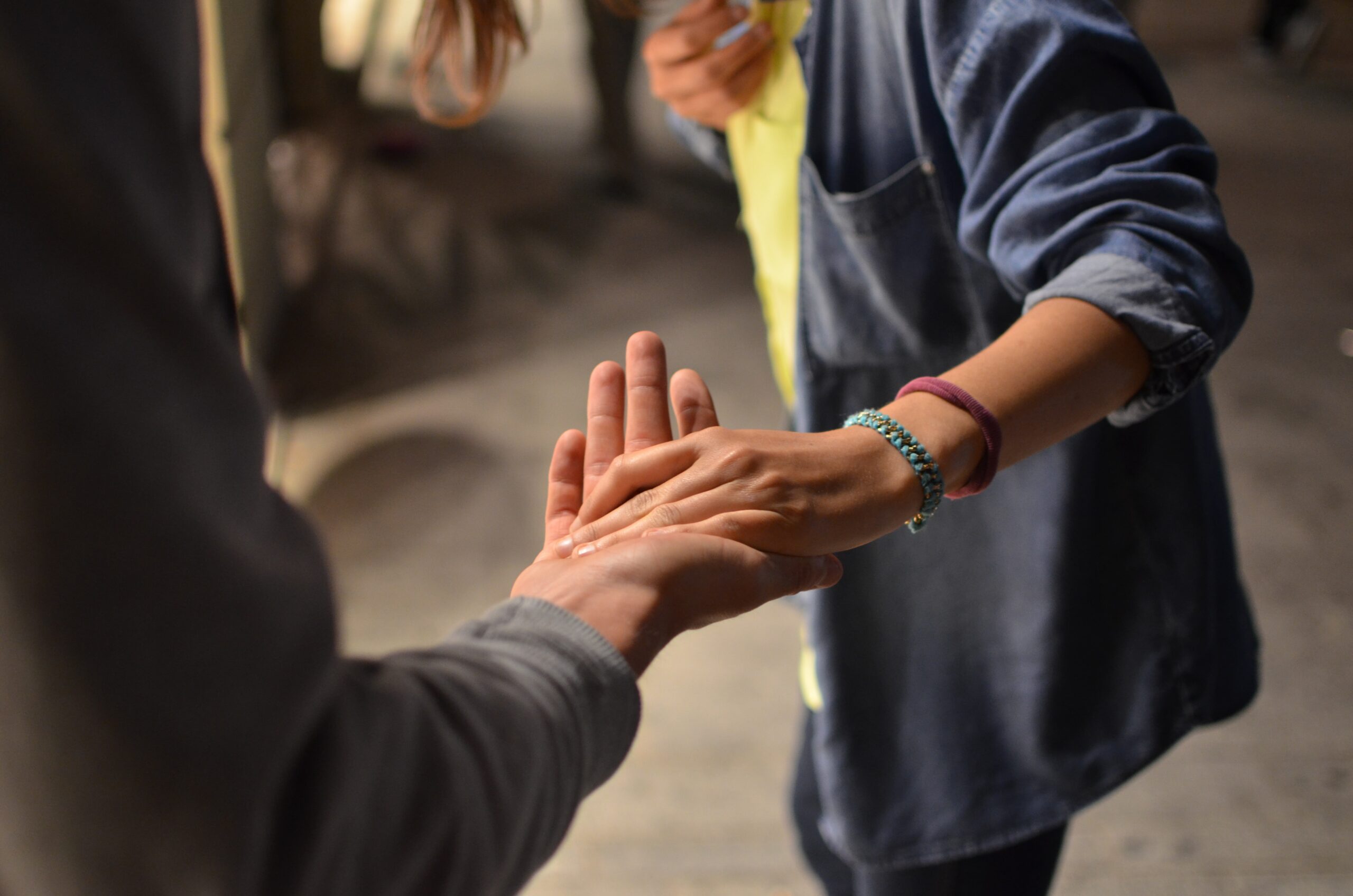
It could be a moment with a teacher who defended the quiet kid in class, and it stuck with you. Perhaps it was the neighbour who checked on the sick and older adult down the street and brought them cookies.
It’s these small, seemingly unimportant acts of kindness that tend to stick with us. Why? It’s because they remind us what it really means to be human. It’s hard to say.

Vulnerability is everywhere you look; it’s not rare, nor is it scarce. The way we as a people protect and help those who are most vulnerable is a great reflection of our humanity.
In this article, we’ll talk about how by protecting the vulnerable, we are bettering ourselves, plus we’re creating a better society and place to live in.
The Role of Family and Community
Family is (usually) the first line of defense when it comes to protecting the most vulnerable (children and our elderly). These two groups are the ones who most often find themselves on the margins and rely on those who are closest to them for safety and care.
You can see how deeply this value runs across cultures, with some societies holding their elders in the highest regard, while others prioritize the well-being of children above all else.
But protection doesn’t (and shouldn’t) stop with family.
It’s the whole community that should step up and act as the safety net, with all neighbors looking out for each other and protecting our kids, or older neighbors, together.
What makes all of this possible is trust.
Art and Creativity – The Voice of the Vulnerable
Words can’t always capture everything… say what we want to say. Art can.
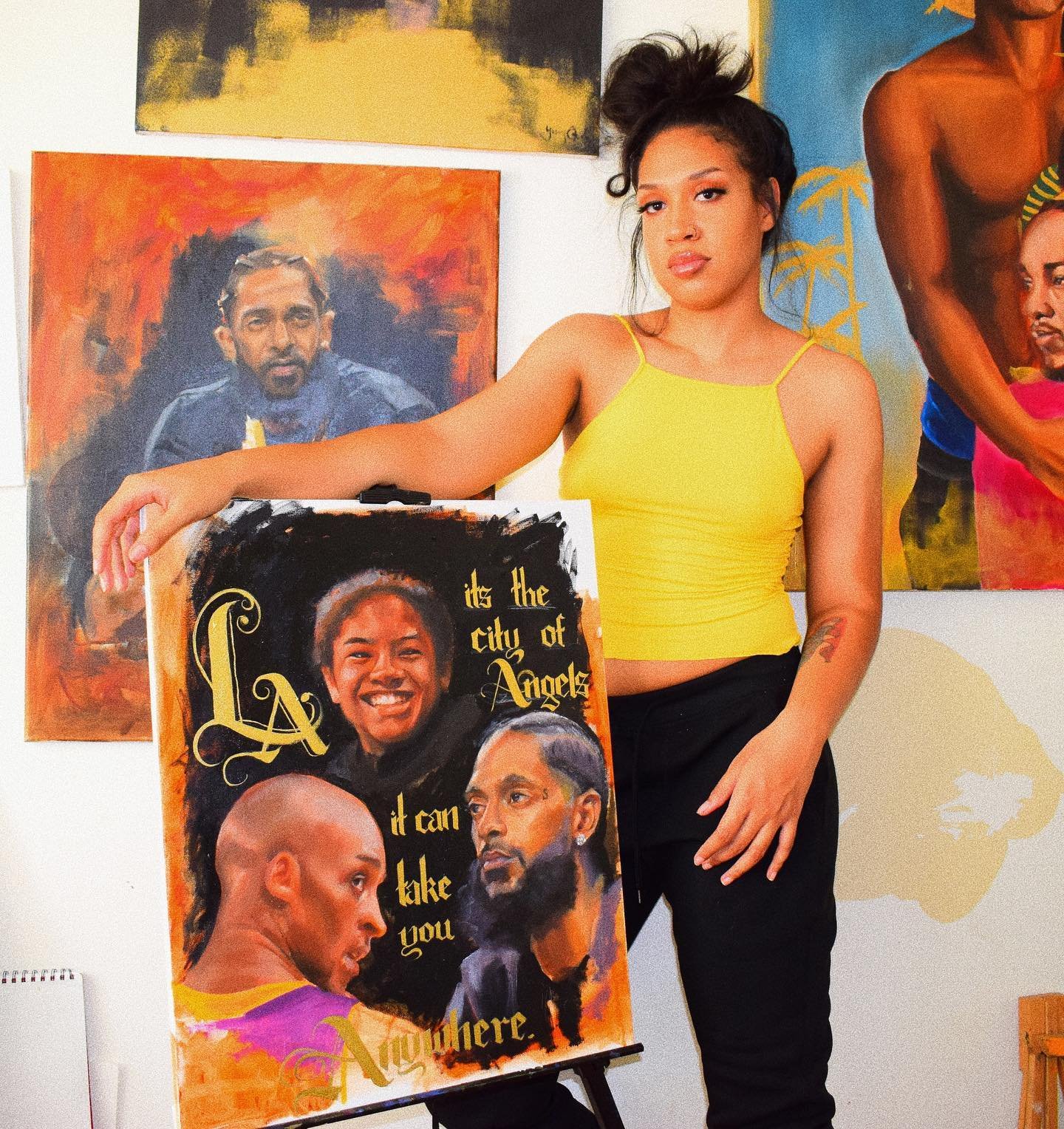
If someone is grieving, they can ‘say’ that by turning it into a painting. If you’re being forced to live with injustice, then a photograph can help encapsulate, ‘freeze’ that moment of struggle and help you deal with it. Art starts when words stop. Words hold no power here. A stroke of a brush can hold the same weight as a 1000-page book. It depends on what the person holding the brush is feeling. All these art forms are gateways into a dimension we can’t see – the human mind and human emotions.
Throughout history, artists have used their work to raise awareness on inequality/oppression. They helped make the invisible visible and demonstrate it to the public.
Regardless of whether it’s a stage, a canvas, print, digital, or abstract numbers, it doesn’t matter – they helped turn tragedies into something real and tangible.
They help share stories that we don’t know how to turn into words.
Responsibility For Everyone
The whole system has the responsibility to protect the most vulnerable members of society.
Here are a few examples:
Government
Laws (and systems implemented by those laws) are put into place so that they can be the first shield for people who can’t defend themselves.
The government has power over education, healthcare, justice, security, safety, social, our rights, the whole infrastructure that surrounds us, …
When schools get proper funding, children aren’t as likely to be left behind. When healthcare is accessible, families don’t need to choose between medicine and food.
How well a society designs and enforces protections like these says everything about what it values and who it’s willing to leave vulnerable.
Activism/Advocacy
If there are certain laws in place, you’d expect institutions to follow them, but that’s not always the case. Here’s where advocacy and activism can be of great importance. And it’s thanks to nonprofits and non-governmental organizations (NGOs) that we’re stepping in the right direction.
You can always remember civil rights campaigns or women’s suffrage movements and recent pushes for climate justice – it’s always been activism that’s consistently turned the frustration of the public into real policy changes. It might’ve been slow. But it became real. It worked.
These groups often operate on the ground, directly with the people who are most affected, which gives them both credibility and urgency.

Collective Awareness
Governments write laws, activists drive change. But the broader public also has some responsibility.
The media shapes what people know, how they feel, and in the end, how they act. When the public ignores problems, the consequences are abuse and neglect. Just look at the Sangamon County Juvenile Center sexual abuse lawsuit; it’s the perfect example of the aftermath of institutional neglect.
But when communities talk openly, there’s more awareness; silence loses its power.
Collective awareness won’t just expose issues but also build momentum for reform to encourage accountability and make sure the most vulnerable people don’t need to fend for themselves alone.
Conclusion
The way you treat a vulnerable person speaks volumes about who you are as a person. The way your community treats the most vulnerable among them speaks about who they are.
It’s all a reflection of who we are, at every level, and protecting those who can’t protect themselves means you’re choosing empathy over indifference. It’s connection over isolation.
History has always shown that, when people come together to defend those nobody cares about, society gets stronger and cultures become richer.