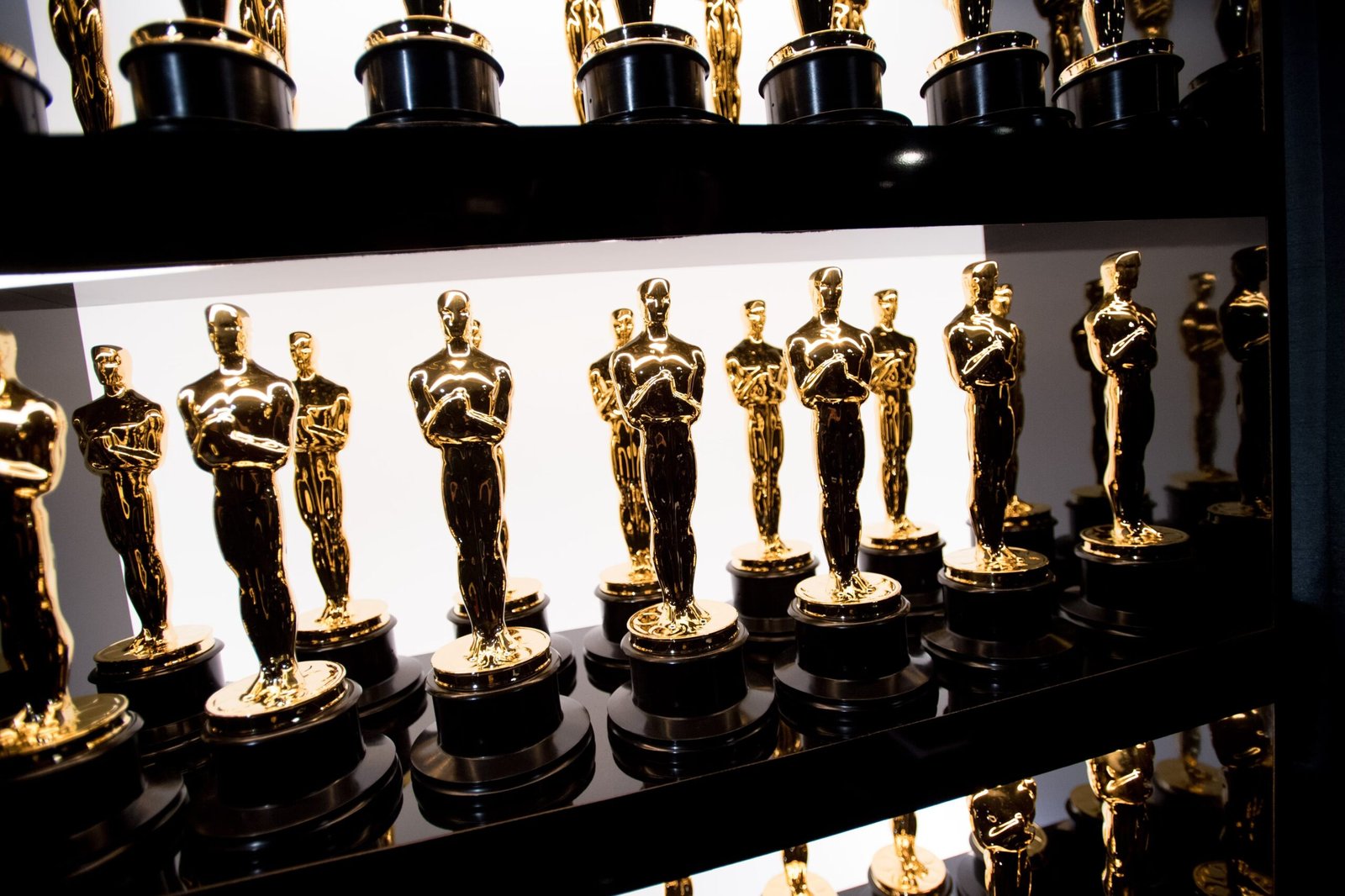




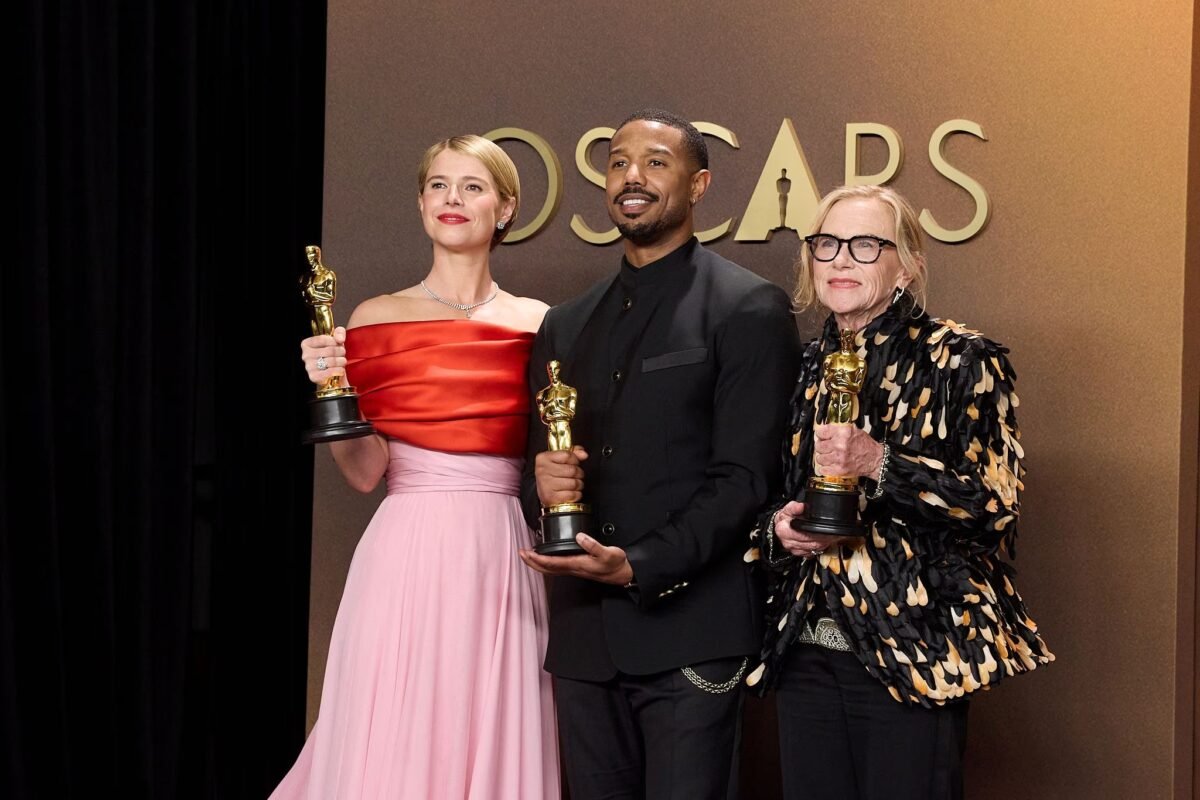

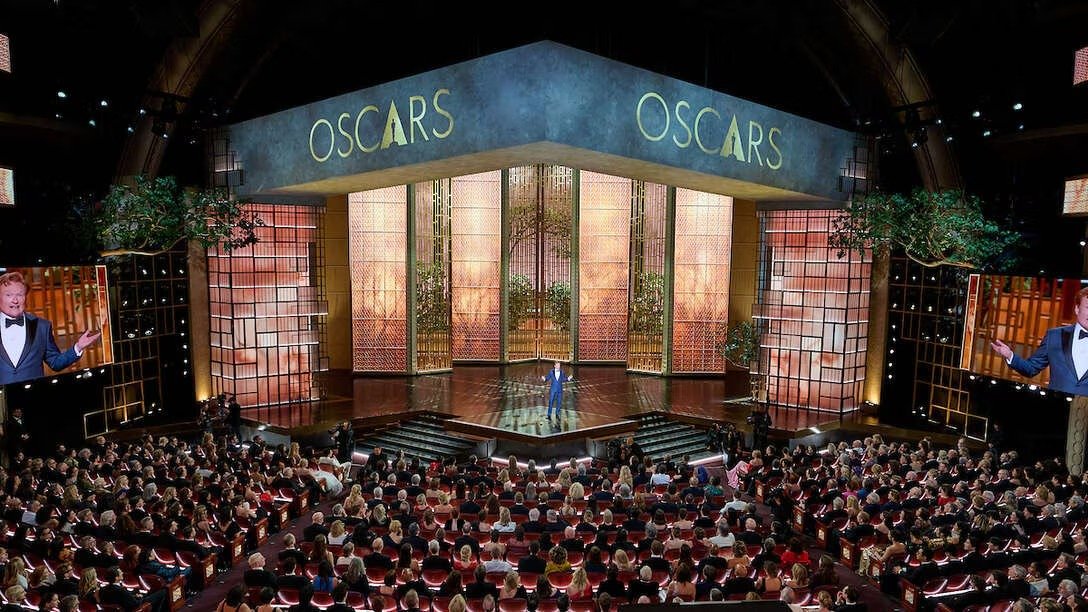
On March 15, 2026, the 98th Academy Awards returned to the Dolby Theatre in Hollywood. The couture on the carpet, emotional speeches, and a runtime long enough to test anyone’s attention span, this year’s Oscars still felt special.
The award show felt less like a celebration of tradition and more like a quiet turning point for the film industry. For the first time in years, the night wasn’t dominated by safe bets. It belonged to bold storytelling, unexpected wins, and creators who didn’t follow the formula. The films dominating the conversation didn’t happen by accident. They are the results of masterclasses in intellectual property (IP) control, strategic market expansion, and premium brand positioning.
Here is the direct, data-driven breakdown of Hollywood’s current landscape, focusing on the real financial maneuvers behind 2026’s biggest contenders and winners.
1. Sinners: The Ultimate Play for IP Ownership
Ryan Coogler and Michael B. Jordan didn’t just make a vampire movie; they executed one of the most ruthless and brilliant business deals in modern Hollywood history.
-
The Budget: $90 million
-
The Global Box Office: $369.2 million
-
The Oscar ROI: 16 nominations (an all-time record), 4 Wins (including Best Actor for Jordan and Best Original Screenplay for Coogler)
Through Coogler’s Proximity Media and Jordan’s Outlier Society, the duo didn’t wait for a studio greenlight. They developed the project in stealth mode, self-funded the initial packaging, and then shopped it to the major studios, sparking a massive bidding war. Warner Bros. won, but Coogler and Jordan secured the holy grail of creative entrepreneurship: reversion rights and first-dollar gross.
The Business Lesson: Own your work. By ensuring the copyright of Sinners reverts back to them after 25 years, Coogler and Jordan treated their film like a tech founder treats equity. They didn’t just negotiate a massive paycheck; they built a generational asset that yielded a nearly 4x multiplier on its production budget at the box office. When you have the leverage, demand ownership. The word of the year is ownership.
2. Marty Supreme: Transforming a Niche into a Premium Commodity
Josh Safdie’s Marty Supreme is a prime example of finding product-market fit in the most unexpected places and scaling it aggressively. Safdie pivoted his brand, teaming up with Timothée Chalamet—who didn’t just star, but stepped up as a producer.
-
The Budget: $70 million (A24’s most expensive production to date)
-
The Domestic Box Office: $80+ million (Surpassing Everything Everywhere All at Once as A24’s highest-grossing domestic film ever)
-
The Oscar ROI: Major nominations across the board (Best Picture, Best Director, Best Actor)
They took an incredibly niche concept (a 1950s ping-pong hustler) and packaged it into a premium commodity. It’s the equivalent of a startup taking highly specialized B2B software and marketing it so brilliantly that it goes mainstream.
The Business Lesson: Lean into the micro-niche with maximum capital. You don’t need a broad, generic product if you can create a cult-like obsession among a specific demographic. By combining a gritty, unconventional story with a massive $70 million budget and star-power financing, they mitigated the risk while maximizing the cultural cachet.
3. One Battle After Another: The Blue-Chip Acquisition Strategy
While indie disruptors make noise, sometimes the most effective strategy is acquiring legacy, blue-chip assets. Paul Thomas Anderson’s One Battle After Another swept the top categories by acting as the ultimate prestige aggregator.
-
The Oscar ROI: 6 Wins, including Best Picture, Best Director (Anderson), Best Adapted Screenplay, and Best Supporting Actor (Sean Penn).
The Business Lesson: Talent density wins. By assembling a staggering roster of legacy talent (Anderson, Sean Penn, Leonardo DiCaprio, Teyana Taylor), the film operated like a mutual fund of guaranteed returns. It secured the ultimate validation—Best Picture, proving that investing heavily in proven, top-tier human capital remains one of the safest bets in any industry.
The Campaign Trail is B2B Marketing
In reality, an Oscar campaign is a B2B (business-to-business) marketing funnel aimed at a highly exclusive voting body of roughly 10,000 Academy members. Studios and production companies spend upwards of $10 million to $20 million on these “For Your Consideration” campaigns. Why spend that much for a $400 gold statue? Because the ROI is exponential:
-
The Box Office Bump: A Best Picture nomination can keep a movie in theaters weeks longer, directly inflating revenues by 15% to 20%.
-
The Streaming Multiplier: Award-winning films command significantly higher licensing fees when sold to streamers like Netflix or Apple.
-
Founder Valuation: For directors and producers, an Oscar win instantly doubles their asking price for their next project. It is the equivalent of a massive Series B funding round.
Everything is strategic when it comes to making a name for yourself in Hollywood.