



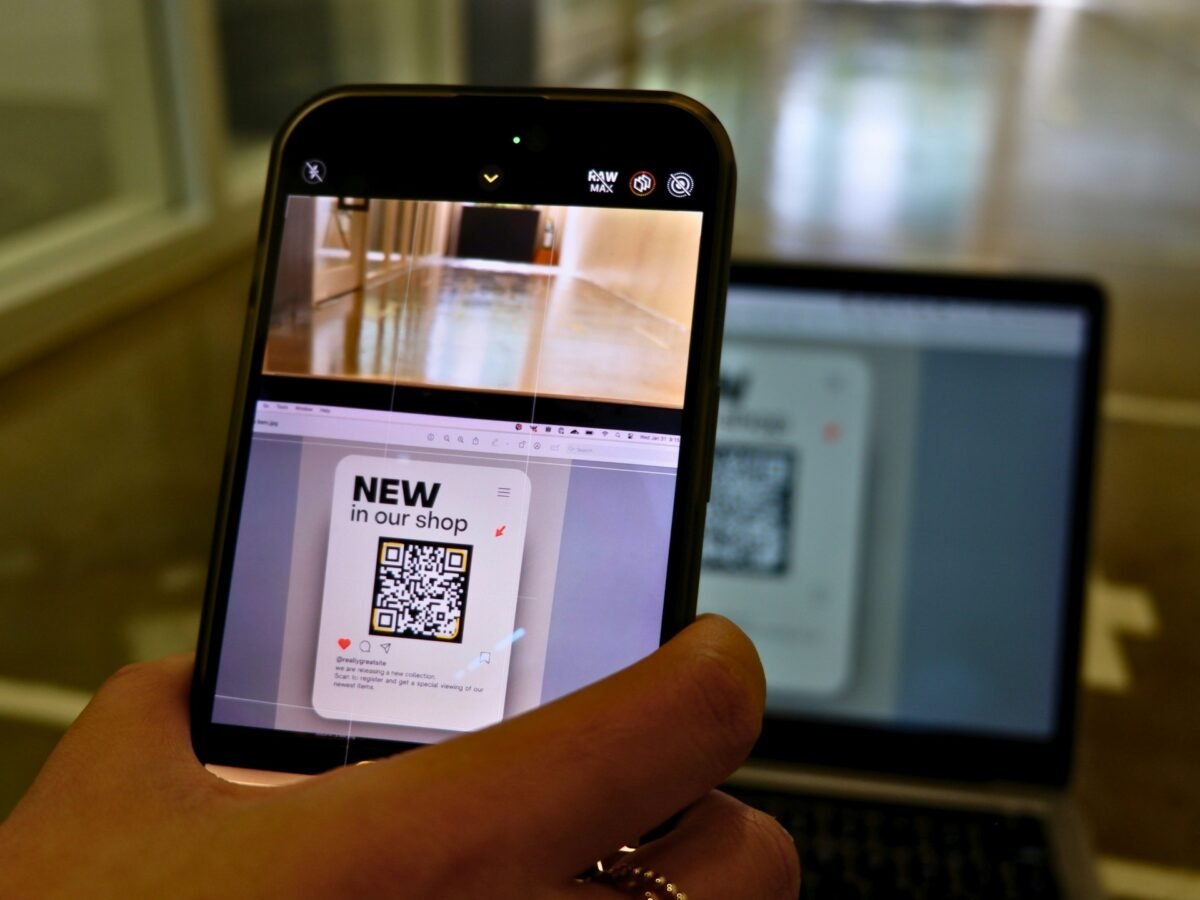

Events are full of small bottlenecks. Registration queues build before the keynote. Printed agendas go out of date. Sponsors ask for lead data. Attendees lose floor plans. Feedback surveys arrive too late, when everyone has already moved on.
QR codes are useful in events because they meet people at the physical moment of need. The attendee is standing at the entrance. The sponsor is talking to a prospect. The delegate is looking for the next session. The QR code does not ask anyone to search, download, or remember. It gives them the next step immediately.
That makes QR codes one of the simplest event technologies to deploy well, provided they are planned as part of the attendee journey rather than added at the last minute.
Registration and Check-In
The clearest use case is check-in. Attendees receive a unique code before the event. Staff scan it at the door, confirm the booking, and print or issue the badge. For larger events, this reduces queues and lowers the chance of manual entry errors.
Even for smaller events, QR-based check-in can help organizers know who actually arrived. That matters for catering, room capacity, post-event follow-up, and sponsor reporting.
The process needs a backup plan. Phones die, emails disappear, and some guests will arrive without their code. A good registration desk can search by name as well as scan.
Agendas That Can Change
Printed programs are often wrong by lunchtime. Speakers run late, rooms change, sponsor sessions move, and breakout topics shift.
A QR code on badges, signs, and printed handouts can point attendees to the live agenda. Organizers can update the destination without reprinting anything. This is especially useful for multi-track conferences where attendees need to make decisions quickly.
The live agenda should be simple. People scanning in a hallway need room names, times, session titles, and directions. Extra content can sit behind the session page, but the first screen should answer the immediate question: where do I go now?
Sponsor Lead Capture
Sponsors care about visibility, but they renew because of results. QR codes can make those results clearer.
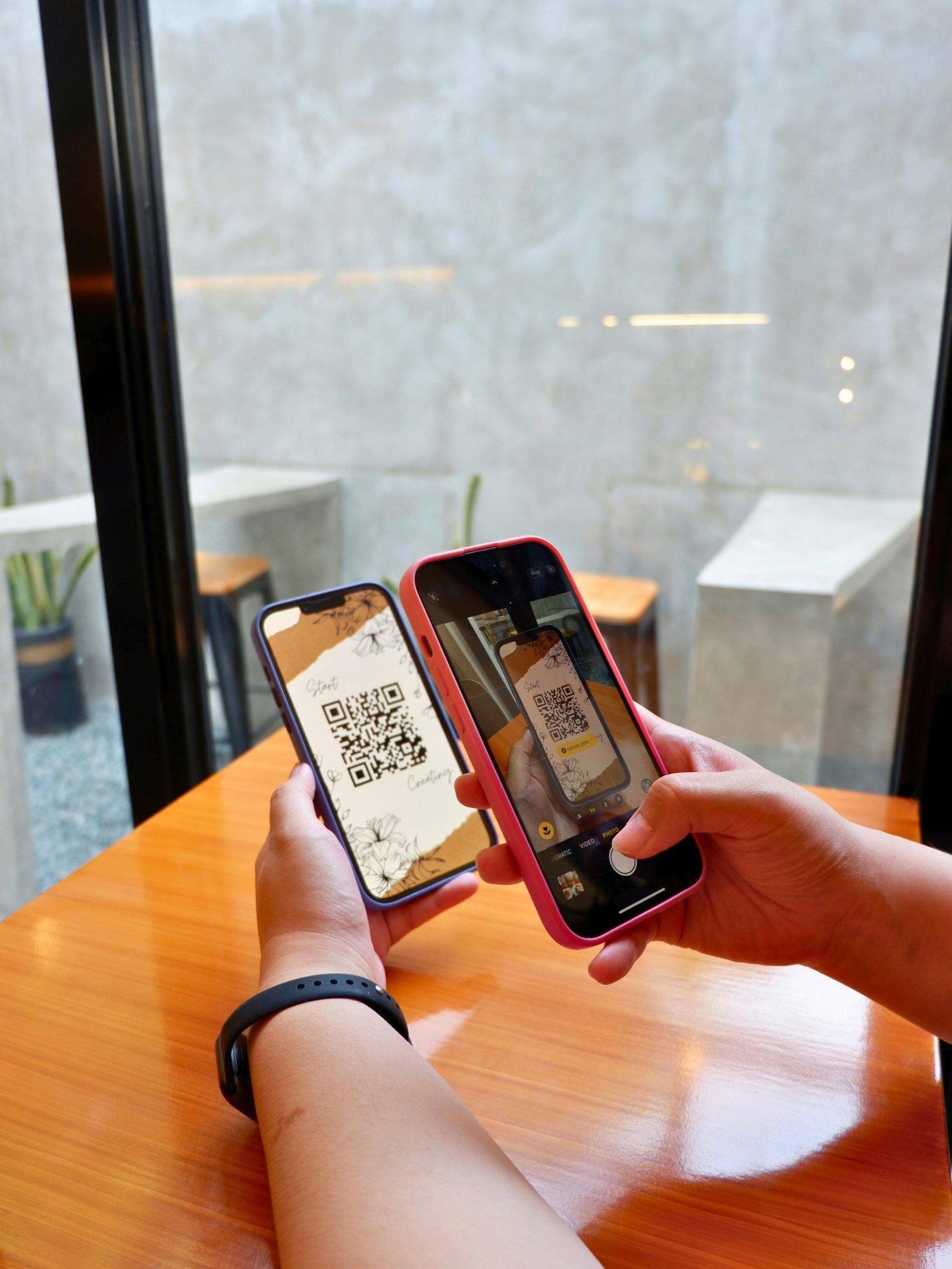
A code at a booth can link to a product demo, prize draw, meeting booking page, or gated resource. A badge scan can capture opted-in attendee details. A code on a session slide can tag interest in a specific topic.
This gives sponsors something more useful than estimated footfall. It also gives organizers better evidence when selling next year’s packages. Instead of saying a booth was busy, they can show scans, form fills, meetings booked, or content downloads.
Networking Without Paper Cards
Business cards still appear at events, but many contacts now happen phone-to-phone. QR codes can support that behavior.
Attendees can add a personal contact code to a badge, event app profile, or digital business card. Scanning can open a vCard, LinkedIn profile, meeting link, or opt-in connection form.
The key is consent. Events should avoid turning networking into automatic data collection. People should understand what is shared when a code is scanned.
Feedback While the Experience Is Fresh
Post-event surveys often arrive when attendees are back at work and no longer thinking about the event. QR codes can collect feedback at better moments.
A code at the exit of a session can ask one short question. A code on a lunch table can ask about catering. A code near registration can capture check-in issues while staff can still fix them. A code on the final slide can collect overall feedback before people leave the room.
Short surveys work best. If attendees see ten required questions on a phone, many will abandon the form. One or two timely questions can produce cleaner data than a long survey sent the next day.
On-Site Operations
QR codes also help behind the scenes. Staff can scan to access run sheets, emergency contacts, venue maps, exhibitor instructions, lost-property forms, or incident reporting. Temporary staff and volunteers benefit most because they need clear answers quickly.
Organizers can create and manage these operational codes with tools such as a QR code generator, then place them where staff already look: registration desks, green rooms, loading areas, and staff lanyards.
Plan Codes Like Signage
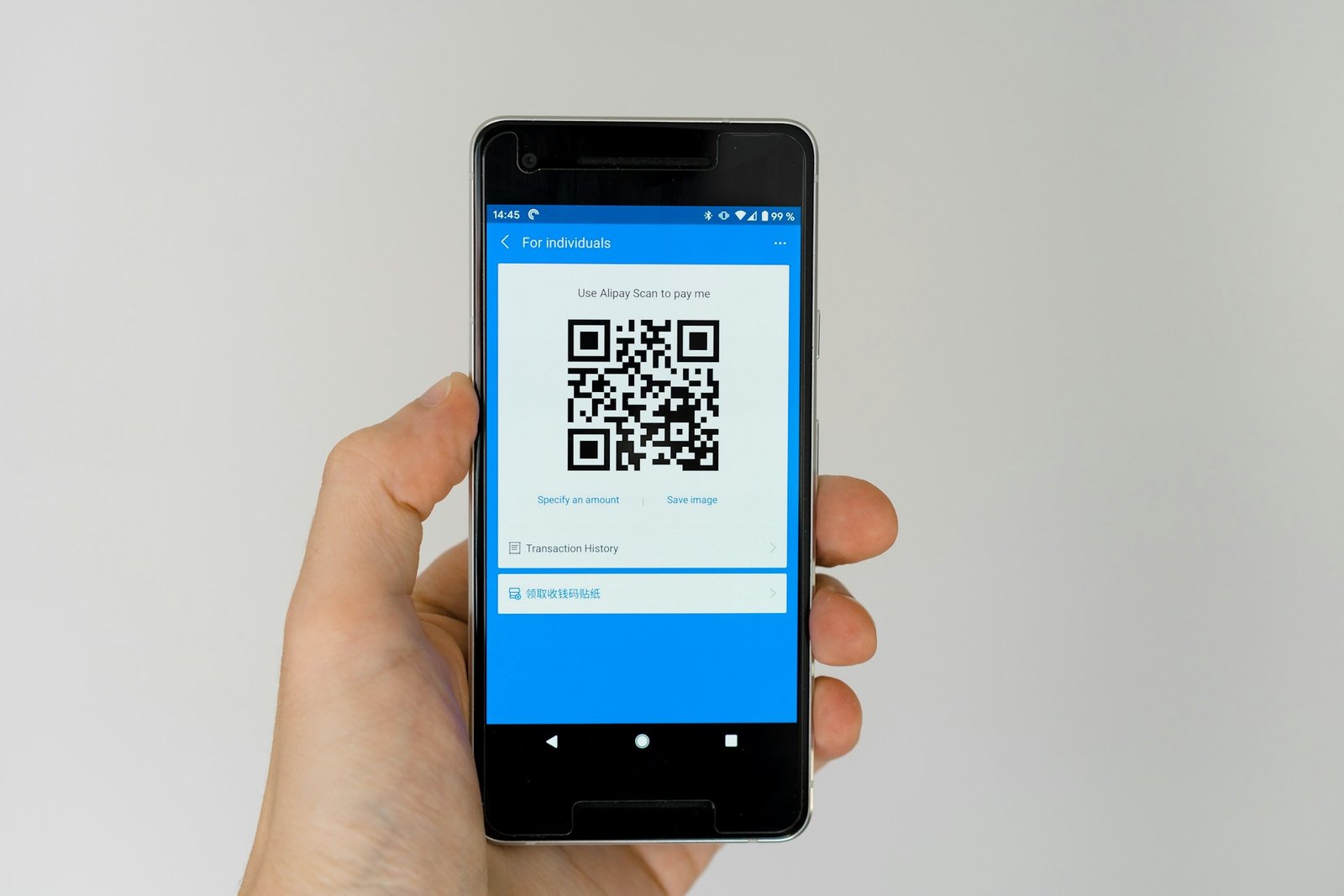
QR codes at events should be treated like signage. They need clear labels, enough contrast, appropriate size, and a reason to scan. “Scan for the live agenda” is better than an unexplained square on a banner. They should also be tested on site. Lighting, distance, glare, Wi-Fi, and crowd movement all affect whether a code works in practice.
When planned properly, QR codes do not make events feel more digital. They make them feel less chaotic. Attendees find what they need faster, sponsors get better proof of value, and organizers spend less time solving preventable problems.