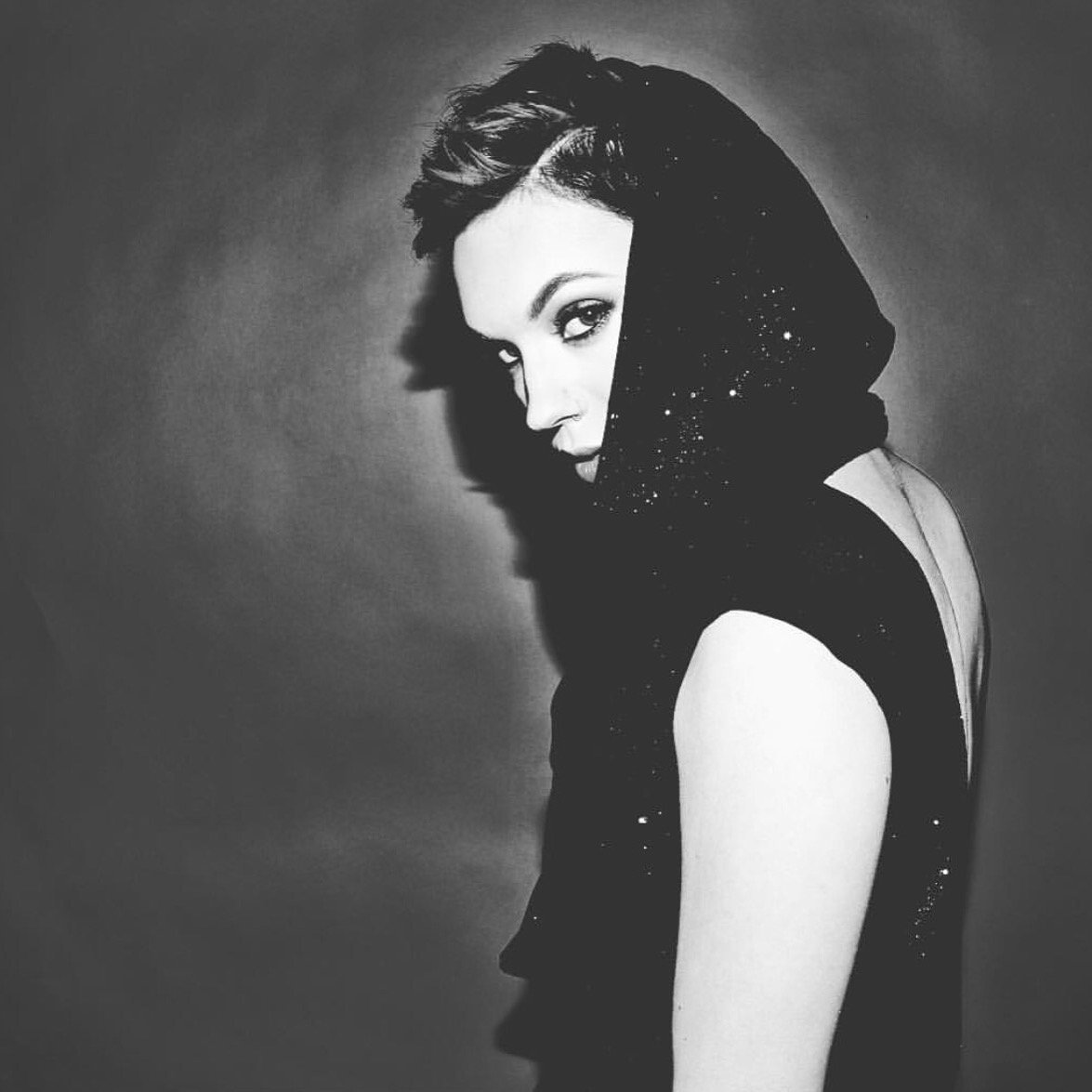
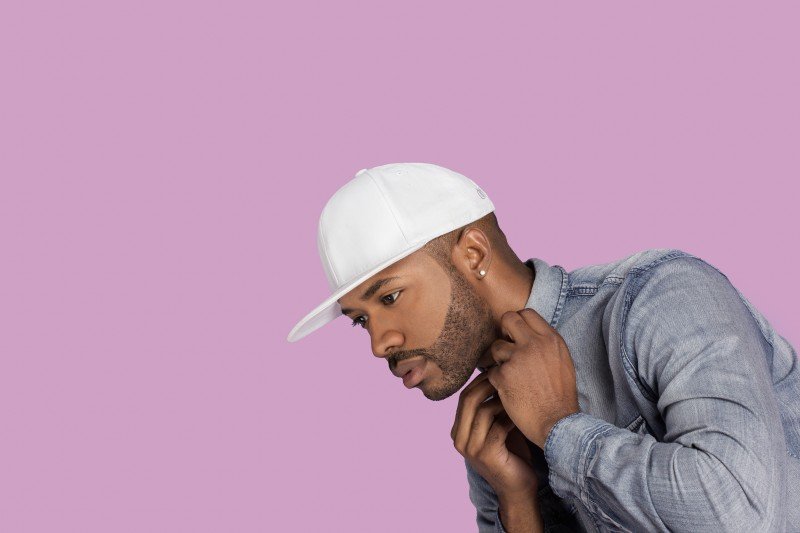


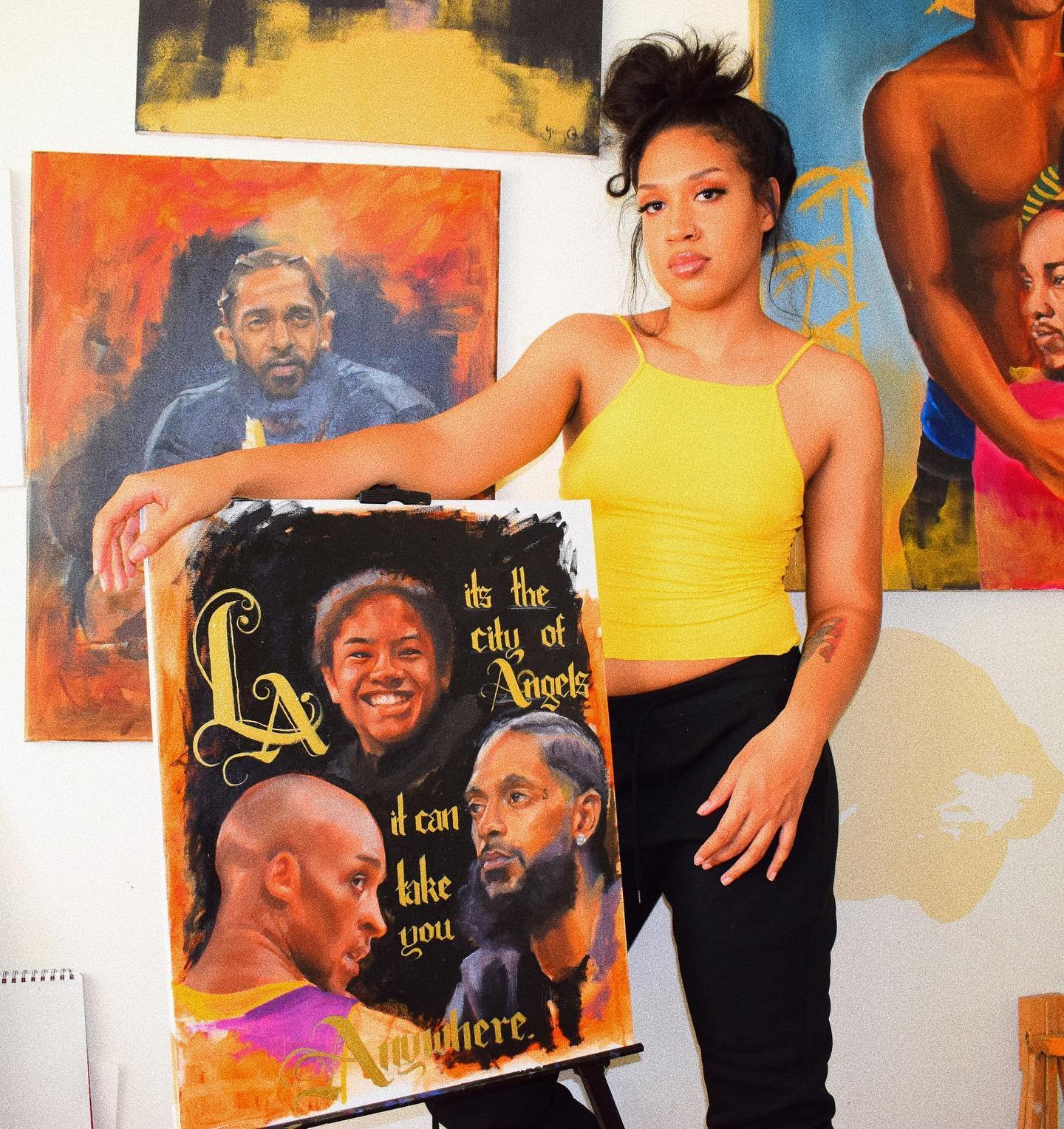



Lookbook pages already carry the garment, the crop, and the light, so a seedance 3 pass is only a second look at a picture the sittings editor has signed.
The digital cover can ask for a few seconds of movement. It cannot ask the model to redesign the dress. If the hem, the neckline, or the face leaves the still, the motion file is the one that stays off the page.
Designers call after the still is approved and ask for a little motion on the social cut. The request sounds small. The failure is not. A walk that changes the bias of the skirt, or a turn that replaces the model’s jaw, puts a different garment on a cover the house already cleared. The still then has to be rushed back into the layout, and the hour goes to a reshoot conversation nobody scheduled.
The Approved Still Already Did The Hard Work
A signed still is a stack of decisions: which seam faces the camera, where the crop cuts the shoe, how warm the window light sits on the cloth. Those decisions took a sitting. Motion does not get to reopen them because a feed prefers movement. Pick the one change the still cannot show. A step. A hand lifting the skirt to clear a stair. A slow push that reveals a back seam. One change. A second change, such as a new color of light, makes it impossible to say what broke the dress.
The placement decides the frame before the prompt does. A wide digital cover can stay near the 16:9 the workbench shows as a starting ratio. A vertical social cut needs the still cropped for that shape first, then animated, because a generator that invents extra floor under a gown will also invent extra cloth. Crop on the still. Then ask for the step. If you do it backwards, you will spend the afternoon arguing with a neckline that only exists in the tall frame.
Readers of a visual magazine already know how to look. They will set the moving frame next to the picture on the page, the way they compare a runway crop to the credit. If the cloth matches, the motion can run under the interview. If it does not, the still was the honest picture, and the clip was a costume. That comparison is the whole standard. Polish does not outvote a hem.
Text Alone Rebuilds The Garment From Scratch
SeedVideo is an independent studio. The video workbench can start from words alone: you describe a scene, and the model builds a clip. That path fits a concept nobody has photographed. It is the wrong start for a look the house has already shot. A sentence can name “ivory silk, bias skirt, late window light,” and the result can still be a different ivory, a different bias, a different model. The designer will see it on a phone before you do.
Text-to-video remains available on the same workbench, next to image-to-video and a reference mode. For a cover, leave the text-only tab for the cases where no still exists. The signed file is the input. Anything that asks the model to invent the gown from adjectives is a new sitting you did not book, and the rework lands on the photo editor who has to explain the mismatch.
A Reference Clip Can Borrow The Walk
The page describes a split the desk can actually use. An image can hold the person and the clothes. A video reference can hold the camera move or the choreography. Audio can hold rhythm. You say, in the prompt, which file does which job, and what must stay consistent: face, clothing, and the scene. Precise motion control, as the studio describes it, is the ability to follow a walk or a camera move from a reference instead of hoping a paragraph of adjectives will guess the same step.
For this magazine that means a dull, clean reference: a model walking a straight line in a studio, or a slow push already used on a previous well. The reference is not a second outfit. If it shows a different skirt, the two files fight, and the hem on the signed still usually loses. Keep the reference boring on purpose. Its only job is the step.
Keep The Hem While The Camera Moves
Watch the hem and the shoulder before you watch the elegance of the move. Consistency, on the published description, is supposed to hold faces, clothing, text, and style across the clip. Clothing is the word that matters here. Pause where the skirt swings. If the hemline climbs, or a seam that was vertical in the still goes diagonal, the take is wrong even when the step itself is graceful. Discard that file. The still stays in the layout.
A seedance 3 request for this desk should read like a note to a photo assistant. Start from the signed still. Borrow the walk from the reference. Do not change the dress, the crop logic, or the face. One camera move. If the reference and the still disagree, the still wins, and you pull the reference out rather than average the two looks.
Built In Audio Follows The Room
The same feature list includes built-in audio: context-aware effects and music, or a sync to audio you upload, including a beat. A fashion clip often needs almost none of that. Room tone, a heel on a hard floor, maybe a bar of music the story already licensed. Lyrics, a voiceover the model invents, or a swell that tells the reader how to feel, fight the interview that will sit beside the clip. Generate the picture first with a plain sound bed, then decide if that bed can stay.
Music-and-dance uses on the page are real: a choreography reference applied to a figure, picture locked to a beat. A magazine can use that when the story is the dance. A gown story is not a dance story unless the sitting was. Do not import a choreography clip to “make the dress alive” if the choreography’s silhouette is a different garment. The beat can be added later, in the edit, under a picture that already matches the still.
Check Spoken Lines Against The Mouth
If the clip is meant to carry a spoken line, watch the mouth for the whole sentence, not a single flattering frame. Built-in audio can follow a description of sound, but a line that drifts off the lips is unusable next to a portrait the sitter will see. Turn the line off and keep the room tone if the mouth fails. The portrait still does the talking in the headline. The clip does not have to speak to be worth running.
What The Desk Compares Before A Cover Moves
Three paths reach the same layout box. Only one of them starts from the picture you already signed. The other two ask the model to supply a garment or a performance you did not book. Put them on one page before anyone exports a file for the digital cover.
| Path | What it keeps | What breaks the cover |
| Signed still, no generator | Garment, crop, and light from the sitting | No motion for the social cut |
| Text only | A scene you can describe in a sentence | A new dress the designer did not sign |
| Still plus one motion reference | The signed garment and a borrowed step | Hem or face when the reference fights the still |
Read the middle column before the right-hand one. If the middle column does not name the signed still, that path is for a different story. The right-hand column is the reject rule: a new dress, a climbing hem, a jaw that is not the sitter. Any one of those sends the file back. The still does not move to make room for it.
SeedVideo’s workbench is where the third row happens, because that is where an image, a video reference, and a prompt can be aimed at different jobs. The table is not a ranking of products. It is a way to stop a text prompt from replacing a sitting that already cost a day.
Read The Cloth After The File Downloads
The studio also describes extension and targeted edits: lengthen a clip, or change one action, while the rest of the picture stays. On a gown story that is a narrow tool. Use it when the step is right and one beat is early, not when the dress itself drifted. An edit that “fixes” the hem by repainting the skirt is another invention. An edit that shortens the push, and leaves the cloth untouched, is the one that belongs in the issue.
Play the file beside the still at the size of the digital cover, not in a small preview tile. Small frames hide a wandering neckline. Full width shows it. The back seam is a good second check when that seam was the reason for the still: if the turn erases it, or moves it onto the hip, the story of the picture is gone. If you cannot defend the cloth to the designer in that pairing, the clip does not ship. The time you save by not arguing is the time the layout actually needs.
Faces get the same pass when the frame includes one. The published claim is that faces and clothing hold across the video. Hold is the claim. Your pass is the proof. A single flattering frame in the middle of the clip is not a pass. Scrub to the turn. If the face becomes someone else for even part of the step, that is a failed take, and it does not get a caption.
Publish The Still When The Hem Drifts
SeedVideo fits a photo desk that already has a signed still and needs one borrowed step, with an editor who will kill the file when the hem or the face leaves the picture. It is a poor fit when there is no still, or when the story needs a new garment designed in the prompt. In that case book a sitting. Do not ask a sentence to invent the clothes.
If the approved edit already moves the way the still intended, leave it. Another generation will not make the credit more true. When the motion holds, run it small under the interview. When it drifts, publish the still. The cover was already finished on the day of the sitting.