





Digital culture in America is evolving from a landscape of constant visibility to one focused on privacy, authenticity, and meaningful connection.
The growing desire to live and communicate with intention is reshaping how people express themselves online, how they connect with others, and how they define digital wellbeing.

The modern internet user isn’t looking to disappear — they’re learning to engage more selectively. From private group chats and curated circles to the rise of encrypted communication and mindful tech habits, a new form of connection is emerging — one that values trust, truth, and transparency as much as access.
The Rise of Intentional Connection
More Americans are connected online than ever before. In 2025, over 93 percent of the U.S. population used the internet, with social media engagement at 73 percent — according to DataReportal’s 2025 Digital Report. Yet despite the scale of digital participation, there’s a growing awareness that quantity doesn’t equal quality.
Privacy and the Return of Personal Space
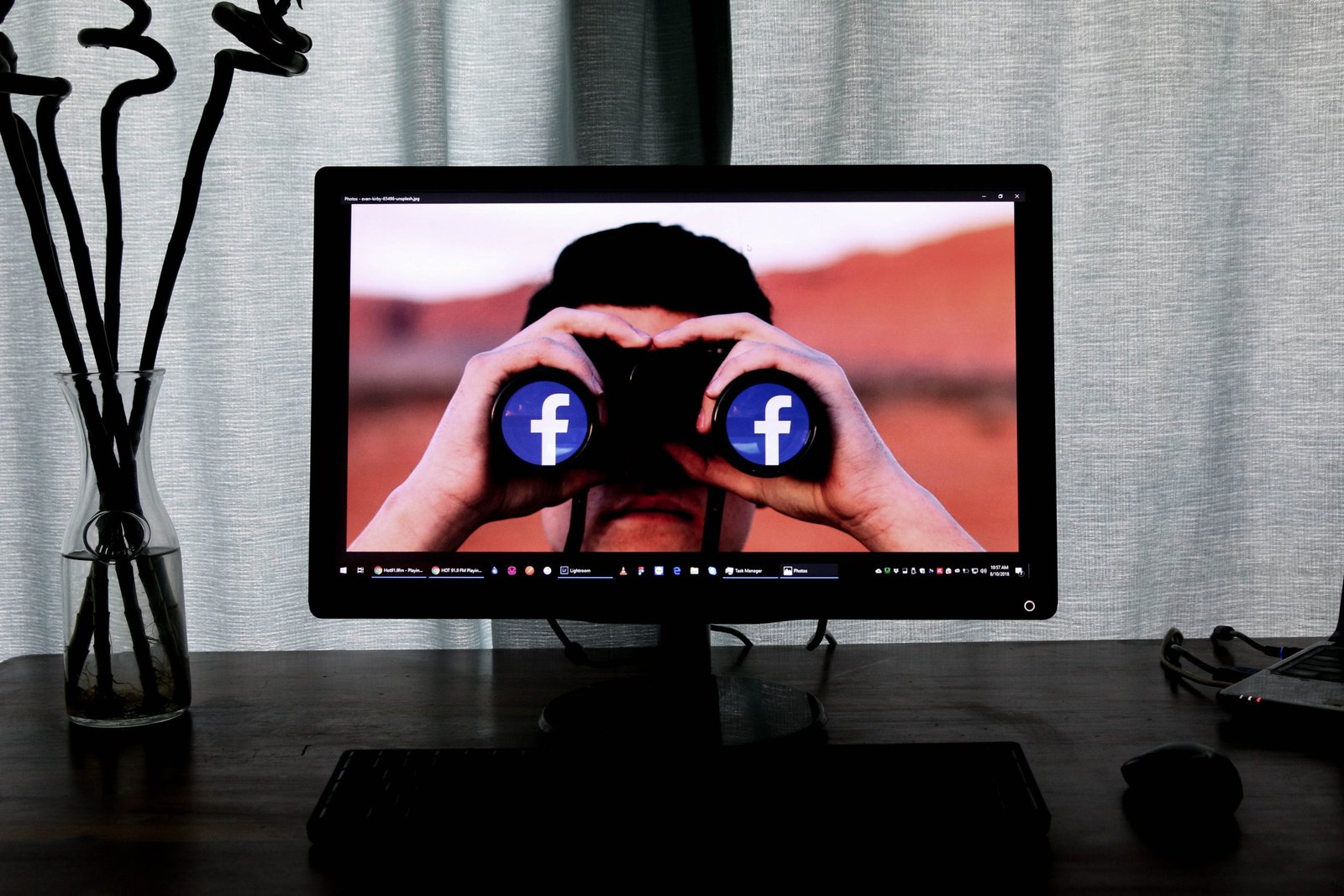
Privacy has become a defining issue in digital culture. In 2024, the Norton Cyber Safety Insights Report found that 72 percent of U.S. adults are concerned about how their data is collected and used online.
This concern is driving new behaviors: Americans are using disappearing messages, anonymous browsing, and private communities to communicate more freely while safeguarding personal boundaries.
In an era where nearly every app tracks behavior, reclaiming digital privacy has become a form of self-care. Limiting exposure doesn’t mean isolation — it means control. Users are realizing that the freedom to choose what they share, and with whom, builds stronger, more genuine relationships both online and off.
Technology That Supports Choice and Companionship
The evolution of digital platforms is also giving rise to new models of connection, where technology facilitates autonomy rather than replacing human contact. For example, websites allow adults to explore verified listings for escorts through secure escort search features that prioritize consent, transparency, and discretion.
These spaces highlight how digital innovation can support responsible companionship, combining safety with personal agency. They reflect a wider cultural movement toward empowerment — where individuals use technology to make informed, self-directed choices that align with their lifestyle and comfort level.
Authenticity as the New Social Currency
Digital fatigue has prompted users to reexamine what “authentic” really means online. According to Deloitte’s Digital Media Trends Report, 61 percent of U.S. consumers say they’ve changed their digital habits to improve balance between screen time and real life. In practice, this means smaller audiences, less filtered content, and greater emphasis on sincerity over performance.
Social media is maturing beyond self-promotion — toward self-expression that feels grounded. Individuals are beginning to share less frequently, but with more thought and honesty. This redefinition of authenticity is reshaping online influence and the expectations that come with it.
Balancing Technology and Mental Well-Being
Constant connectivity has empowered and exhausted users. Studies from the American Psychological Association (APA) show that 79 percent of U.S. adults say flexible work arrangements and greater control over digital tools improve their mental health. This finding underscores the connection between autonomy and emotional stability, key components of the new digital mindset.
For younger Americans especially, screen breaks and “digital detox” days have become normalized. Rather than rejecting technology, people are learning to integrate it more healthily — choosing boundaries that help them stay productive, creative, and emotionally grounded.
The Shift Toward Micro-Communities
As large public platforms lose their appeal, private and niche communities are flourishing. On platforms like Discord, Slack, and private Substack channels, smaller groups centered on shared interests are replacing mass-audience broadcasting. A Morning Consult survey found that 58 percent of Gen Z prefer closed online spaces to public feeds, citing “comfort” and “safety” as top reasons.
This movement toward micro-interaction signals a change in cultural values: people increasingly want spaces that feel intentional, where trust and understanding replace performance and comparison.
The Blurred Line Between Public and Private Life
Even as privacy grows in importance, public sharing isn’t disappearing — it’s evolving. However, people’s posts are shifting from polished, high-visibility content to more grounded and spontaneous updates — what some experts call “unfiltered authenticity.”
The challenge of the next decade will be maintaining real connection within these increasingly hybrid online spaces — where one’s private and public selves coexist in real time.
Looking Ahead: Connection with Intention
The future of digital culture will not be defined by more technology, but by better use of it. Americans are proving that meaningful connection depends less on constant activity and more on intention — how and why people choose to engage.
As personal privacy, emotional authenticity, and responsible innovation converge, a more balanced and human-centered internet emerges. This new era of connection reminds us that being online isn’t about exposure — it’s about experience, and the quality of the relationships we build within it.