





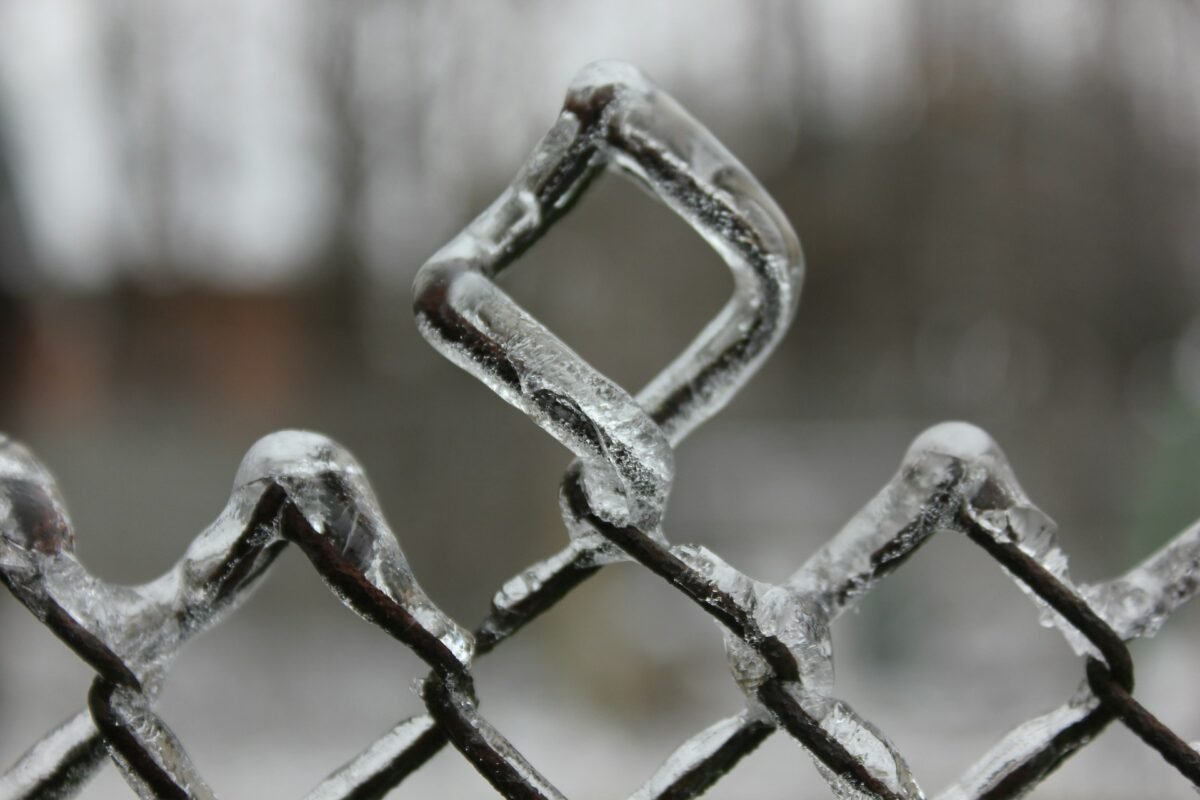

Choosing between Iron and aluminum gates and fences is a decision that many renovators will have to make, it is especially tricky in Canada where the country’s extreme cold winter and warm summers can have effects on the materials and their durability.
While some might say Iron is better than aluminum or vice versa, both materials offer unique benefits.

The only right option lies in the scope of work and what is the job needed to get done
Durability and Strength
Iron is known for its exceptional strength and rigidity. It is heavier and more robust material making it for security maintenance applications. Iron gate and fences can withstand strong impacts and are less likely to bend under pressure, which is useful in areas of application prone to physical stress. When maintained well, it can be a long-lasting and reliable choice, especially for larger installations like a 20ft driveway gate.
Aluminum, on the other hand, is lighter and more flexible than iron. While it is still durable, it doesn’t match in terms of ability to withstand physical stress. However, its flexibility can be advantageous as it won’t crack under sudden stress or shifting grounds.
In addition to the above, it is also important to consider the performance of the materials over time. For instance, iron retains its shape and form even after years of usage, and this makes it suitable for use in highly secured facilities such as commercial complexes, warehouses, and residential estates. While aluminum may not be as rigid, it is suitable for residential purposes, as there is minimal force exerted in such locations. Its flexibility may actually save it from damage in certain circumstances.
Weight and Installation
Iron is significantly more heavy than aluminum, which can make installation more difficult and labor heavy. However, like mentioned above this weight increases its ability to withstand physical stress.
Aluminum’s lightweight nature makes it easier and faster to install. It will reduce labor costs and simplify transportation procedures. For residential properties or areas where ease of installation is important aluminum is often the more convenient choice.
Another aspect to take into consideration is the type of terrain where the fence or gate will be installed. In cases where the terrain is not even or sloped, aluminum fencing may be more suitable since it can be adjusted easily during the course of installation. This can be particularly beneficial since contractors can work more efficiently, which may be a necessity in regions where weather conditions restrict work hours.
Iron fencing, on the other hand, may require more equipment and personnel. This may prove to be more expensive, but in return, one gets a more solid structure. This may be particularly necessary when one needs a more durable structure.
Maintenance Requirements
Maintenance between iron and aluminum is another key difference between the two materials Iron fences typically require regular upkeep, including inspection for rust, repainting, and occasional repair to maintain their pristine appearance.
Aluminum fences are much easier to maintain on the other hand. This makes it a popular option for homeowners looking for weather resistant fencing Canada solutions. It performs exceptionally well in wet and snowy conditions without the need for frequent maintenance, making it both convenient and cost-effective over time.
Further expounding on this point, iron fences, especially when exposed to rain and road salt as in the case of Canadian winters, are likely to corrode if not well maintained. Regular maintenance practices such as painting and checking for corrosion are necessary for its longevity.
On the other hand, aluminum fences are resistant to corrosion and rusting. They come in a variety of finishes, including powder coating, which increases its lifespan. This has made them a favorite in areas such as the coast and in humid environments where corrosion is a major concern.
Cost Considerations
In general iron is cheaper than aluminum due to lower material costs. Aluminum while more expensive initially can hold more of its value due to its more durable nature.
When doing cost analysis it is important to factor in maintenance costs, aluminum may prove more economical over time especially where corrosion is a concern.
Apart from the cost of purchase, homeowners should also consider the maintenance costs. For instance, even as iron may be cheaper, maintenance costs may be significant in the future. Repair, repainting, and rust inhibitors are part of the maintenance costs.
Aluminum, as earlier stated, may be more expensive, but maintenance is minimal. This means that homeowners may save significantly in the future, especially when they are looking for a “set it and forget it” solution. Moreover, homes with aluminum fencing are likely to be more valuable due to their modern look and low maintenance requirements.
Weather Resistance in Canadian Conditions
One of the most significant factors to consider when making a choice between iron and aluminum fences is how each material performs in extreme weather.
Iron fences are capable of handling extreme weather such as snowfall and strong winds due to its weight and strength. Nevertheless, iron fences are more likely to rust when exposed to moisture. Therefore, the coating of the iron fences must be well taken care of to ensure that the fences serve for a long period.
Aluminum fences perform well in extreme weather. One of the advantages of using aluminum fences is that they do not rust. Therefore, this type of fence is suitable for use in areas with high snowfall rates or high humidity. In addition, this type of fence performs well even when frozen and thawed.
Aesthetic Flexibility and Design Options
Both iron and aluminum provide a wide range of possibilities in their designs. However, there are minute differences in their aesthetic appeal.
Iron is usually associated with elegant and classy designs. It is usually employed in creating ornate gates with intricate details and designs. This makes it an excellent choice for traditional homes or for homes that are meant to look luxurious.
Aluminum, on the other hand, provides a wide range of possibilities. It may be designed to look similar to iron while at the same time incorporating a modern touch. It comes in a variety of styles, ranging from simple to ornate. This is due to the fact that aluminum can be easily molded and manufactured.
Security Considerations
In the case of security, iron has the upper hand as long as the gates are concerned. This is mainly due to its robust and rigid structure.
Aluminum gates are still quite secure but more appropriate for residential use as long as the issue of defining boundaries is concerned.
For increased security, there is an option of reinforcing the gates or using other security measures such as locks.
Environmental Impact
Sustainability is becoming a major issue for homeowners today. In this case, both materials are quite beneficial for the environment; however, aluminum has a wider advantage.
Aluminum is ranked as one of the most recycled materials in the world today. Recycling this material requires a lot less energy compared to when one is using newly manufactured aluminum.
This qualifies this material as environmentally friendly. Although iron can be recycled, its weight is a major contributor to the costs incurred during transportation. This increases the amount of energy needed during installation.
This material has a long lifespan; therefore, this qualifies it as a more environmentally friendly option in the long run.
Long-Term Performance and Value
When considering the long-term performance of a material, both materials have something to offer. The iron material has the advantage of being the most durable and secure material, making it a long-term investment for any property that needs maximum security.
Aluminum has the advantage of long-term performance with minimal maintenance costs, making it a viable option for a home that needs a hassle-free material that can provide long-term benefits for the homeowner.
Final Thoughts
Both iron and aluminum gates and fences have their place in Canadian environments, but the right choice depends on your specific case of installation needs. If strength and security are your top priorities, iron is a solid investment provided it is properly treated and maintained. If you’re looking for a lightweight, corrosion-resistant, and low-maintenance option, aluminum is an excellent choice for withstanding Canada’s challenging weather conditions.