

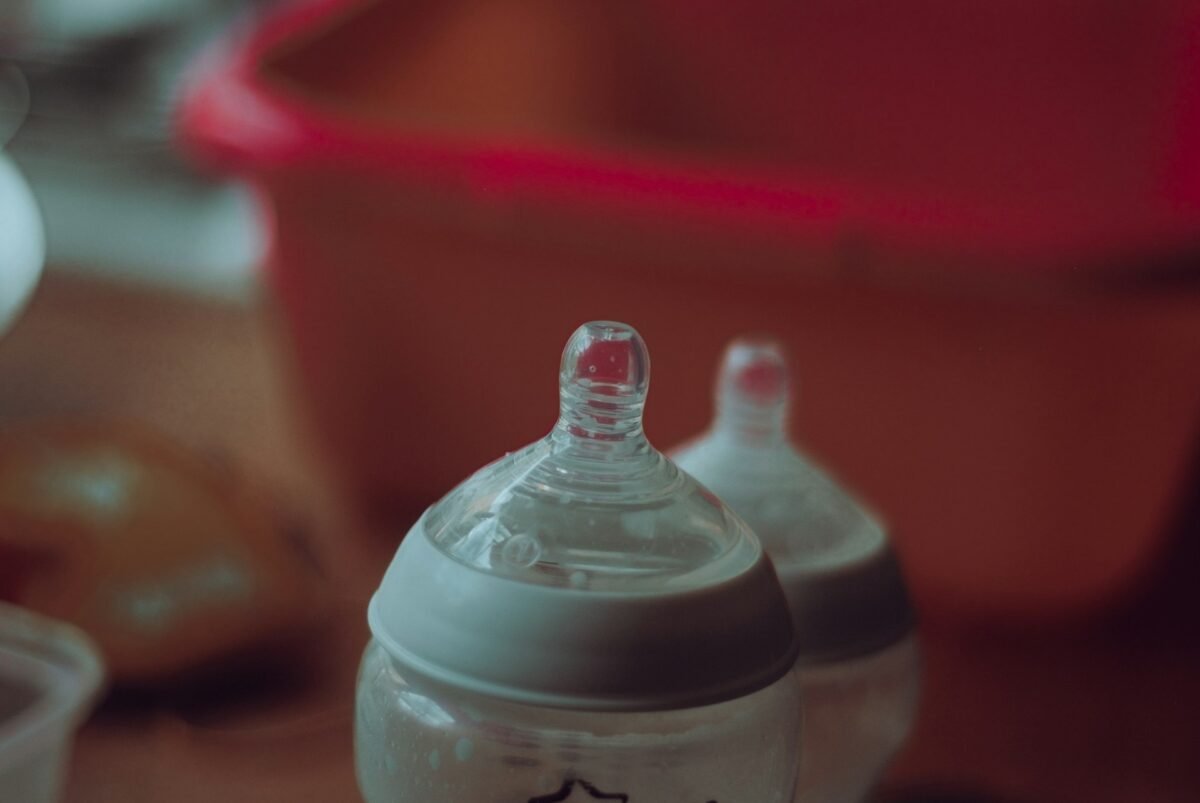

Some people may see preparing milk as just a simple task when it comes to taking care of a baby. But, what they do not know is that temperature matters more than they realize. If the temperature were a little colder, maybe the milk wouldn’t blend to the water.
If a little hotter, the nutrients would begin to break down. That is why many parents rely on gentle tools like the Momcozy bottle warmer for breast milk to help keep temperatures steady and safe during feeding time. Still, many parents ask the same question: What temperature destroys formulas?
The better you know what kind of temperatures are safe, the more nourishment gets into your baby’s mouth. This guide shows you how heat affects formula, what temperature to shoot for when mixing in powdered milk, as well as warming bottles without damaging their contents.
What Temperature Destroys Baby Formula
Baby formula is a mixture of proteins, vitamins, fat, sugar, mineral salts and anything else the body needs for building bones or producing blood, all made to aid in a baby growing process. These nutrients are all carefully worked out during the production process. When formula is exposed to excessive heat, some of those nutrients can begin rusting.
In general:
- Temperatures above about 70°C (160°F) break down some heat-sensitive vitamins and proteins in formula
- Boiling temperatures (100°C / 212°F) destroy even more sensitive nutrients.
- Prolonged exposure to high heat can also change the structure and taste of formula.
For this reason, experts advise not heating up prepared formula using the stove or boiling water. But something many parents find confusing is you have to know something. Some advice is mixing powdered formula with hot water around 70 °C to kill possible bacteria in the powder that can be especially recommended for newborns.
The important distinction is that the water can be hot to start with but the bottle should cool down to a safe feeding temperature by the time your baby is fed. After the formula has been mixed, reheating it really hurts the nutrient quality over time.
Why Formula Temperature Matters for Babies
Babies have really sensitive stomachs. Temperature, even small changes can affect the way they feed and digest milk.
Keeping formula at a safe temperature helps in several ways:
- Protects nutrients: Formula contains vitamins like vitamin C, B vitamins, and other nutrients that can break down under extreme heat.
- Prevents burns: Hot milk can burn a baby’s mouth. Babies cannot tell you when something is too hot, so parents must check carefully.
- Keeps taste and texture normal: Overheated formula may smell different or develop a slightly altered taste. Some babies refuse bottles if the flavor changes.
- Helps digestion: Milk that is extremely hot or cold may upset a baby’s stomach.
For most babies, lukewarm or room-temperature formula works perfectly fine.
Ideal Temperature for Preparing Baby Formula
Many parents believe formulas must always be warm. In reality, babies can drink formula at several temperatures as long as it is safe.
A comfortable feeding temperature is usually close to body temperature.
Typical safe ranges include:
- Room temperature: about 20 – 25°C (68 – 77°F)
- Body temperature: about 37°C (98.6°F)
- Slightly warm but not hot: around 37 – 40°C (98 – 104°F)
Here is a simple way to check the bottle temperature:
- Shake the bottle well.
- Place a few drops on your wrist.
- It should feel neutral or slightly warm, never hot.
Many babies actually accept room-temperature formula with no problem. Warming the bottle is often done mainly for comfort or routine.
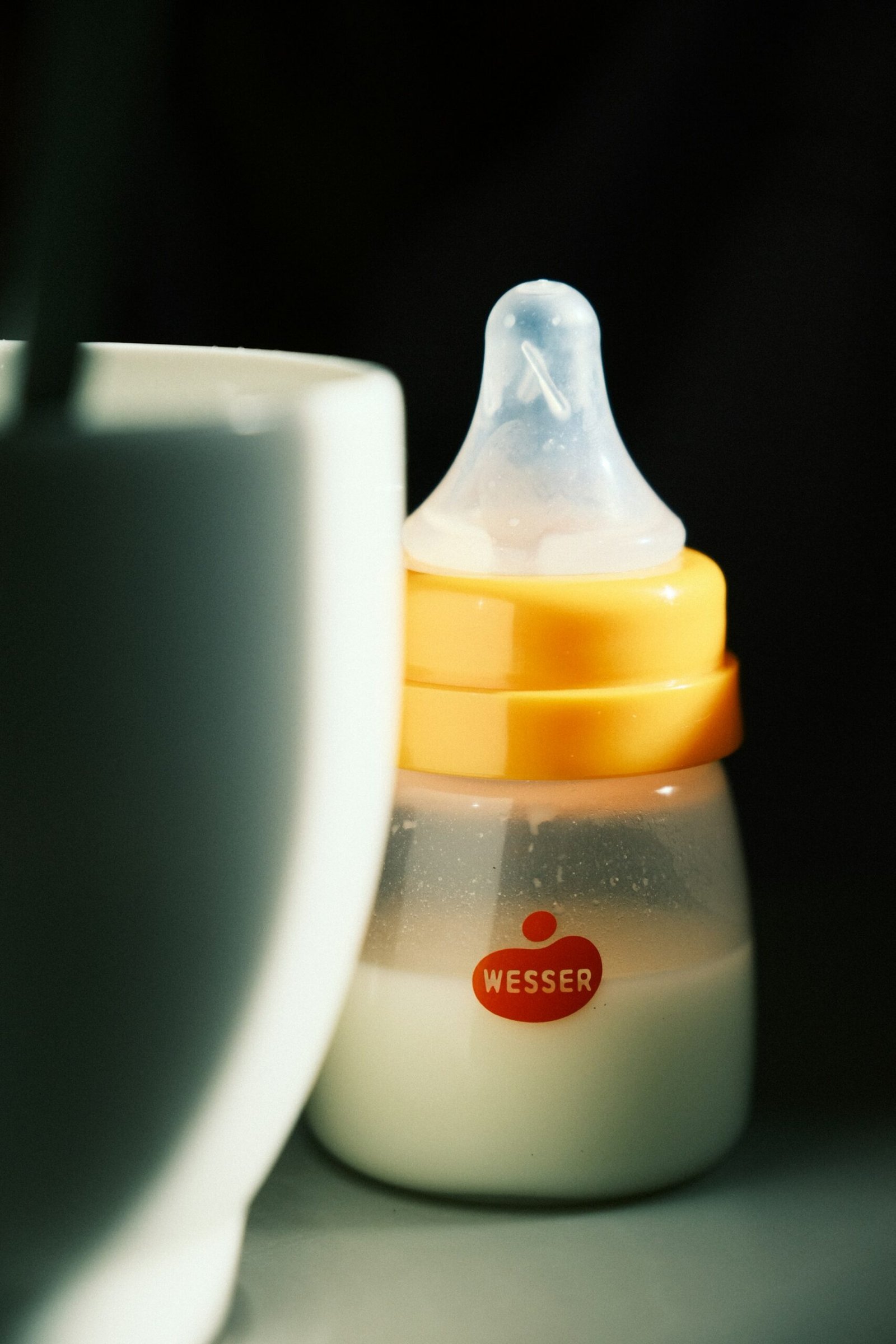
Can Overheating Formula Damage Nutrients
Yes, overheating formulas can reduce some nutrients, especially if the milk is heated repeatedly or exposed to high heat for a long time.
The most heat-sensitive nutrients include:
- Vitamin C
- Some B vitamins
- Certain proteins
When milk becomes too hot:
- Vitamins may start breaking down.
- Proteins can change structure.
- The milk’s balance of nutrients may shift slightly.
While occasional overheating does not make formula dangerous, repeated exposure to high heat can lower its nutritional value.
Microwaving bottles is one of the most common reasons formula overheats. Microwaves heat unevenly, creating hot spots that can burn a baby’s mouth while the rest of the milk feels cool. Because of this risk, many pediatric experts suggest avoiding microwaves completely when warming bottles.
Safe Ways to Warm Formula for Feeding
There are several gentle methods that warm milk evenly without damaging nutrients.
1. Warm Water Bowl Method
This is one of the simplest and safest methods.
Steps include:
- Fill a bowl with warm (not boiling) water.
- Place the bottle inside.
- Let it sit for a few minutes.
- Swirl the bottle gently to mix the temperature.
This method warms milk slowly and evenly.
2. Running Warm Water
Another easy option is warming the bottle under running water.
How it works:
- Hold the bottle under warm tap water.
- Turn the bottle slowly so all sides warm evenly.
- Check the temperature before feeding.
Avoid very hot water to prevent overheating the milk.
3. Using a Bottle Warmer
Many parents prefer a bottle warmer because it provides controlled, gentle heating.
Devices like the Momcozy Night Pro Baby Bottle Warmer – Night Feeding is designed to warm milk gradually rather than exposing it to sudden high heat. These warmers help keep the temperature within a safe range and reduce the chance of overheating.
A good bottle warmer can:
- Warm milk evenly
- Protect nutrients from high heat
- Save time during nighttime feedings
- Maintain a consistent temperature
4. Warm Thermos Water for Travel
When traveling, some parents carry warm water in a thermos.
This allows you to:
- Mix formula fresh
- Control the temperature
- Avoid reheating bottles
Freshly mixed formula often keeps nutrients more stable compared with reheated bottles.
Bottle Warming Tips to Protect Formula Nutrients
A few simple habits can help preserve nutrients and keep feeding safe.
- Avoid microwaving bottles
- Microwaves create uneven heat and dangerous hot spots.
- Do not boil prepared formula
- Boiling can break down vitamins and change the milk’s structure.
- Warm only what you need
- Heating large amounts of formula repeatedly can reduce nutrient quality.
- Shake or swirl the bottle
- Mixing helps spread heat evenly throughout the milk.
- Always test the temperature
Use the wrist test before feeding.
Follow storage rules
Prepared formula should generally be used within:
- 1 hour after feeding starts
- 24 hours if stored in the refrigerator
Choose gentle warming tools
A controlled warming device, such as the Momcozy bottle warmer, can help maintain safe temperatures and reduce the risk of overheating milk.
Conclusion
So, what temperature destroys formulas? Extremely high heat, especially temperatures above 70°C (158°F), can start breaking down important nutrients in baby formula. Boiling temperatures can damage even more vitamins and proteins.
The good news is that the protection formula is simple. Warm milk gently, avoid microwaves, and aim for a temperature close to body warmth. Using a controlled device like the Momcozy bottle warmer for breast milk helps keep the temperature safe, warms milk evenly, and preserves nutrients. These small steps make sure every bottle gives your baby the nutrition they need while keeping feeding safe and comfortable.