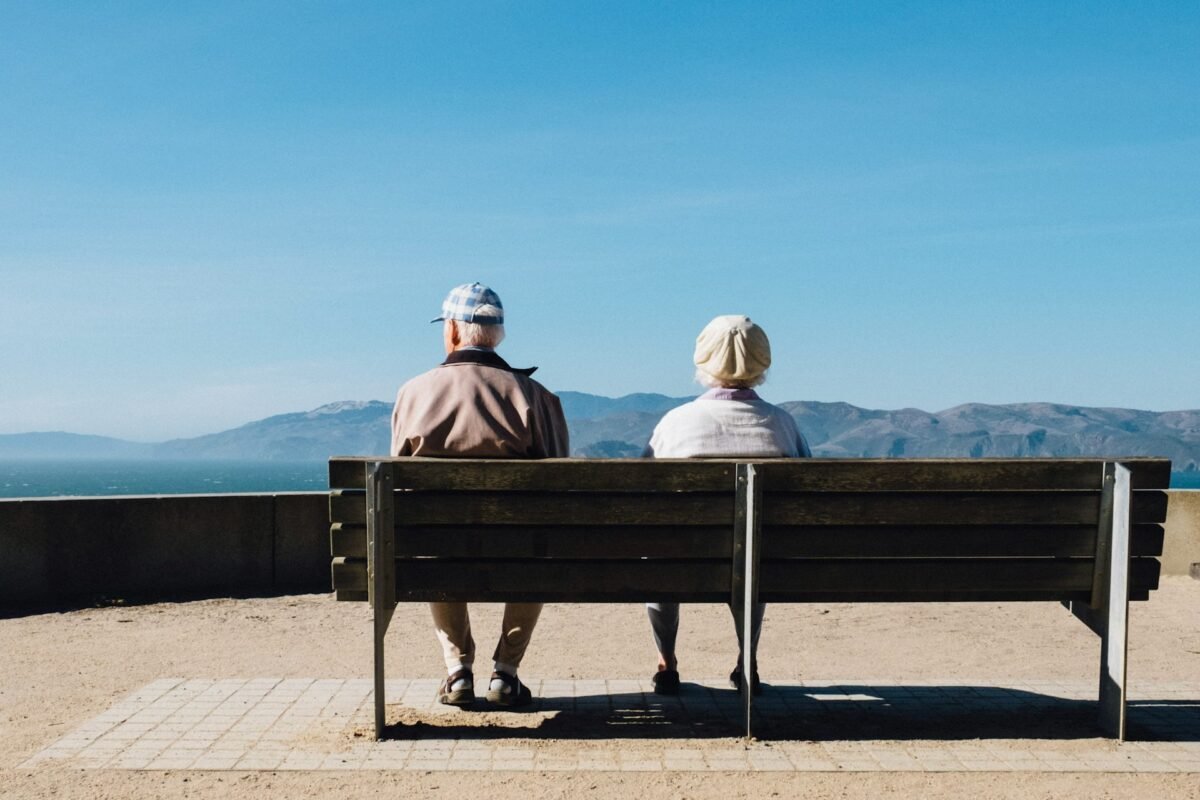

Getting older looks very different today than it did a few decades ago. Many people are staying active well into their later years, traveling more, exercising regularly, and focusing on overall wellness. At the same time, families are paying closer attention to long-term health, preventive care, and quality of life for aging loved ones. Because of this shift, healthy aging has become one of the most important topics in healthcare today.
As the older population continues to grow, so does the need for trained healthcare professionals who can provide the right support and care. Skilled nurses are becoming a vital part of helping older adults live healthier, safer, and more independent lives. From hospitals to home healthcare settings, nurses are helping patients manage health conditions while also offering emotional support and guidance to families.
The Growing Demand for Skilled Nurses
The United States is seeing a major increase in its aging population. As more people reach retirement age, healthcare systems are facing growing pressure to provide quality care for millions of older adults. This demand has created a serious need for skilled nurses across many healthcare settings.
Hospitals, rehabilitation centers, nursing homes, assisted living facilities, and home healthcare agencies are all searching for qualified nursing professionals. At the same time, the nursing shortage continues to affect healthcare organizations across the country. Many experienced nurses are retiring, while patient needs continue to rise.
How Career Changers Are Helping Fill the Gap
The increasing demand for nurses has encouraged many adults to explore healthcare careers later in life. People from business, education, customer service, technology, and many other industries are now entering nursing programs to pursue more meaningful work.
Many adults are now considering changing careers to nursing because they want work that feels purposeful while also offering strong job stability and long-term growth opportunities.
For many career changers, nursing offers a chance to make a real difference in people’s lives. Some are drawn to the personal connection that comes with patient care, while others appreciate the flexibility and variety within the profession. Nursing also provides opportunities for advancement, specialization, and continued learning.
Accelerated nursing programs have made the transition easier for people who already hold degrees in other fields. Flexible online learning options and shorter program timelines allow many students to balance education with work and family responsibilities.
The Role Nurses Play in Supporting Older Adults
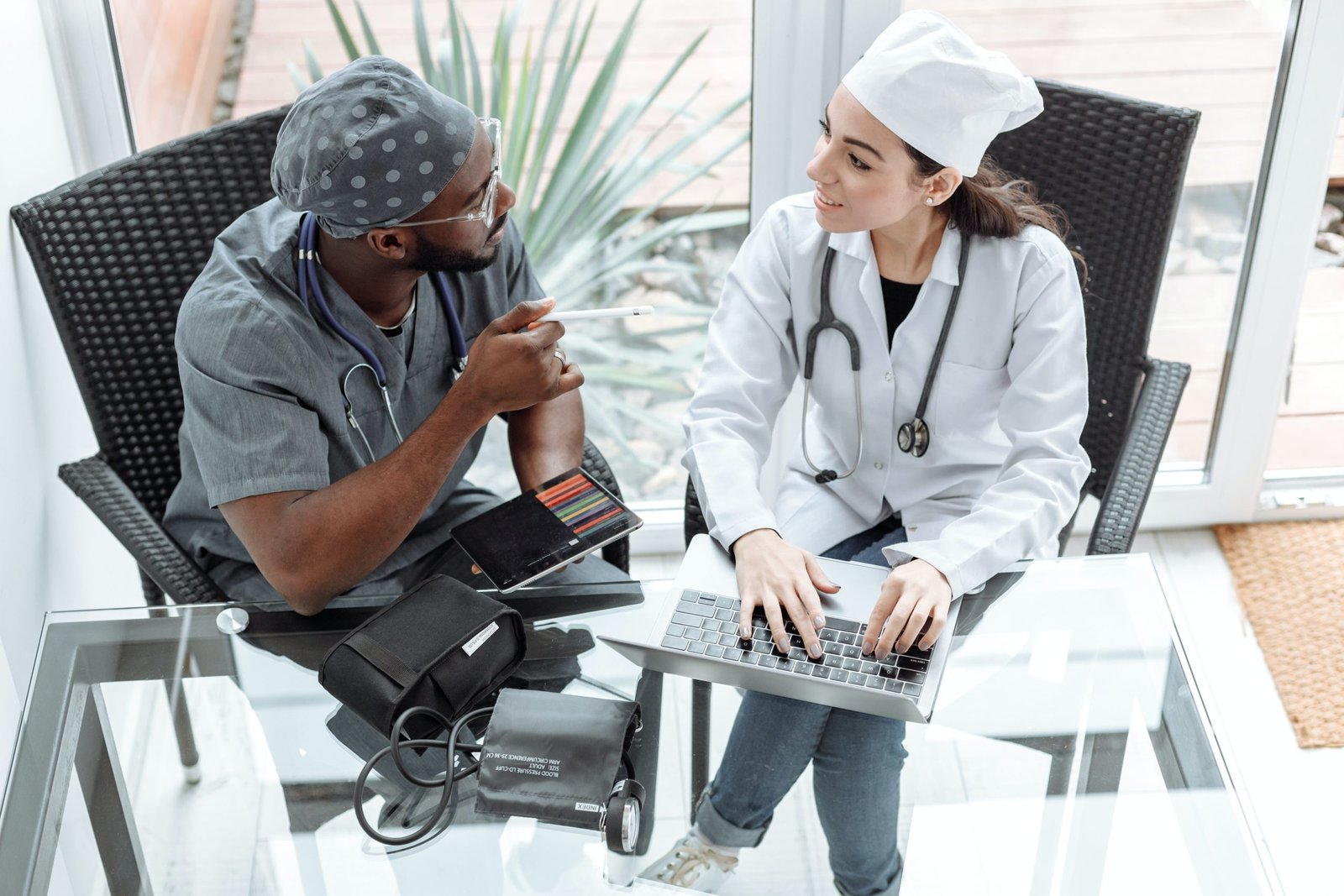
Nurses are often at the center of patient care for aging adults. Their responsibilities go far beyond checking vital signs or administering medication. Nurses help older patients understand their health conditions, follow treatment plans, and maintain healthy routines.
Many older adults live with chronic conditions that require regular monitoring and support. Nurses help patients manage medications, attend follow-up appointments, and recognize warning signs before health problems become more serious. This ongoing care can improve both physical health and emotional well-being.
Nurses also provide emotional support during difficult situations. Aging can sometimes bring feelings of fear, stress, or loneliness, especially when health problems become more complicated – and poor sleep, which is closely tied to stress and anxiety, can quietly worsen both physical and mental health over time. Nurses help patients feel heard, respected, and cared for throughout the treatment process.
Why Specialized Nursing Skills Are Becoming More Important
Caring for older adults often requires specialized skills and training. Aging patients may have multiple health conditions at the same time, which can make treatment more complex. Nurses must be able to recognize subtle changes in health and respond quickly when concerns arise. Strong communication skills are especially important in elder care. Nurses must explain treatments clearly, answer questions patiently, and work closely with family members. Compassion and emotional understanding also play a major role in building trust with patients.
Geriatric nursing has become an increasingly important specialty within healthcare. Nurses who focus on elder care often receive additional training related to memory care, chronic disease management, mobility support, and end-of-life care.
As the aging population continues to grow, healthcare organizations are placing greater value on nurses with these specialized skills and experiences.
Technology and Modern Elder Care
Technology is changing many parts of healthcare, including the way older adults receive care and support. Telehealth services, wearable health devices, remote monitoring systems, and digital medical records are helping healthcare providers deliver faster and more personalized care.
Nurses play an important role in helping older adults understand and use healthcare technology. Some seniors may feel uncomfortable using virtual appointments or digital tools, so nurses often guide them through the process and answer questions.
Remote healthcare services can also help older adults who have limited mobility or live far from medical facilities. Nurses can monitor symptoms, review patient information, and communicate with patients without requiring frequent in-person visits.
How Nurses Help Families Navigate Aging Challenges
Families often rely heavily on nurses during times of illness, recovery, or long-term care planning. Nurses help family members understand treatment plans, medication instructions, and healthcare decisions that may feel overwhelming.
In many cases, nurses also provide emotional reassurance during stressful situations. Whether a patient is recovering from surgery or managing a chronic condition, nurses help families feel more informed and supported.
This level of trust is one reason nursing remains one of the most respected professions in healthcare. Nurses often become strong advocates for patients while helping families navigate difficult moments with compassion and care.
Building a Stronger Healthcare Future
As the population continues to age, the healthcare industry will need more skilled nurses than ever before. Nurses are essential to helping older adults live healthier, safer, and more independent lives. Their work supports not only patients, but also families and entire communities.
The growing demand for elder care is also creating new opportunities for people interested in healthcare careers. Nursing offers a combination of stability, purpose, flexibility, and personal fulfillment that appeals to many professionals looking for meaningful work.
Healthy aging depends on more than medical treatments alone. It also depends on compassionate healthcare professionals who are prepared to support patients through every stage of life. Skilled nurses will continue to play a major role in shaping the future of healthcare and improving the lives of aging adults across the country.