





A hit-and-run collision occurs when a driver causes an accident and leaves the scene without stopping to exchange information or render aid. What you do in the minutes and hours after this happens can directly affect your safety, your health, and your ability to recover compensation.
Knowing the right steps to take after a hit-and-run accident helps protect your legal rights even when the at-fault driver cannot be immediately identified. Acting quickly and methodically also improves the chances that law enforcement can locate the responsible party.
Immediate Actions to Take at the Scene
The first few minutes after a hit-and-run are critical for both safety and evidence preservation. Clear thinking in this window can significantly affect the outcome of your case later.
- Check yourself and any passengers for injuries before doing anything else.
- Move to a safe location away from traffic if you are able to do so.
- Call 911 immediately to report the accident and request medical assistance if needed.
- Avoid chasing the fleeing vehicle, as this can create additional danger.
- Note the direction the other vehicle traveled, and if it is safe to observe.
Why Calling the Police Immediately Matters
A police report creates an official record of the accident and starts the investigation process. Without it, proving that a hit and run occurred becomes significantly harder later.
What the Police Will Document
Responding officers will record the time, location, and circumstances of the crash. They will also note any available descriptions of the fleeing vehicle, including color, make, model, and partial license plate information if you observed it. This report becomes a key piece of evidence for both criminal prosecution and any insurance claim you file.
How Police Investigations Help Your Case
Many hit-and-run drivers are identified through nearby surveillance footage, traffic cameras, or witness tips generated after a police report is filed. Officers can also check for vehicles with matching damage at body shops in the area. Filing a report promptly increases the window of time investigators have to act on fresh evidence.
Gathering Evidence Before You Leave the Scene
Evidence collected immediately after the crash is often more reliable than information gathered later. Memories fade, and physical evidence can disappear quickly.
Useful evidence to collect includes:
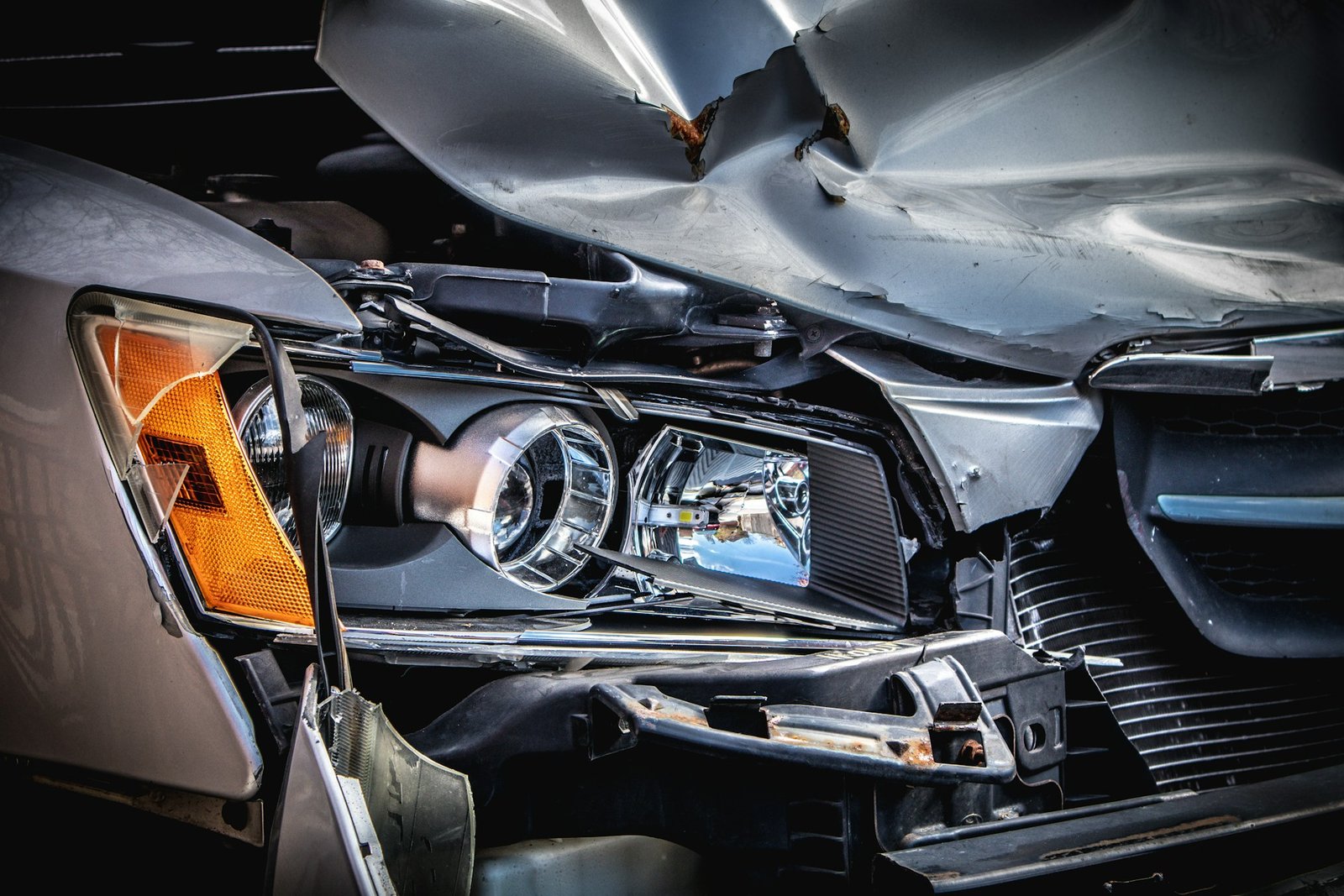
- Photographs of vehicle damage, the accident scene, and any visible injuries
- Contact information from any witnesses who saw the collision
- Surveillance footage locations from nearby businesses or homes
- Paint transfer or debris left behind by the fleeing vehicle
- Your own written account of what happened while the details are still fresh
Insurance Claim vs. Legal Claim Against the Driver
When the at-fault driver cannot be found, your path to compensation depends heavily on your own insurance coverage. This is different from a typical accident claim filed directly against the other driver.
Uninsured Motorist Coverage
Most states allow hit-and-run victims to file a claim under their own uninsured motorist coverage, since the unidentified driver is treated as uninsured by default. This coverage can pay for medical expenses, lost wages, and vehicle damage, depending on your policy limits. Reviewing your policy details early helps set realistic expectations for what is recoverable.
If the Driver Is Later Identified
If law enforcement identifies the fleeing driver, you may have the option to pursue a direct claim against their insurance or file a personal injury lawsuit. This shifts the case from an uninsured motorist claim into a standard liability claim, which can sometimes result in higher compensation depending on the driver’s coverage.
Steps to Take in the Days Following the Accident
- Report the accident to your own insurance company within the timeframe required by your policy.
- Follow up with the police department to check on the status of the investigation.
- Seek medical evaluation even if injuries seem minor, since some symptoms appear later.
- Keep records of all medical treatment, expenses, and missed work.
- Consult a personal injury attorney to review your uninsured motorist coverage and legal options.
Key Takeaways
- Checking for injuries and calling 911 immediately are the most important first steps after a hit-and-run.
- A police report creates the official record needed for both investigation and insurance purposes.
- Photographs, witness information, and surveillance footage locations should be gathered as soon as possible.
- Uninsured motorist coverage is often the primary path to compensation when the driver cannot be found.
- If the driver is later identified, victims may be able to pursue a direct liability claim instead.
- Prompt reporting increases the likelihood that law enforcement can locate the responsible driver.
- Medical evaluation soon after the crash helps document injuries that may not be immediately apparent.