







Deciding where to travel in summer starts with one simple question: what kind of trip do you actually want?
For some people, summer means a beach house, slow mornings, and easy days by the water. For others, it means national parks, mountain hikes, road trips, city weekends, lake rentals, or a quiet place to stay for a longer break. The best summer destination is not always the most popular one. It is the place that fits your budget, schedule, group size, weather preferences, and travel style.
Instead of choosing a destination only because it is trending, start with the experience you want. Then match the location, lodging, transportation, and activities around that goal.
Start by Choosing Your Summer Travel Style
Before booking flights or browsing rentals, decide what kind of summer trip makes the most sense for you.
A relaxing beach vacation is best for travelers who want sun, water, slower mornings, and simple daily plans. Coastal towns, island destinations, lake beaches, and waterfront rentals can all work well, but summer crowds and peak-season pricing should be part of the plan.
An outdoor adventure trip is better for travelers who want hiking, kayaking, camping, national parks, mountain towns, or scenic drives. Summer gives you longer daylight hours and better access to higher-elevation destinations, but you may need to plan around park reservations, trail conditions, heat, wildfire updates, and permits.
A family-friendly vacation should prioritize convenience. Families often need kitchens, laundry, parking, extra sleeping space, easy meals, and nearby activities. Theme parks, beach towns, lake houses, national parks, and drivable cities can all be strong options.
A city break or culture trip is ideal for museums, restaurants, festivals, concerts, shopping, nightlife, and walkable neighborhoods. Cities can work especially well for shorter summer trips, but heat, transportation, lodging location, and event calendars should be considered.
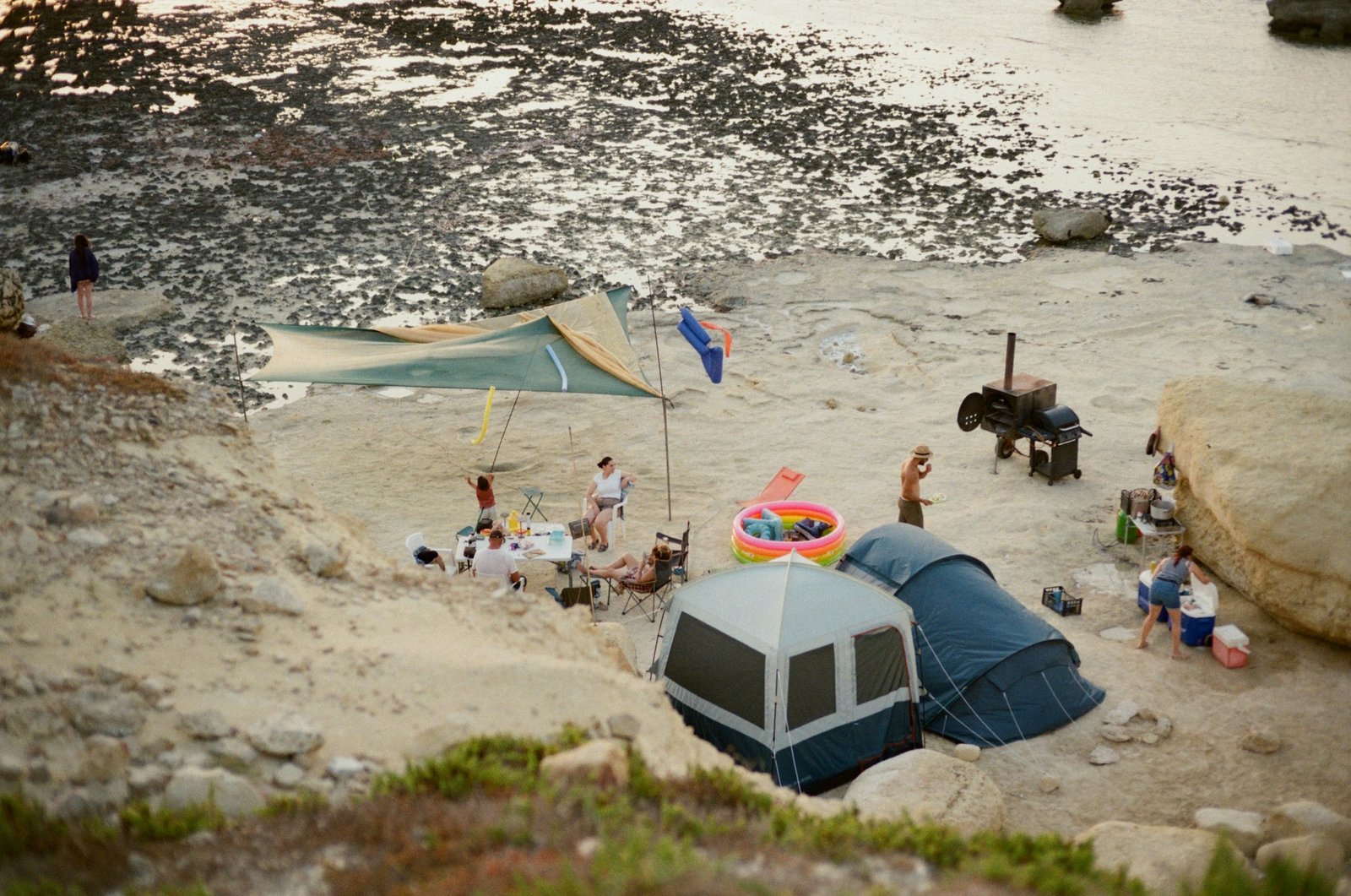
Best Places to Travel in Summer for Beach Trips
Beach destinations remain one of the most popular summer vacation choices because the activities are built into the location. You do not need a packed itinerary when the main plan is swimming, walking, eating, relaxing, and spending time outside.
Classic coastal towns are great for travelers who want a traditional summer feel. Boardwalks, seafood restaurants, beach rentals, local shops, bike paths, and family-friendly attractions make these destinations easy to enjoy. East Coast beach towns, California coastal communities, Gulf Coast destinations, and Pacific Northwest coastal escapes can all work depending on your starting point and budget.
Island getaways are a good fit for travelers who want the trip to feel more immersive. Hawaii, Caribbean islands, coastal islands, or even lake islands can create a stronger sense of escape. These trips usually require more advance planning because flights, rental cars, ferry schedules, and lodging can fill quickly.
Lake vacations are another strong summer option. They are often easier to reach by car and can work well for families, couples, and groups. Swimming, fishing, boating, paddleboarding, grilling, and quiet evenings make lake trips feel relaxed without requiring a lot of planning.
Best Places to Travel in Summer for Outdoor Adventure
Summer is a great time to visit destinations built around fresh air, trails, water, and scenic views.
National parks and scenic regions are ideal for hiking, wildlife, photography, camping, and road trips. Popular parks may require reservations or timed entry, so it is important to check current requirements before going. Travelers should also review trail conditions, altitude, heat, wildfire updates, and park alerts.
Mountain towns are another strong summer choice. They often offer cooler temperatures, hiking, biking, lakes, cabins, scenic drives, and outdoor dining. In summer, these destinations become more activity-focused rather than snow-focused, making them a good fit for travelers who want nature without beach crowds.
River and lake adventure trips are great for kayaking, rafting, paddleboarding, fishing, and boating. These destinations can work well for friend groups, active families, and anyone who wants the trip centered around water. Before booking, consider equipment rentals, guide availability, safety rules, and lodging near the activity area.
Best Places to Travel in Summer for Families
Family travel works best when the destination is realistic. The best family summer trip is not always the most impressive one. It is the one that gives everyone enough space, comfort, activities, and flexibility.
Theme park and attraction-based trips are good for families who want structured activities. Orlando, Southern California, and other attraction-heavy destinations offer plenty to do, but families should plan around heat, ticket costs, crowds, transportation, and rest days.
Beach or lake house trips can be easier for families because they reduce daily packing and give everyone more room. A rental home can make it simpler to manage naps, meals, laundry, parking, and group schedules. Families comparing vacation homes, rental layouts, and destination options can browse KT Rents to see how different property types may fit summer travel plans.
Road trip destinations are also useful for families who want more control over timing and budget. National parks, small towns, beaches, lakes, and regional cities can all make strong summer road trips. The key is planning fuel, meals, rest stops, overnight stays, and a flexible route.
Best Places to Travel in Summer for a Budget-Friendly Trip
Summer travel can get expensive, but smart destination choices can help reduce the total cost.
Drive-to destinations are often a good place to start. Driving may reduce airfare costs, especially for families or groups. Nearby lakes, small towns, state parks, regional beaches, and mountain communities can offer a summer vacation feel without the price of a major tourist hub.
Timing matters too. Early summer or late summer may be less expensive than holiday weekends or peak school-break weeks. Flexible travel dates can help with airfare, lodging, and availability.
It can also help to look beyond the most famous spots. Smaller towns near major beaches, national parks, cities, or lakes may offer better value while still giving you access to the main experience. Staying just outside the busiest area can also mean more space and less crowding.
Best Places to Travel in Summer for Couples
Couples may want a slower, more intentional trip. The best destination depends on whether the goal is food, scenery, rest, culture, or adventure.
Wine country and food-focused trips are great for couples who enjoy restaurants, markets, wineries, patios, scenic drives, and local events. Summer can be a strong season for outdoor dining and relaxed evenings, but lodging and reservations should be booked early.
Quiet coastal or mountain escapes are better for couples who want rest, views, and fewer scheduled activities. Cabins, cottages, small inns, and scenic rentals can create a slower pace. Sunrise hikes, beach walks, lake days, and simple dinners can make the trip feel personal without overplanning.
City weekend trips are ideal for couples who want restaurants, museums, shopping, events, and walkability. For shorter summer travel windows, a well-chosen neighborhood can matter more than the city itself. Stay near the restaurants, parks, venues, or attractions you care about most.
Best Places to Travel in Summer for Remote Work or Longer Stays
Many travelers now combine summer travel with remote work, family visits, or extended stays. For these trips, lodging becomes one of the most important decisions.
Remote workers need reliable internet, desk space, quiet rooms, comfortable seating, and enough privacy for calls. Longer stays also benefit from laundry, a kitchen, parking, storage, and access to groceries.
Travelers planning longer summer stays can use KT Rents to compare rental markets, property types, and housing options across different locations.
Small cities and suburban destinations can be a good fit for longer stays because they often offer more space and better pricing than major tourist hubs. They can still provide restaurants, parks, shops, and day trip options without the pressure of staying in the busiest area.
Rural and slow-travel destinations are also worth considering. Farm stays, cabins, countryside rentals, and quiet small towns can be ideal for travelers who want rest instead of constant sightseeing.
How to Choose the Right Summer Destination
Start with your full budget. Lodging is only one part of the cost. Include flights, gas, food, activities, parking, rental cars, cleaning fees, pet fees, local taxes, and supplies. A cheaper flight does not always mean a cheaper trip.
Next, think about weather. Some destinations are beautiful but extremely hot in summer. Mountain, coastal, and lake destinations may offer more comfortable temperatures, while desert or urban trips may require careful planning around heat.
Travel time also matters. A destination may look perfect, but it may not be worth it for a short weekend if most of the trip is spent getting there. Match the distance to the length of the trip.
Finally, choose lodging based on the trip type. Hotels may work well for city breaks, while rentals may be better for families, groups, longer stays, kitchens, laundry, privacy, or outdoor space. Location matters as much as price.
Summer Travel Planning Tips
- Book early for peak summer destinations. Beach homes, lake houses, national park lodging, and popular attractions can fill quickly. Early planning usually gives you better options.
- Build in rest days. Summer travel often involves heat, crowds, long drives, and full activity days. A slower schedule can make the trip more enjoyable, especially for families.
- Check local rules and fees before booking. Parking permits, beach passes, park reservations, resort fees, cleaning fees, pet fees, and local taxes can affect the final cost.
- Plan around crowds when possible. Travel midweek, visit popular attractions early, choose less crowded neighborhoods, and consider nearby towns instead of the busiest destination center.
Common Summer Travel Mistakes to Avoid
- One common mistake is choosing a destination only because it is popular. Popular does not always mean right for your budget, pace, or group.
- Another mistake is forgetting about heat and weather. Extreme heat can affect walking, kids, pets, outdoor plans, and sightseeing. Choose destinations and daily schedules realistically.
- Waiting too long to book lodging can also limit your options. Summer demand can reduce availability and raise prices, especially in beach, lake, park, and festival destinations.
- Many travelers also underestimate the total trip cost. Transportation, food, activities, parking, supplies, and fees can add up quickly.
- Finally, avoid overpacking the itinerary. Too many activities can make a summer trip feel rushed. Leave room for rest, flexibility, and unexpected discoveries.
Final Thoughts: The Best Summer Trip Starts With the Right Fit
Deciding where to travel in summer depends on your goals, budget, weather preferences, group size, travel time, and lodging needs. The best destination is not always the most famous one. It is the one that matches the kind of summer you actually want.
Start with the trip style first. Then choose the destination, lodging, timing, and budget around that experience. Whether you want a beach house, mountain escape, family road trip, city weekend, or longer remote-work sty, the right summer trip begins with planning around your real needs.