


Moving to another country? That is a big decision at any stage of life. When children are involved, though, there’s even more to think about. Suddenly, it’s not just about finding a job or choosing a place to live. You’re thinking about:
- Schools
- Healthcare
- Paperwork
- Safety
And whether or not your family will actually feel at home.
The good news is, thousands of families make the move to Mexico every year. They do so to build happy, fulfilling lives there. Like any relocation, it comes with a learning curve. But a little research beforehand will make the transition much, much smoother.
Keep reading it Mexico is on your shortlist. You’ll learn the questions you want answered before making the move.
- Navigating Healthcare Systems
Healthcare is usually one of the first things families think about – for very good reason. No one wants to arrive in a new country only to realize they don’t know where to go if someone gets sick. Mexico has both public and private healthcare. The experience you will have varies depending on where you live. Many expatriate families choose private healthcare. Why? Because it often offers shorter waiting times, English-speaking doctors in larger cities, and a wider choice of hospitals and specialists.
That said, it’s worth spending more time researching. Look into what’s available in the area you’re considering. A town that seems perfect in every other way might not have the medical facilities your family needs close by – and that’s your focus should be.
Before relocating, many families also arrange health insurance. They also identify nearby clinics, hospitals, and pharmacies. An insurance provider could help with this. It’s one of those jobs that’s easy to overlook. You’ll appreciate having everything sorted if you ever need medical care unexpectedly, so don’t leave it to the last minute.
- Choosing the Right Education and Schooling
If you’re moving with children, schools end up being the deciding factor when choosing where to live. Every family has different priorities. Some want their children to become fluent in Spanish and choose local schools. Others prefer bilingual or international schools that follow similar curriculums from the United States, Canada, and the United Kingdom.
Neither option is right or wrong… It simply depends on your long-term plans and what you think will suit your child best. This is why you must know what you want from the move. Don’t just make the decision in the moment. Whatever you decide, don’t rely entirely on school websites. If possible, arrange a visit before making the final decision. Walk around the campus. Meet the teachers. See students in the classrooms. This often tells you far more than a prospectus ever could.
It’s also worth speaking to other parents. Local expat groups and community forums are excellent places to ask honest questions about schools you’re thinking about.
- Assessing Regional Safety Risks
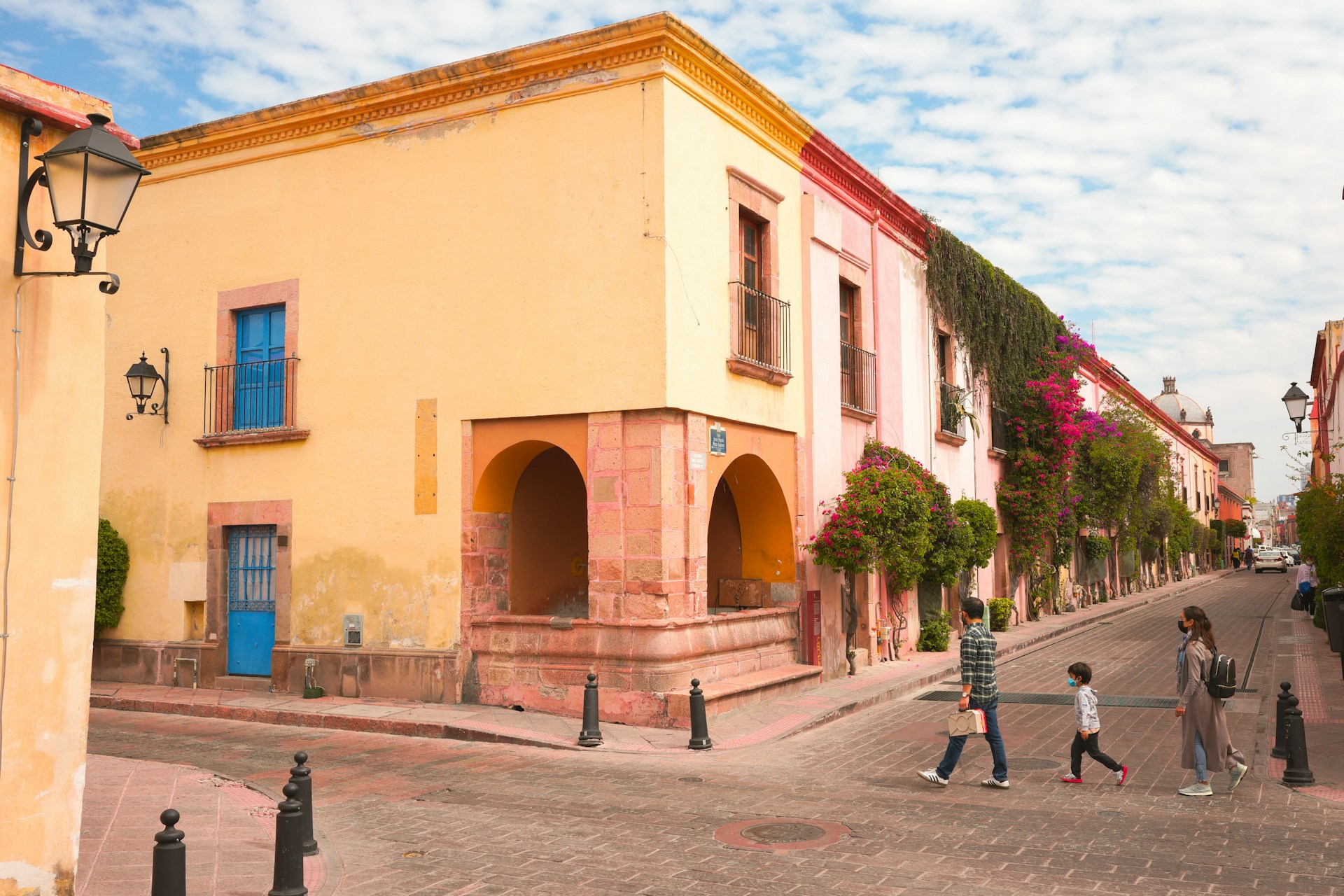
Safety. It is typically the first topic people bring up when someone mentions moving to Mexico. The reality is much more nuanced than headlines sometimes suggest.
Mexico is a large country. Experiences vary enormously from one region to another. Some areas experience higher levels of crime than others. While many communities are peaceful places where families, retirees, and international residents have lived a happily ever after – and for years! That’s why researching specific locations is far more useful than making decisions based on general assumptions about the country as a whole.
Many people relocating to Mexico spend time comparing the safest cities in Mexico, looking at specific factors – community atmosphere, crime statistics, local amenities, and the experiences of residents already living there. So, visit potential neighborhoods in person, if possible. This gives you a much better sense of whether an area feels like the right fit for your family.
As with moving anywhere, choosing the right neighborhood often matters just as much as choosing the right city.
- Securing Legal Residency
Paperwork probably isn’t the most exciting part of planning an international move. It is one of the most important.
The type of residency you’ll need depends on your circumstances. Some families move because of work opportunities. Others are joining relatives already living in Mexico. Some are planning a long-term lifestyle change. Because immigration rules change, it’s worth checking the latest requirements well before you plan to move. Giving yourself plenty of time to gather documents, complete applications, and understand the process saves a great deal of stress later.
Keep copies of important paperwork – both physical and digital. Doing so makes life far easier while you’re settling in.
To conclude, moving your family to another country – specifically Mexico – will always come with plenty of questions. That is perfectly normal. Only being prepared will ease the stress and uncertainty that such a big move can cause. And fortunately, this post is here to help.