



For busy families, a useful dancewear kit starts with pieces that stay comfortable through warm-ups, drills, and repeated changes of direction. The right choices should be close-fitting without feeling restrictive, easy to wash, simple to pack, and realistic for the family budget. Comfort supports concentration and helps young dancers feel confident as they learn new combinations or correct technique.
Leotards, tops, and dance skirts
A leotard gives teachers a clear view of the dancer’s posture and alignment, which makes it a dependable choice for ballet and first ballet classes. For jazz or mixed classes, a fitted tank, camisole, or close-cut T-shirt can offer a little more flexibility in styling. Families can look for pieces that feel soft, age-appropriate, and polished enough for class without paying premium activewear prices. Affordable, colorful leotards from a value-focused brand like Stelle can be a practical starting point here.
The neckline and armholes should lie flat while the dancer reaches overhead and bends forward. Loose fabric can twist during turns, while overly firm elastic may become distracting before class is halfway through. Coordinated colors, simple silhouettes, and a few trend-forward details can make outfits feel special while still working across several lessons.
Tights, leggings, and fitted dance pants
Tights provide coverage and warmth while allowing instructors to see leg placement. Footless or convertible styles can be practical when dancers move between shoes or combine disciplines in one day. Leggings and fitted dance pants are often more useful for jazz and tap, especially when a studio allows them.
The waistband should remain in place without digging into the waist. Seams should feel smooth at the inner thigh and behind the knee, where repeated bends can expose rough stitching. Durable tights or leggings that hold their shape through washing are especially useful for moms trying to build a dependable weekly rotation.
Warm-up layers for changing temperatures
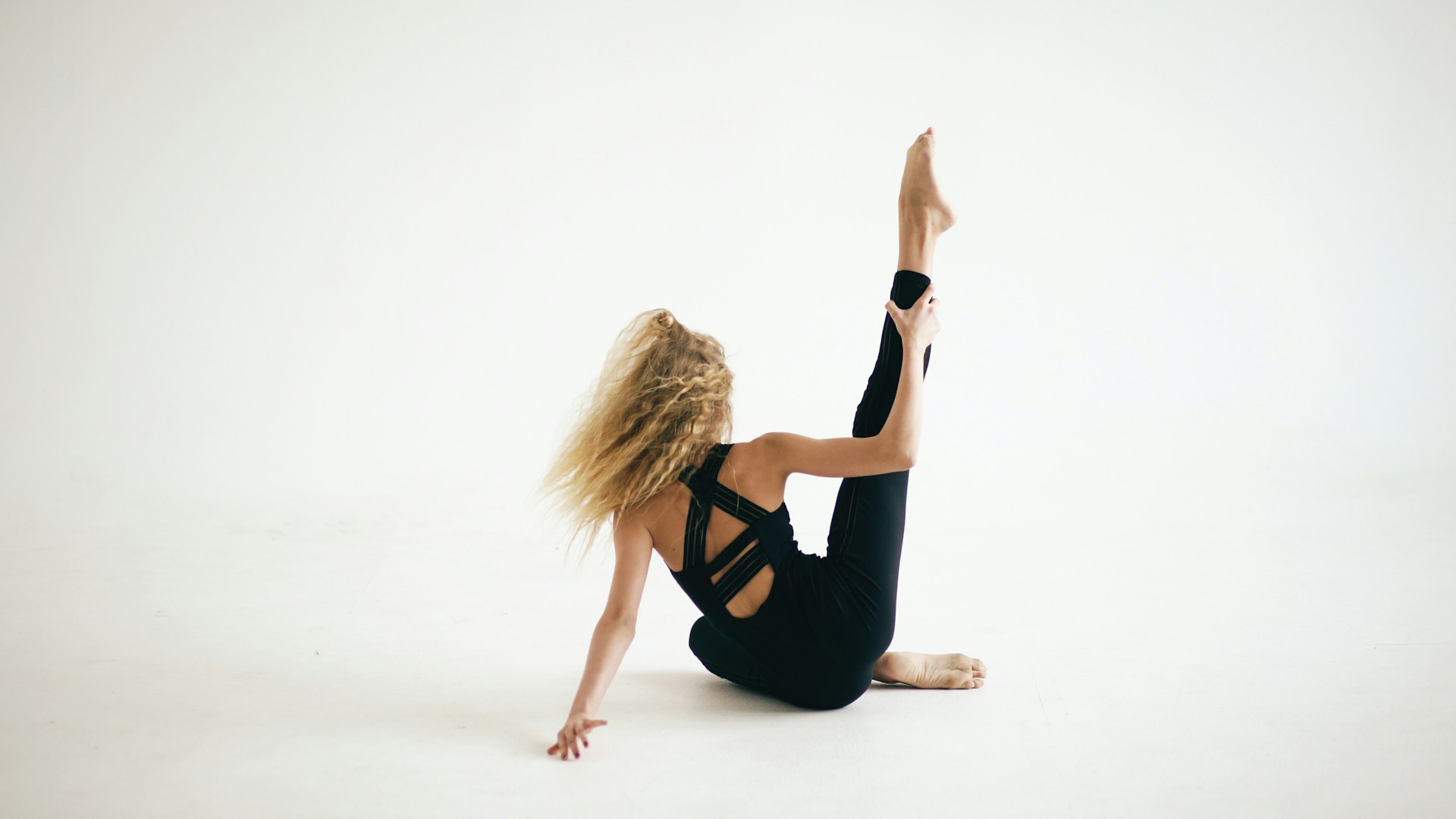
Studios can feel chilly at the start of class and warm after sustained movement. A wrap sweater, fitted cardigan, dance shrug, or soft warm-up pant helps a dancer ease into activity without borrowing bulky street clothing. Practical layers should come off easily, fit inside the dance bag, and support a smoother routine for both parent and child.
A simple warm-up sequence works best when each piece has a clear purpose:
- A close-fitting top keeps the torso warm without hiding alignment.
- Leg warmers help retain warmth around the calves and ankles.
- A soft wrap or shrug adds coverage before class and during breaks.
- Lightweight warm-up pants protect muscles during early exercises.
After the body is warm, the outer layer should be removed or adjusted. Keeping the studio outfit streamlined reduces distractions and prevents fabric from catching on a barre or another dancer.
Hair accessories and studio essentials
Hair should be secured away from the face, particularly for ballet combinations that require a clear view of the head and neck. A bun, braid, or neat ponytail can work depending on hair length and class expectations. Soft elastics, pins, and a small brush are worth keeping in the bag rather than relying on a last-minute search.
Other essentials include water, a towel, spare socks, and a labeled garment bag. A small first-aid pouch can hold blister protection and basic bandages for minor shoe friction. These details take little space, but they make a long class day calmer for busy parents and more predictable for young dancers.
Choose the right ballet dancewear
Ballet clothing should allow teachers to observe alignment while giving dancers enough freedom to point, bend, and balance. The right shoes matter just as much as the visible outfit because an unstable fit can change how a dancer uses the floor. Families can keep the decision practical by checking the dress code first, then comparing quality, comfort, and price before buying several colors or specialized pieces.
Ballet slippers and the role of proper fit
Ballet slippers should fit closely around the foot without folding painfully at the toes. The heel should stay in place during tendus and rises, and the sole should allow the dancer to feel the floor. A shoe that is too large may bunch under the arch, while one that is too short can restrict the toes.
Sizing varies by maker and by shoe construction, so a dancer should use the current size chart and follow the studio’s guidance. Trying shoes with the tights normally worn for class gives a more realistic fit. The elastic should secure the shoe, not create pressure across the top of the foot.
When to consider Stelle ballet shoes
Stelle ballet shoes may be considered when families want accessible ballet basics for young dancers and need to compare comfort, construction, and fit before ordering. As a beginner-friendly, affordably priced brand, Stelle tends to suit dancers who are still building their first kit. Product descriptions may list details such as a breathable PU upper, a suede leather sole, and a soft cotton lining, along with no-drawstring or adjustable drawstring options. That makes the choice less about a universal “best” shoe and more about which closure and fit suit the dancer.
The product descriptions may also list use for ballet dance practice, gymnastics, yoga, modern dance, and stage performance. Families should still confirm that the construction and color meet the class or performance requirement before ordering. For sizing, measuring foot length and consulting the listed chart is a more reliable starting point than guessing from street-shoe size, especially when ordering online.
Pink tights, leotards, and class dress codes
Many ballet programs request pink tights with a traditional leotard, though exact colors and layering rules differ by age group and school. Some classes allow a skirt or fitted warm-up layer, while others require the standard uniform for every lesson. A quick check of the dress-code notice prevents an otherwise good outfit from becoming unusable. Tights should be opaque enough for the setting and long enough to cover the ankle without excess fabric at the shoe. Dancers who need foot access may prefer convertible tights, if the studio permits them. Keeping one spare pair in the dance bag is a small, budget-friendly habit because snags can happen just before class.
Ballet skirts, tutus, and optional layers
A simple ballet skirt can add warmth and personal comfort without interfering with movement. It should sit securely at the waist and fall lightly over the hips rather than cling or swing widely. Tutus are usually reserved for performances, rehearsals, or specific class activities, so they are rarely a daily substitute for practical training wear.
Optional layers should be removed when they interfere with a teacher’s view of the knees, hips, or back. A dancer can also use a skirt to feel more covered during arrival and remove it for barre work. That small adjustment keeps the outfit both comfortable and instruction-friendly.
Select apparel for jazz classes
Jazz classes often move quickly between traveling steps, turns, jumps, and floorwork. Clothing needs to stay close to the body while allowing a fuller range of motion than a formal ballet uniform may provide. Dancers should choose pieces that remain secure during both upright combinations and grounded movement, while parents can prioritize washable, versatile pieces that also work for practice days.
Jazz pants, leggings, and fitted shorts
Jazz pants, leggings, and fitted shorts each suit a different preference and studio temperature. Full-length pants offer coverage for floorwork, while shorts make the knees and lower-leg placement easier to observe. Leggings are a flexible middle option when they have a stable waistband and enough stretch through the seat.
The hem should not drag beneath the shoe or bunch behind the knee. Fitted shorts should stay in place during kicks without cutting into the upper thigh. A dancer who alternates between warm studio layers and a lighter rehearsal outfit may find it useful to carry two bottoms rather than wearing one compromise piece all day.
Tops that support movement and alignment
A fitted tank, crop top worn within the studio rules, or close-cut T-shirt can keep the torso visible and comfortable. The shoulder seams should allow arm swings without pulling across the chest or sliding toward the neck. Tops with excessive fabric can obscure posture during corrections and become awkward during floor sequences.
Support needs vary with age, activity, and personal comfort. A built-in shelf bra may be sufficient for some dancers, while others prefer a separate supportive layer. Any underlayer should lie smoothly beneath the top and remain comfortable during repeated jumps.
Jazz shoes for turns, jumps, and floorwork
Jazz shoes should feel secure around the heel and flexible across the forefoot. The sole needs to let the dancer articulate the foot while still offering a predictable relationship with the floor. A shoe that slips during a turn or grips unexpectedly during floorwork can make technique harder to control.
The appropriate style depends on the teacher’s preference and the class level. Dancers should try shoes with the socks or tights they normally wear and test a few pliés, rises, and directional steps. New shoes may need a short break-in period, but they should not cause sharp pain or numbness.
Choosing breathable and flexible fabrics
Breathable fabrics help manage heat during fast combinations, while stretch allows the garment to follow the body without pulling at the seams. Blends containing elastane are common for fitted dancewear, but the label alone does not guarantee comfort. The fabric should recover after stretching rather than staying loose at the knees or elbows.
A dancer can check flexibility by raising the arms, bending the knees, and twisting gently before buying. Moisture that stays against the skin may lead to discomfort during a long rehearsal. For that reason, a lighter layer underneath and a dry change of clothes afterward can be as valuable as the original outfit.
Prepare for tap classes
Tapwear must support clear, controlled footwork while keeping the dancer comfortable through repeated sounds and impact. The shoes are the central purchase, but the clothing still affects how easily the legs and feet can be seen. A practical tap outfit is secure, washable, and distinct from the softer lines often preferred for ballet.
Tap shoes by style, level, and sole design
Tap shoes come in different shapes and constructions for beginners, developing dancers, and more advanced work. A secure heel, comfortable toe box, and properly fastened closure matter more than decorative details. The sole and heel should create a stable platform without making the shoe feel heavy or difficult to lift.
A teacher or studio may specify a particular style, so families should ask before purchasing. The dancer should test basic steps and bends in the shoes, listening for secure contact rather than focusing only on the sound. A shoe that pinches, slips, or bends in an unexpected place will become a problem during practice.
Clothing that allows clear footwork
Fitted leggings, dance pants, or shorts allow teachers to see ankle, knee, and hip action. Very wide trousers can hide footwork and catch beneath the shoe, especially during quick changes of direction. A close-fitting top keeps the upper body readable without limiting arm movement.
The outfit should also tolerate contact with the floor. Some dancers prefer longer pants for comfort during floor exercises, while others choose shorts when the class focuses on traveling steps. The best option is the one that stays out of the way and meets the studio’s dress code.
Socks, tights, and comfort considerations
Socks can soften the fit of tap shoes and reduce rubbing around the heel. They should be thin enough that the shoe remains secure, but not so thin that the foot slides inside it. Tights may work for dancers who want a continuous line, provided the shoes still fit correctly over them.
A spare pair of socks is useful after a warm class. Dancers should check for hot spots, redness, or pressure before those signs become blisters. If a new shoe needs adjustment, it is better to address it before a full rehearsal rather than hoping the discomfort disappears.
How tapwear differs from ballet and jazz attire
Ballet often favors a visible, elongated line and a close relationship between the foot and floor. Jazz clothing allows more variation, with garments chosen for turns, jumps, and floorwork. Tapwear places special attention on stable footwear, visible lower-leg action, and clothing that does not interfere with sound-producing steps.
The same dancer may therefore need separate outfits even when the classes occur on the same day. Reusing a clean fitted top is reasonable, but shoes should not be treated as interchangeable across disciplines. Packing each class as its own small set keeps changes quick and prevents the wrong footwear from reaching the studio.
Get the fit, materials, and sizing right
Dancewear should feel secure at the start of class and remain comfortable after an hour of movement. Measurements are more dependable than age labels or assumptions based on everyday clothing. Since children and teens can grow quickly, fit should be checked at the beginning of each term and before important performances.
Measuring dancers before buying
A dancer should be measured in light clothing and should stand naturally rather than stretching tall or holding the breath. Useful measurements may include height, chest, waist, hips, inseam, and foot length, depending on the item. The chart for the specific garment or shoe should then guide the purchase.
A small record can make repeat shopping easier, especially when several classes use different gear. These measurements are the most useful starting points:
- Height helps compare overall garment length.
- Chest, waist, and hip measurements guide fitted apparel.
- Inseam helps prevent pants from dragging or riding up.
- Foot length supports a closer shoe-size comparison.
Measurements should be treated as a guide, not a substitute for checking the finished fit. If a dancer falls between sizes, the studio’s advice and the garment’s stretch should be considered together. The item should still be tested through ordinary dance positions before its tags are removed.
Balancing secure support with freedom of movement
A well-fitting leotard lies flat at the torso and does not pull at the shoulders when the arms lift. Pants should allow a deep plié and a high leg lift without exposing the waistband or restricting the hips. Shoes should stay in place while the toes remain able to spread naturally.
Dancers can perform a short fitting check with pliés, tendus, lunges, arm circles, and a gentle jump. Any sharp pressure, pinching, or repeated readjustment is a warning sign. Slightly close is often preferable to loose in dancewear, but close should never mean painful.
Comparing leather, canvas, and synthetic materials
Leather shoes can mold gradually to the foot, while canvas is often light and flexible. Synthetic materials may offer a simple-care surface and a consistent shape, depending on the construction. The right choice depends on the class, the studio’s expectations, climate, and the dancer’s comfort.
Material should be considered alongside lining, sole design, closure, and maintenance instructions. A breathable lining may matter more than the outer material for a dancer who heats up quickly. Families should avoid assuming that a higher price or a familiar material automatically guarantees a better fit; comfort, durability, and studio approval are the better tests.
Recognizing signs that dancewear no longer fits
Outgrown dancewear often announces itself through constant adjustment. Straps may dig in, tights may become transparent when stretched, and pants may stop reaching the ankle. Shoes may crease in the wrong place, pinch the toes, or allow the heel to lift.
A quick monthly check can catch these changes early. The dancer should try each item in the movements used during class, not just stand still in front of a mirror. Replacing one poorly fitting piece can improve comfort more than adding several new accessories.
Organize and maintain a complete dancewear kit
A complete kit is easier to use when every class has a planned outfit and a consistent place in the bag. Organization also protects shoes and reduces the chance of arriving without tights, hair supplies, or the correct footwear. A few repeatable habits are enough; the system should support the family’s routine, not add another complicated task.
Packing separate outfits for each class
A dancer attending ballet, jazz, and tap on the same day should pack each outfit as a separate bundle. A breathable pouch can hold clothing, while a shoe bag keeps soles away from clean garments. Labeling the bags by class or color can help younger dancers change independently.
The bag should include a clean backup layer and the small items most likely to be forgotten. Before leaving, the dancer can check:
- The correct shoes for the next class.
- Clean tights, socks, or leggings.
- A suitable top and any approved skirt or warm-up layer.
- Hair ties, pins, water, and a towel.
That short check works best when done before the bag is placed by the door. After class, damp garments should come out rather than remaining compressed overnight. A lighter, organized bag is easier to carry and easier to restock.
Cleaning and drying dance shoes safely
Shoes should be cleaned according to their material and the manufacturer’s instructions. Surface dirt can often be removed gently, but soaking or machine washing a shoe without permission may affect its shape, sole, or adhesives. After use, shoes should be opened and allowed to dry naturally away from direct heat.
Sweaty apparel should be separated from shoes as soon as possible. A dancer can use a washable shoe pouch or ventilated compartment to reduce trapped moisture. If an odor or dampness persists, the item may need more frequent cleaning or replacement.
Storing shoes to preserve their shape
Dance shoes should be stored in pairs with closures loosened enough to avoid unnecessary strain. They should not be crushed beneath books, water bottles, or heavy clothing. A cool, dry place helps preserve materials between classes.
Shoe bags are useful, but they should allow the shoes to air out after wear. Stuffing shoes with soft, clean paper can help them keep their shape when needed, provided the material is dry and does not press against delicate sections. Shoes should be checked before packing for the next lesson.
Replacing worn dancewear and footwear at the right time
Replacement is due when an item no longer supports safe movement or comfortable practice. Thin fabric, stretched elastic, split seams, worn soles, and persistent odor are practical signs rather than reasons to wait for a complete failure. For shoes, loss of structure or an unreliable fit deserves prompt attention.
A dancer’s growth and class schedule affect how quickly items wear out. Keeping a simple note of purchase dates and condition can reveal patterns without turning maintenance into a chore. The goal is dependable, affordable equipment that helps the dancer focus on class instead of managing a failing garment or shoe.
Conclusion
A thoughtful dancewear kit balances fit, comfort, studio rules, budget, and the specific demands of ballet, jazz, and tap. With measured sizing, separate class-ready outfits, and regular care, dancers can move with fewer distractions and arrive prepared for each lesson. The best kit is not the largest one, but the one that reliably supports practice and helps young dancers feel confident.