


Most London postcodes tell you who has money. Earls Court tells you who has just arrived. For close to a century this half square mile of West London has worked as the city’s arrivals hall.
People land here first, stay a while, then move on or move up. The accents change every decade or so. The stuccoed terraces stay put. That churn is the whole character of the place, and to understand Earls Court you follow the people who kept passing through it.
The corridor that kept changing its accent
After the Second World War, Polish officers who could not go home under Soviet rule settled around Earls Court Road. They opened small shops and businesses, and the stretch earned a nickname that stuck for years: the Polish Corridor.
By the late 1960s a different crowd had taken over. Australians, New Zealanders and white South Africans used Earls Court as their London base, so many of them that the district picked up a new label, Kangaroo Valley. A traveller fresh off a long flight could find a bed, a pub and the start of a job all within the same few streets.
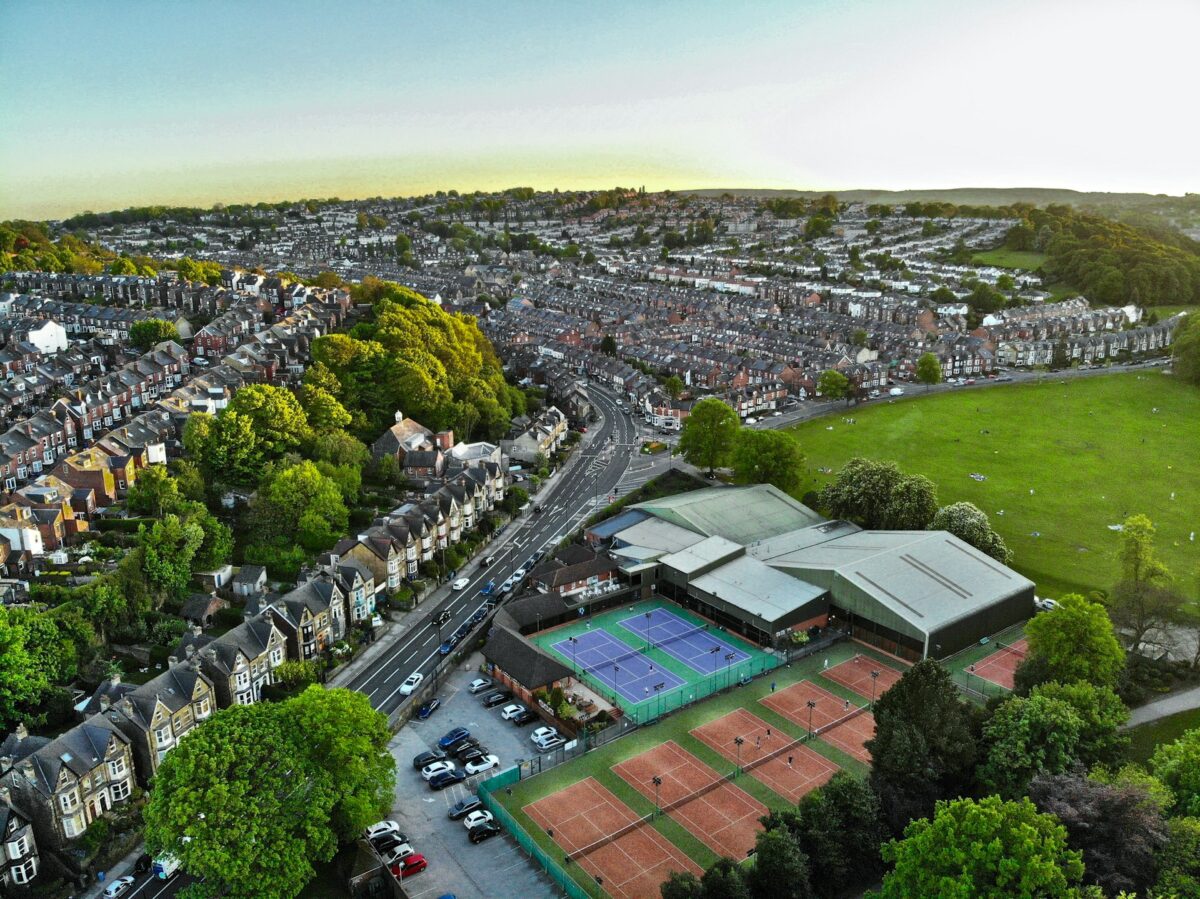
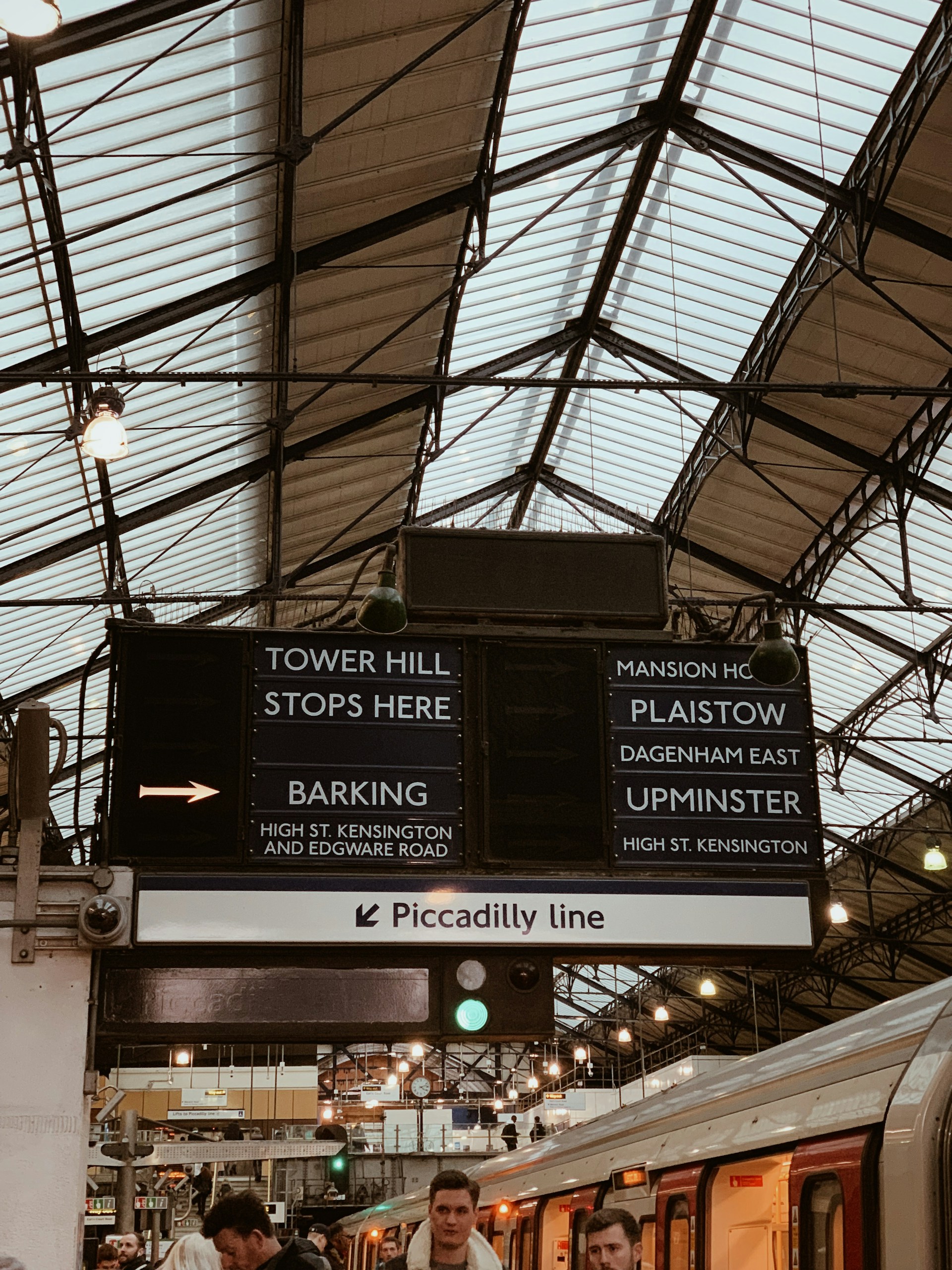
The housing made it possible. Grand Victorian terraces had been carved into bedsits, small hotels and hostels, which earned the area a second nickname, Bedsitter Land. Cheap rooms and a fast train suited people who were only planning to stay a season. The District line had served the area since the 1860s, the Piccadilly line since 1907. Earls Court station, where those two lines meet, made the district an easy first stop for anyone arriving with a suitcase and no fixed plan.
When the big shed came down
For most of the twentieth century, one building set the rhythm of the place. The Earls Court Exhibition Centre opened in 1937 and pulled the world in by the trainload.
The Ideal Home Show, the Motor Show and the Boat Show filled its halls. It hosted Olympic events in 1948 and again in 2012. Led Zeppelin, Pink Floyd and Queen all played there. For decades the surrounding streets ran on that footfall, with hotels, cafes and cab drivers all fed by whatever was on that week.
Then it stopped. The centre closed in December 2014 and the demolition was finished by 2017. Losing it took the reliable crowds with it, and the roads around the cleared site felt suddenly quiet.
What is replacing it is far bigger than the building ever was. The land is now one of the largest regeneration schemes in London, a project valued at around ten billion pounds with roughly four thousand new homes planned.
It is led by the Earls Court Development Company, a partnership that draws in a private developer, a Dutch pension fund and Transport for London’s property arm. The scheme is not due to finish until the 2040s, and it reached a major milestone late in 2025, so the cranes will define this corner for years yet.
Who lives on the mile now
The 2011 census counted about nine thousand residents in Earls Court, and the mix has always leaned international. That has not changed. It has simply grown richer. Earls Court sits on the border of Kensington and Chelsea and Hammersmith and Fulham, a short walk from some of the most expensive streets in Europe. As Kensington, Chelsea and Knightsbridge priced out all but the wealthiest, the buyers who wanted a West London address looked outward. Gulf and European money that wanted the postcode without paying the very top price found its way here.
So the population now runs in two layers. Long-term residents and renters share the pavements with international professionals, students and part-time owners who keep a flat for part of the year. Some are here for years. Many are here for weeks. The transient habit that made Kangaroo Valley never really left. It just traded the backpack for a wheeled suitcase.
The service economies of a passing-through place
A neighbourhood built on people who are only in town for a while develops its own trades. Earls Court has always run on services that suit visitors more than settlers. You can read it in the shopfronts. Currency desks, short-let agencies, interpreters, private-hire firms, concierge services and late-opening cafes all exist because a good share of the customers are foreign, mobile and paying for convenience. These are international service economies in miniature, and they rise and fall with who happens to be in town.
Companionship sits inside that same economy. A discreet Earls Court escort agency works on much the same logic as the interpreter or the private-hire office down the road. Its clients are often visiting rather than resident, they value privacy, and they are paying for ease in a city they do not know well. Seen that way, it is less an oddity than another of the international services a place like this has always supported.
Still the arrivals hall
Earls Court has been Polish, then Australian, then global. The exhibition centre came and went. The regeneration will reshape the skyline again by the 2040s.
What holds through all of it is the role. This has always been the postcode where London’s newcomers land first, and everything on the mile, from the old bedsit to the concierge desk, has been shaped around that one fact. The suitcases keep arriving. Earls Court keeps taking them in.