
A swimsuit earns its place over a whole day, not over the two minutes spent in front of a dressing room mirror. The one that feels fine at ten in the morning still has to hold up through lunch on a deck chair, a walk back to the pool, and a swim with the grandchildren before the light goes soft.
That longer view changes which details matter. Cut and print get most of the attention because they are the easiest things to judge quickly. Structure, sizing, and sun exposure decide how the afternoon actually goes, and every one of them can be checked before a suit ever leaves the store.
Start With The Day, Not With The Style Name
The same suit behaves differently depending on what the day asks of it. A morning of real swimming rewards a secure top and straps that stay put through waves. A cruise deck spent mostly upright rewards coverage that sits comfortably while seated, plus fabric that dries between dips.
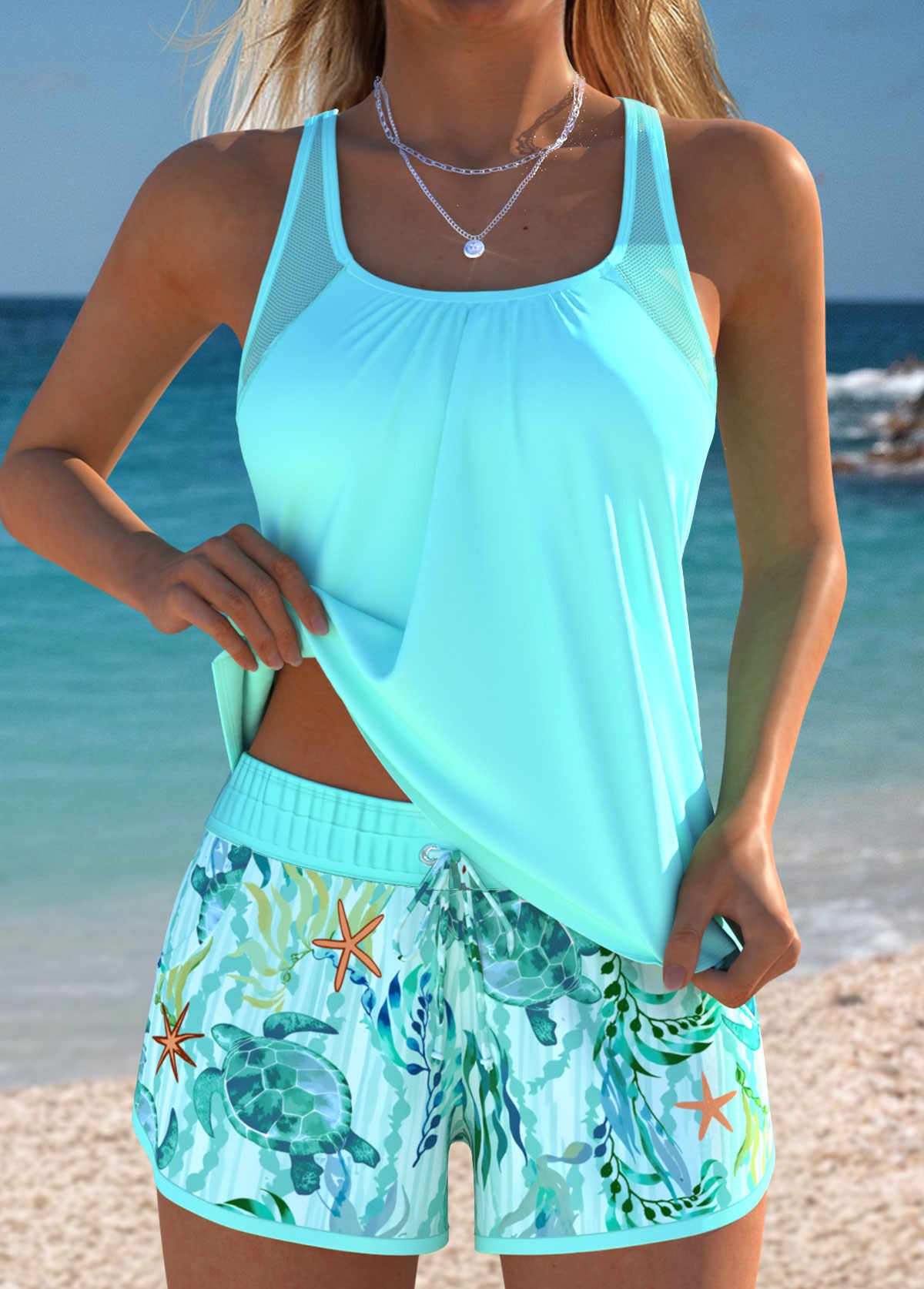
Warm-winter travel adds a third case. There the suit lives under a cover-up for long stretches, gets packed damp, and comes out again the next morning. Quick-drying fabric and a shape that survives a suitcase matter more in that situation than a neckline that photographs well.
Sorting the day first narrows the field faster than any style chart does. Once the main activity is settled, the questions that follow — how much support, how much coverage, one piece or two — tend to have obvious answers instead of competing ones.
Four Checks You Can Run In The Dressing Room
Comfort problems announce themselves early, and they get louder once a suit is wet. Slight pinching or a strap that digs a little turns into a real complaint three hours in. Four quick movements catch most of it while there is still time to swap a size.
- Raise both arms overhead and watch the leg openings and the hemline. A suit that rides up here will ride up in the water.
- Sit down and look at the midsection. Fabric that stacks into folds when seated does the same thing on a lounge chair.
- Pull a strap two inches off the shoulder and let go. A slow, lazy return means the elastic is already near its limit.
- Look down at the top edge of the cups. A visible gap while standing still becomes a wider one as soon as there is movement.
Measuring beats guessing. Swim fabric stretches, so a suit that reads snug while dry can feel loose after an hour in chlorinated water. Taking a tape to bust, waist, hip, and torso length, then reading the size chart the maker publishes rather than assuming a usual dress size, prevents most returns.
The small irritations count too. A scratchy tag at the neck, a seam that rubs at the inner arm, an elastic edge that leaves a mark after ten minutes — each one is a full day of low-level annoyance, and none of them improve with wear.
Straps, Seams And The Support Built Inside
Tummy Control Graffiti Print Multi Color One Piece Swimwear
Support comes from three places at once, and a suit leaning on only one of them tends to disappoint. Straps carry the weight, seams shape the fabric, and an inner layer does the quiet work nobody sees from the outside.
Wider straps spread load across more of the shoulder, which is why they stay comfortable far longer than thin ones. Adjustable hardware matters as much as width, since swim elastic relaxes with use and a strap set once in spring will want shortening by August.
Seams and linings finish the job. Princess seams and side panels build curve into the shape instead of relying on stretch alone, while ruching across the midsection lets fabric skim rather than cling. Suits that stay comfortable past the first hour manage it through construction like this, not through tighter elastic.
Sun Exposure Deserves Its Own Decision
Coverage and sun protection get treated as one question when they are really two. A suit can cover a good deal of skin and still let plenty of ultraviolet light through, because protection depends on how tightly the fabric is knit and how it behaves once it is wet.
The rating worth looking for is UPF. A fabric in the 30 to 49 range offers solid protection, and 50 or above sits at the top of the scale. For comparison, an ordinary white cotton tee measures around 7, and that falls to roughly 3 once it is damp, which makes throwing a shirt over a suit a weak substitute for a rated fabric.
Anyone planning long stretches outdoors does better filtering by coverage and fabric than by style name. High necklines, short-sleeve swim tops, and longer tankini lengths all extend protection without adding bulk, and sorting through women’s swimwear by those features rather than by category label brings the practical options forward much sooner.
Sizing Behaves Differently In One-Piece And Two-Piece
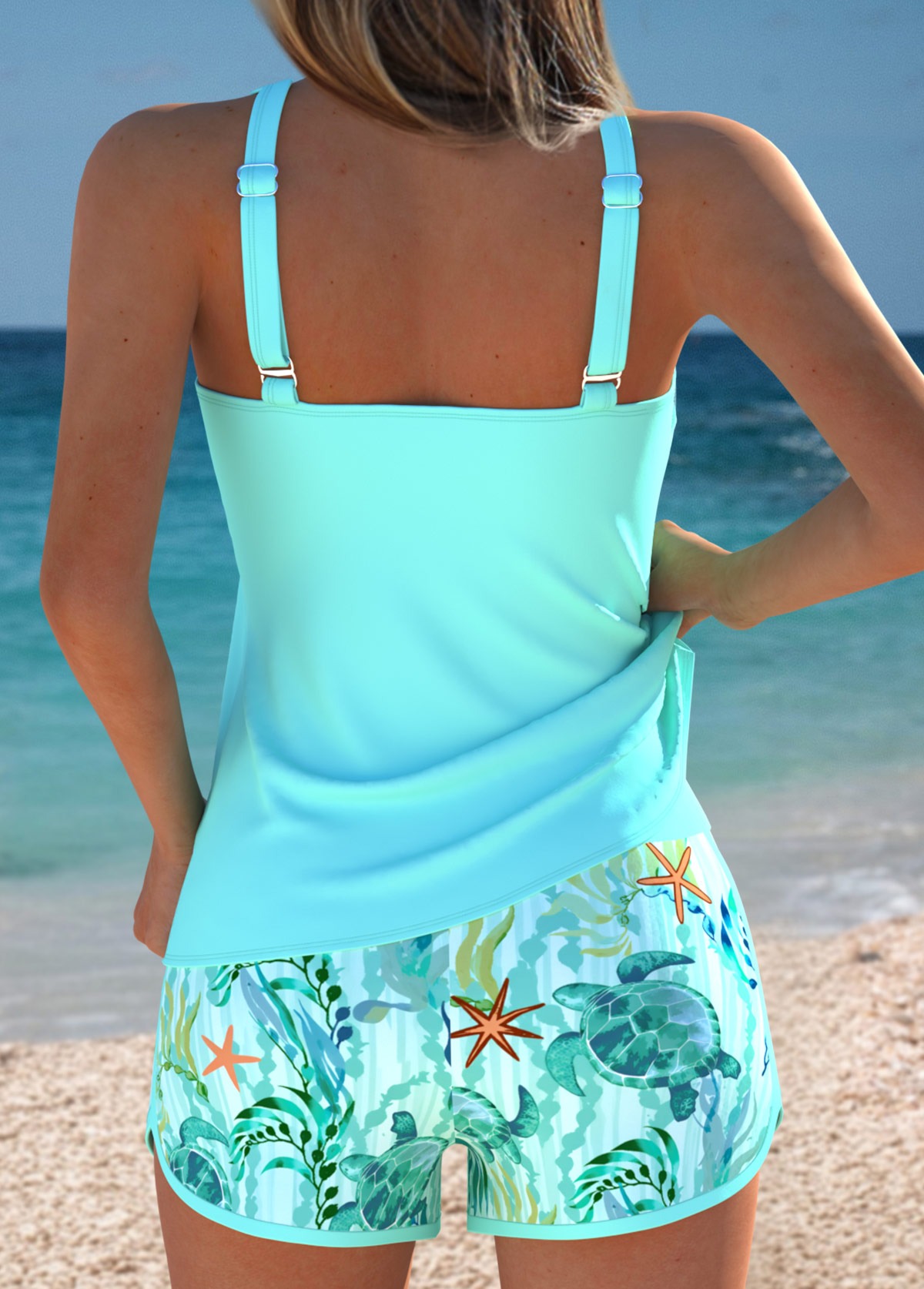
Green Mid Waisted Lace Up Tankini Set
A two piece solves something a one piece cannot. Tops and bottoms can be bought in separate sizes, which matters for anyone whose bust and hip measurements land in different columns of the chart. Tankinis stretch that flexibility further by adding length choices on top of it.
A one piece has to satisfy bust, hip, and torso length at the same time, and torso length is the number most often left out. Extended ranges are worth attention here: a label such as Modlily runs XS through 6XL and cuts its larger sizes from separate patterns instead of scaling a base size up, which is what keeps proportions honest at that end of the chart.
Working through the day ahead, the dressing room checks, the support details, and the size chart takes maybe twenty minutes. That is a modest investment against a suit worn dozens of times across a season, and it is the difference between something packed for every trip and something that stays folded in a drawer.