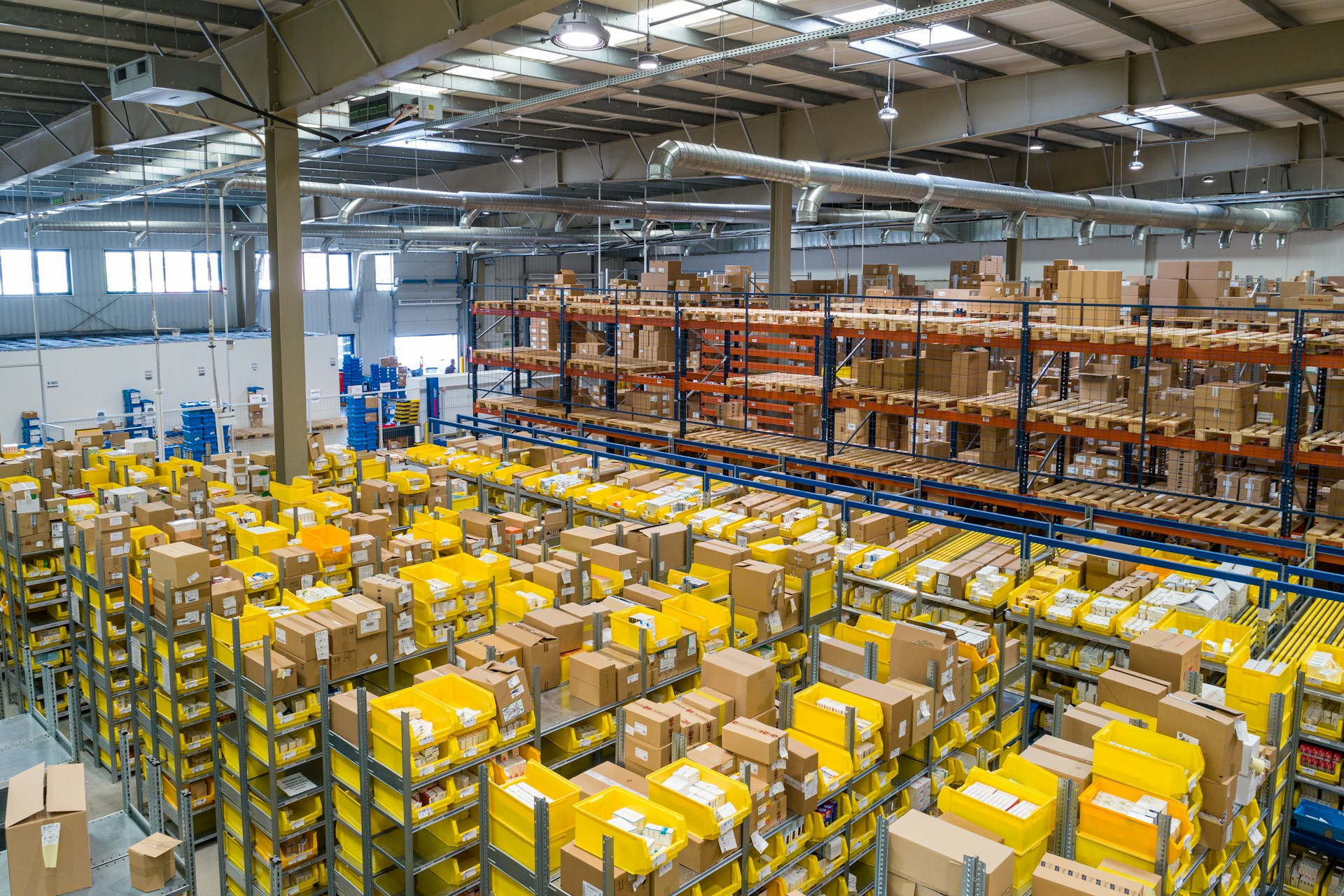

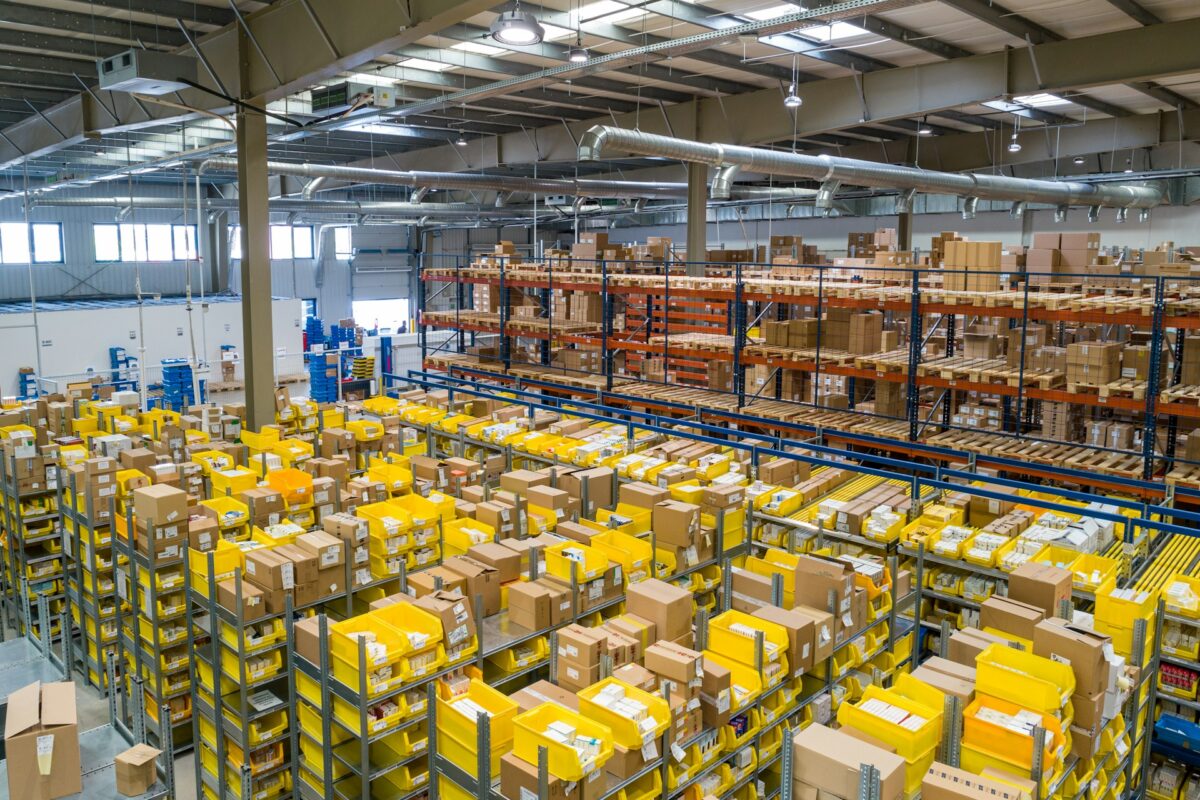

When you’re storing food products, you can’t just put them in a warehouse and forget about them. That’s a fast way to make a loss. After all, there’s a lot to consider. Different foods need different conditions. Stock has to be kept moving. And some products need to be kept well away from others.
For a food business, the warehouse you choose has a direct impact on three main factors:
- Product quality,
- Waste,
- And customer safety.
So, what should you actually look for? Keep reading on to find out.
Precise Temperature Control and Mapping
Temperature is one of the first things to consider.
Some foods need to stay chilled. Others need to be frozen. Even products that can be stored at room temperature may have specific conditions they need to stay within. If temperatures aren’t kept under control, products could lose quality or – in some cases – become unsafe. A good food-grade warehouse should have reliable temperature monitoring in place, not just a thermostat on the wall. Temperatures need to be checked regularly. Ideally with systems that flag a problem if something starts to go wrong.
Temperature mapping is useful here, too. It involves checking different parts of the storage area to see whether the temperature stays consistent. This could reveal warmer or colder spots that might otherwise go unnoticed. For businesses storing food, that extra level of monitoring provides some much-needed peace of mind.
Advanced Inventory Management (FEFO/FIFO)
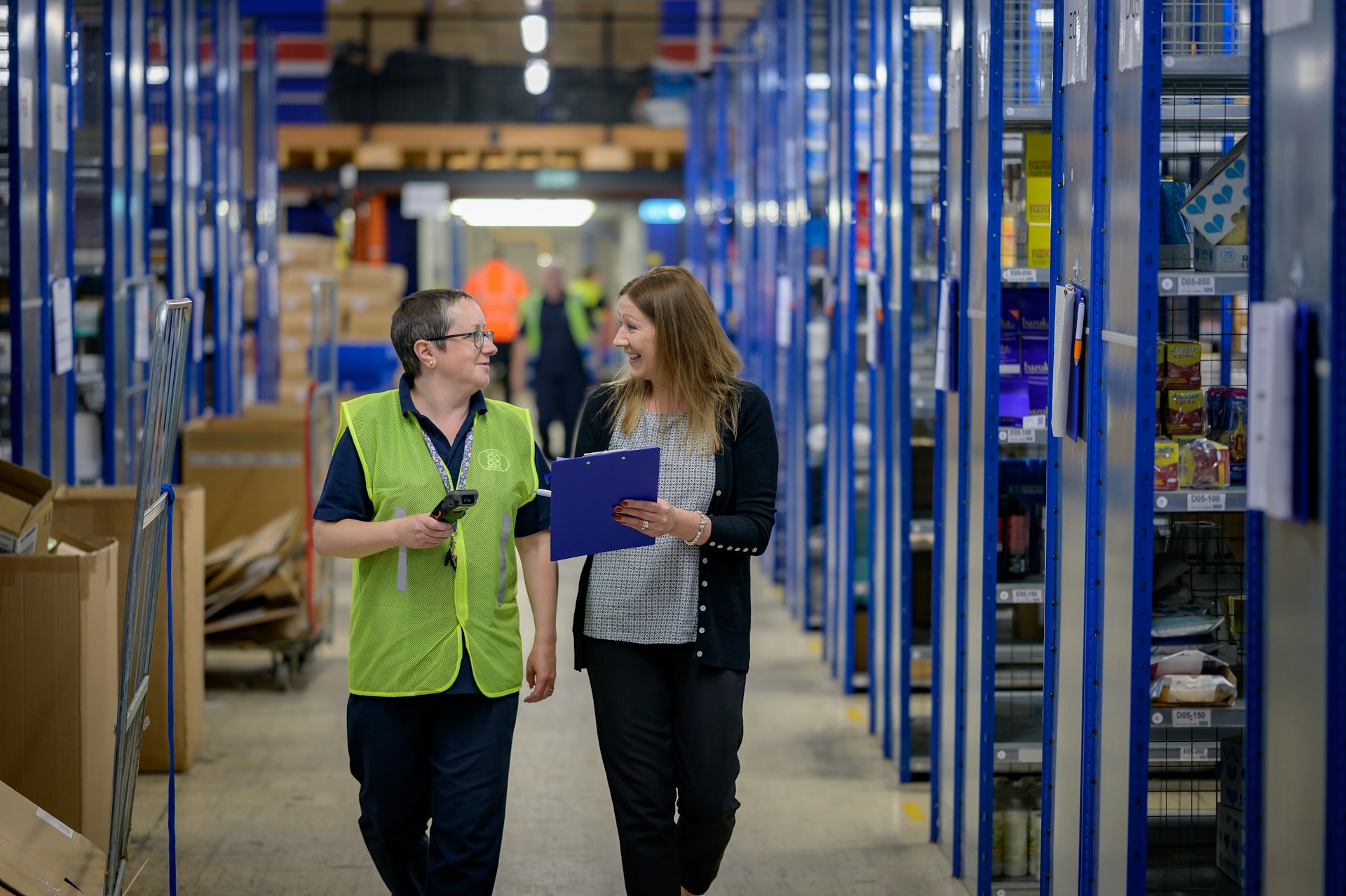
Then there’s the question of stock. Food doesn’t sit on a warehouse shelf forever. Products have use-by dates and best-before dates, and the older stock usually needs to leave first. That’s where FIFO and FEFO comes in. FIFO stands for “First In, First Out,” so the products that arrived first are generally sent out first. FEFO means “First Expired, First Out.” In this case, the products with the earliest expiry dates get priority.
FEFO is especially helpful for food businesses. Imagine having hundreds of boxes in storage, but not knowing which ones need to go out first. It’s an easy way to end up with unnecessary waste. A good inventory system takes the guesswork out of it. Staff should be able to see what is in stock, where it is, and which products need to be moved next.
Cross-Contamination and Allergen Isolation
Keeping food at the right temperature is vital, but it’s not the only concern here, What is stored next to a product matters as well. Certain foods contain allergens. Those products need to be handled and stored carefully to reduce the risk of cross-contamination. A well-managed warehouse should have clear procedures for separating products when necessary. That might mean dedicated storage areas, clear labels, separate handling processes, and regular cleaning.
Allergen control is particularly important. A small amount of the wrong ingredient could cause a serious reaction for someone with a food allergy. Good storage practices help reduce that risk. This also makes it far easier for staff to know exactly what they are handling.
If you’re considering WSI food grade warehousing, there are the kinds of things worth asking about. Don’t be afraid to ask questions – how the facility manages temperatures, expiry dates, cleaning, and allergen separation. A good provider will give you clear answers.
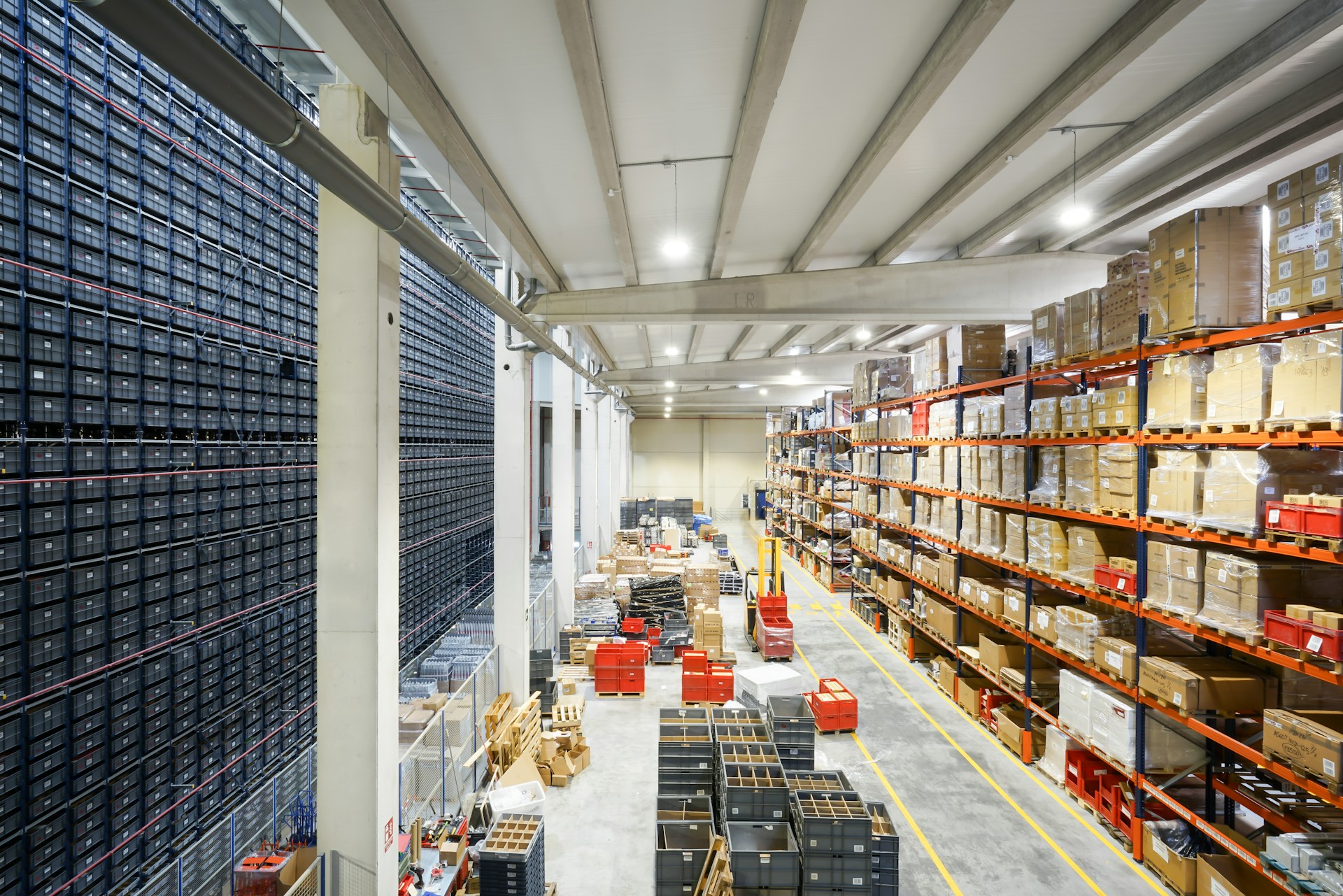
To conclude, choosing a food-grade warehouse isn’t just about finding somewhere with spare space. It requires research. You need to know what the warehouse should offer before making a decision – and this post will help you out with that.