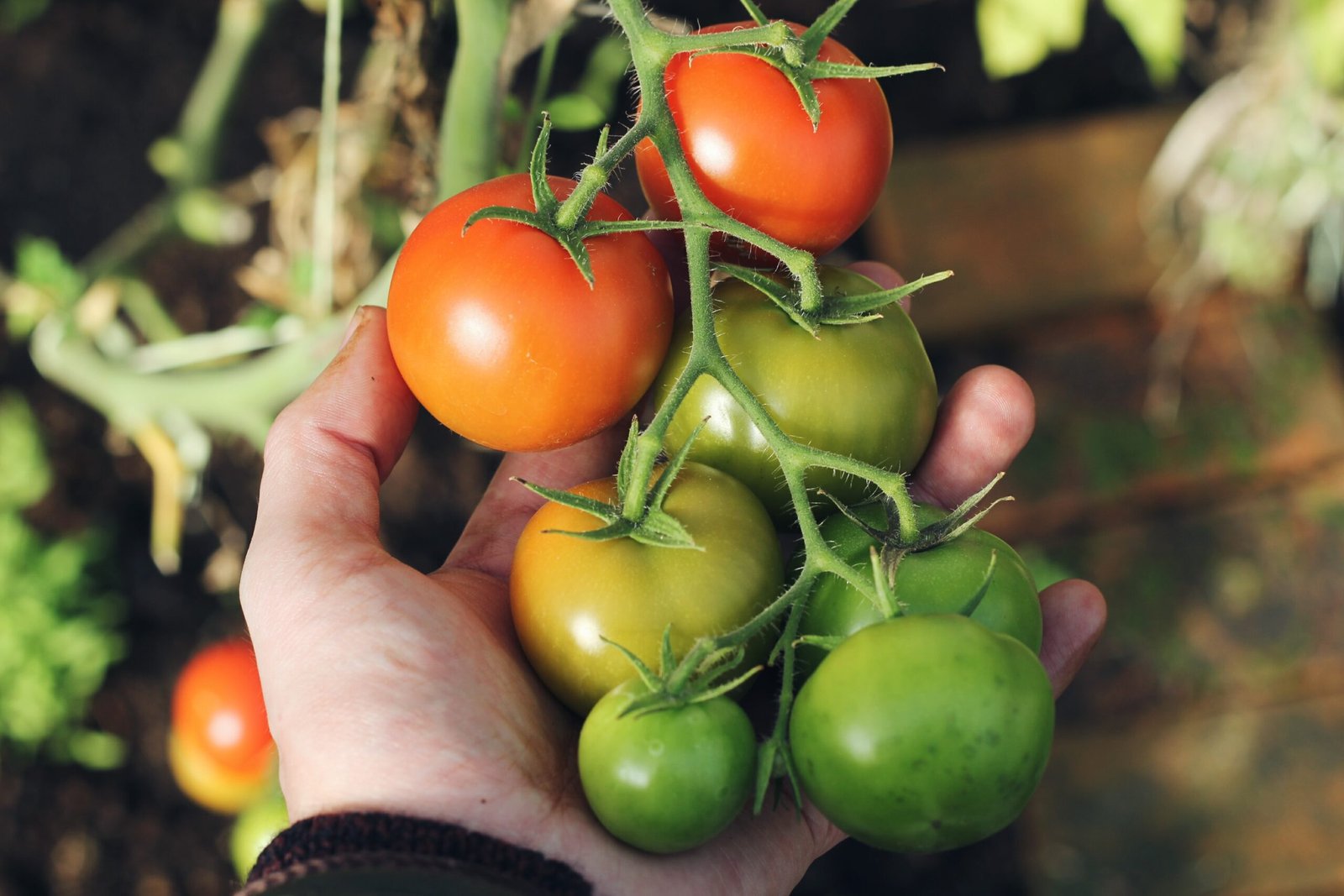



Ever wonder how some fresh produce suppliers seem to always have items that look like they just got plucked from the garden weeks after they’ve arrived?
We’re about to show you the secret.

It’s the difference between rotting away your profit margins or seeing them grow.
Here’s the cold, hard truth…
Around 45% of all fresh produce is lost or wasted globally every year.
That’s nearly HALF of all that gets produced.
Unbelievable, right?
But here’s the thing. There are ways to store produce that can dramatically extend its shelf life. We’re going to share all of these techniques and some hidden tips and tricks with you that you won’t find anywhere else.
That’s what you need to turn your operation around.
So, stick around and let’s get started…
Table of Contents
- The Cost of Cutting Corners with Fresh Produce Storage
- The True Price of Improper Storage
- Temperature: The Key to Fresh Produce Longevity
- The Main Storage Mistake?
- Humidity Control: The Silent Longevity Game Changer
- Humidity Management 101
- The Unsung Hero: Post-Harvest Handling
- The Pre-Cooling Difference
- The Hidden Ripening Enemy: Ethylene Gas
- Combatting Ethylene: Ethylene Scrubbers
- Advanced Storage Tactics
- Modified Atmosphere Packaging
- Smart Packaging Solutions
- The Art of Quality Monitoring
- Maximizing Storage Investments
- Your Fresh Produce Longevity Success Formula
The Cost of Cutting Corners with Fresh Produce Storage
Before we get into the tips and tricks, let’s take a hard look at what happens when things go wrong with fresh produce storage.
Did you know…
Losses from improper storage alone can account for 10 to 40 percent of the total harvested crop?
Think about that for a second. That’s up to 40% of your produce going straight into the trash just because it wasn’t stored correctly.
And it doesn’t stop there.
Neglecting proper storage practices means shorter shelf life, dissatisfied customers, and a reputation that will drive buyers to your competitors faster than you can say “discount sale.”
That’s why working with the right wholesale fruit and vegetables supplier who gets post-harvest handling right is non-negotiable for the success of your business.
But here’s the good news…
Temperature: The Key to Fresh Produce Longevity
Temperature control isn’t just important. It’s absolutely critical. Here’s why.
The rate of deterioration doubles or triples with every 10°C increase in temperature. In other words, produce stored at 20°C rather than 10°C will spoil 2 to 3 times faster.
Pretty much all fresh produce has an optimal shelf-life temperature that hovers around 0°C (32°F). But not all types of produce can withstand the same temperatures.
Cool-season crops like lettuce, broccoli, and spinach need storage temperatures between 32-35°F. Warm-season crops like tomatoes, peppers, and eggplant have a higher threshold for cold damage and require storage temperatures between 45-55°F.
Want to know the most common storage mistake people make?
Storing tropical and subtropical produce at temperatures too low. These crops can suffer permanent damage from chilling injury at temperatures well above freezing.
Once chilling injury sets in, there is no reversing the damage.
Humidity Control: The Silent Longevity Game Changer
While temperature often steals the spotlight, humidity control is the unsung hero of fresh produce longevity.
Fresh produce needs high relative humidity to prevent moisture loss and wilting. Fruits typically require 85-95% relative humidity while vegetables need 90-98%.
Low humidity levels lead to water loss, wilting, and a rapid decline in overall quality.
However, too high humidity creates the perfect breeding ground for mold and bacteria. The key is finding the balance that keeps produce hydrated without inviting spoilage.
The secret weapon? Proper air circulation.
Moving air helps prevent moisture condensation while maintaining optimal humidity levels.
Humidity Management 101
- Store produce in well-ventilated containers to prevent moisture buildup
- Use a hygrometer to measure humidity levels rather than guesswork
- Keep high-moisture and low-moisture produce separated
- Ensure proper air circulation in storage areas
The Unsung Hero: Post-Harvest Handling
The moment produce is harvested is the moment that shelf life begins. This is where most people get it wrong.
Most people think storage begins when items enter their warehouse.
That’s so wrong.
Delay, mishandling, bruises, all of these things and more start the clock on produce shelf life.
Field heat is the enemy. The longer the harvested crop sits at its field temperature, the quicker it will break down and decay.
That’s why pre-cooling is so important.
The goal of pre-cooling is to get the produce from its harvest temperature to its optimal storage temperature as quickly as possible.
Whatever method you use, just don’t delay. Get that crop cooled.
The Hidden Ripening Enemy: Ethylene Gas
Did you know that ethylene gas is both the best friend and worst enemy of most fresh produce?
Ethylene is a natural plant hormone released by many fruits that triggers the ripening process.
The problem?
Mix ethylene-producing crops with ethylene-sensitive produce and you have an expensive mess in the making.
Bananas, apples, and tomatoes are notorious for producing tons of ethylene gas. Keep them away from leafy greens, broccoli, and other sensitive vegetables.
Combatting Ethylene: Ethylene Scrubbers
You can buy ethylene scrubbers that absorb ethylene gas and extend shelf life.
In a nutshell, scrubbers have a pad that contains an oxidized metal. Oxygen is released when exposed to the air that oxidizes and removes the ethylene.
Bananas, kiwis, mangoes, papayas, persimmons, tomatoes, avocadoes, melons, and pineapple are all ethylene-sensitive.
Monitor which crops you are buying and selling. Know your ethylene producers and sensitive crops and play them accordingly.
Advanced Storage Tactics
Want to take your storage game to the next level?
Modified atmosphere packaging and controlled atmosphere storage can extend shelf life by weeks, sometimes months.
Modified atmosphere packaging involves creating a specific gas mixture around the produce. Controlled atmosphere storage does this on a larger scale.
However, these advanced methods aren’t cheap and require a significant investment and technical know-how.
Before you go that route, nail down the basics and make sure your operation is dialed in at 100% efficiency.
Modified Atmosphere Packaging
Modified atmosphere packaging can give you that longer shelf life you are looking for if your storage and handling are correct. But you have to get that part right before you start to look at the next level of storage.
The things you need to get right before you invest in other things:
- Reliable refrigeration systems
- Backup power for your cooling systems
- Proper insulation and air sealing
- Temperature and humidity monitoring equipment
Smart Packaging Solutions
Packaging can make or break your storage efforts.
Perforated plastic bags keep humidity levels high while allowing for gas exchange. Waxed boxes resist moisture damage. Specialized films can create micro modified atmospheres right around individual products.
Packaging isn’t just for show. It’s active protection that extends shelf life and maintains produce quality throughout the supply chain.
The Art of Quality Monitoring
Perfect storage conditions won’t help if you’re not monitoring quality and rotating stock properly.
First in, first out (FIFO) isn’t just a buzzword. It’s essential for maintaining quality standards. Regular quality checks catch problems early before they infect other produce.
Quality Monitoring and Rotation Checklist
- Daily temperature and humidity checks
- Visual inspection for decay or damage
- Proper stock rotation procedures
- Immediate removal of compromised produce
- Regular cleaning and sanitization
Maximizing Storage Investments
Perfect storage and handling techniques are only part of the puzzle. The other part is making sure you maximize that investment.
Investing in proper storage and handling pays for itself many times over through reduced losses and premium pricing opportunities.
Focus on the fundamentals. Temperature control, humidity management, proper handling, and quality monitoring.
Master these basics and you will see immediate improvements in both shelf life and profitability.
Your Fresh Produce Longevity Success Formula
Extending fresh produce shelf life is neither rocket science nor sorcery. It is a mixture of attention to detail, getting the basics right and refusing to let your standards slip.
Temperature control, humidity management, proper post-harvest handling, and quality monitoring can make the difference between selling products as expensive compost or money-making opportunities.
This 45% global loss rate doesn’t have to be your story.
Your success story is just around the corner.
Remember: One extra day of shelf life is money in your pocket and reputation in the bank.