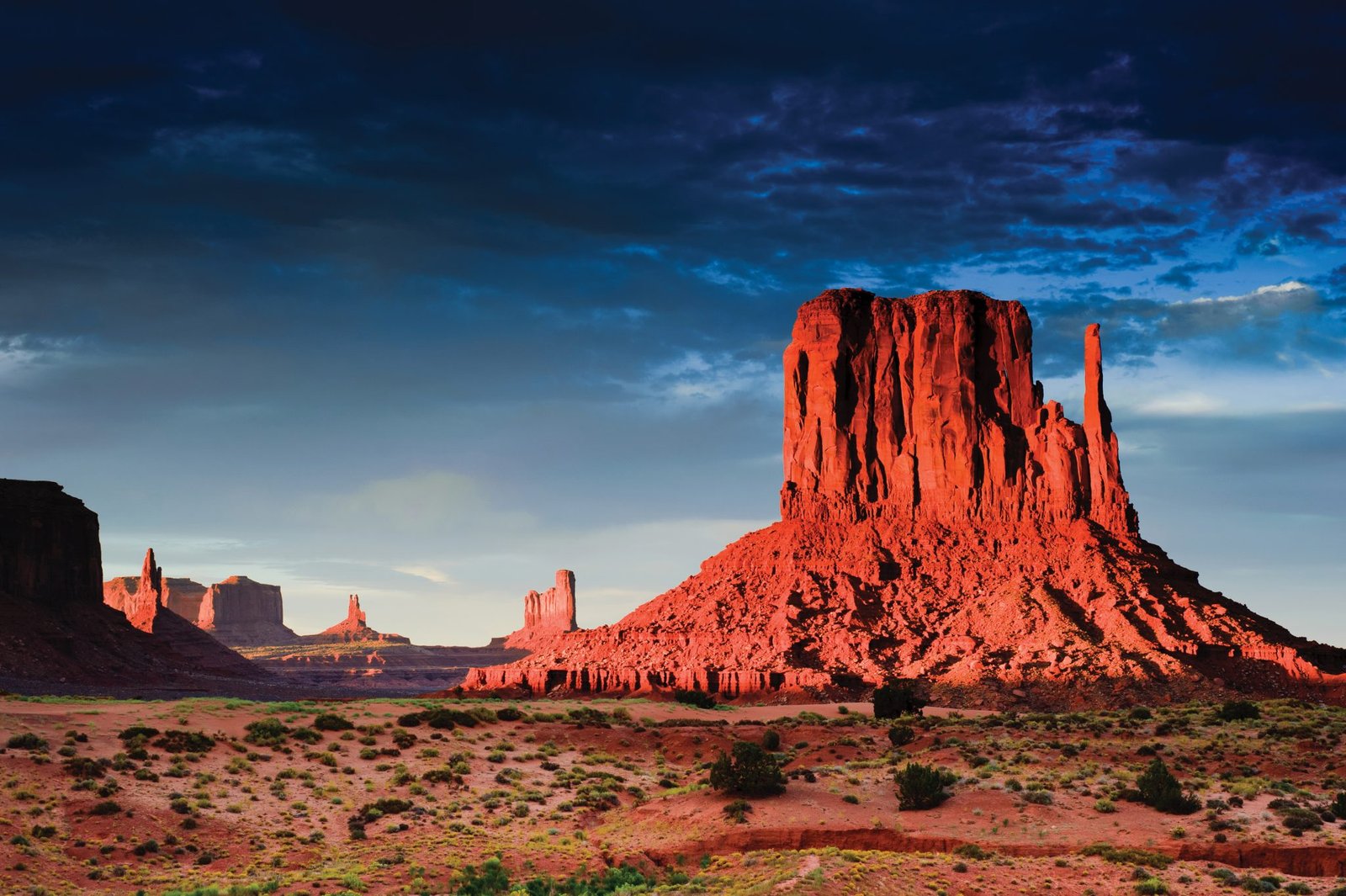



Arizona’s red rock country makes for an unforgettable motorcycle ride, with winding roads, wide-open views, and plenty of places worth stopping to explore.
But scenic routes can also come with sharp curves, changing weather, loose gravel, and unexpected traffic.

Riders who want to enjoy these roads safely can turn to Jensen Phelan Law Firm for guidance on what to know before heading out. A little preparation, awareness, and patience can make a big difference when navigating Arizona’s scenic motorcycle routes.
Know the Route Before You Ride
Before heading out, take a few minutes to check your route, road conditions, closures, and weather so you know what to expect. Plan where you can refuel, take breaks, and stop if you are riding through areas with limited services or cell coverage. Knowing the route ahead of time lets you focus more on the road and less on figuring out where to go.
Watch for Changing Road Conditions
Scenic routes can have loose gravel, sand, rocks, uneven pavement, or other changes that may catch a rider off guard. Slow down when you notice a change in the road surface and give yourself enough room to adjust safely. Even a familiar route can feel different after roadwork, rain, or other changes, so stay alert throughout the ride.
Give Yourself Extra Space on Curvy Roads
Curvy scenic roads can limit your view of what is coming around the next bend, so give yourself plenty of space to react. Keep a safe following distance and slow down before entering sharp or blind curves rather than braking suddenly in the middle of a turn. Riding at a speed that matches your visibility and road conditions gives you more time to respond to unexpected hazards.
Stay Alert Around Larger Vehicles
Large trucks, RVs, and other vehicles can make it harder for drivers to see motorcycles, especially on busy scenic routes. Stay out of blind spots when possible and give larger vehicles plenty of room when they change lanes, turn, or stop near viewpoints. Keep watching their movements so you have enough time to react if they move unexpectedly.
Prepare for Arizona Weather
Arizona weather can vary significantly depending on the route, time of day, and elevation, so check the forecast before setting out. Bring enough water and appropriate protective gear, and be prepared to adjust your plans if rain, strong winds, or extreme heat affects riding conditions.
Watch for Wildlife and Unexpected Obstacles
Wildlife, fallen rocks, debris, and other unexpected obstacles can appear on Arizona’s scenic roads with little warning. Keep your eyes moving and maintain a reasonable speed so you have enough time to react if something suddenly enters your path. Staying alert is especially important on quieter stretches where animals may wander onto the roadway.
Take Breaks Before Fatigue Sets In
Long rides through Arizona’s scenic routes can become tiring, even when you are enjoying every mile. Take regular breaks to stretch, drink water, and give yourself a chance to refocus before getting back on the road. If you notice yourself becoming drowsy or losing concentration, stop riding until you feel ready to continue.
Use Proper Motorcycle Safety Gear
Wearing the right safety gear can provide important protection if something goes wrong during your ride. A properly fitted helmet, protective jacket, gloves, pants, and sturdy riding boots can help reduce the risk of serious injuries in a crash. Before leaving, also make sure your motorcycle is in good condition and ready for the route ahead.
Know What to Do After a Motorcycle Crash
If a motorcycle crash happens despite your precautions, knowing what to do afterward can help protect your health and preserve important information about what happened.
Check for Injuries
Move to a safe location if you can do so without worsening an injury, and call 911 if anyone needs immediate medical attention. Even if your injuries seem minor, getting checked by a medical professional can help identify problems that may not be obvious right away.
Document the Scene
If you are able, take photos or videos of the vehicles, road conditions, visible injuries, debris, traffic signs, and other details around the crash site. These records can help preserve information about the conditions when the collision occurred.
Exchange Information
Get the other driver’s name, contact information, insurance details, and vehicle information, and provide your own information as appropriate. Avoid arguing about who caused the crash or making statements about fault while emotions are still high.
Report the Crash
Contact the appropriate authorities and provide the information they request about the collision. Keep copies of any report or other documentation you receive, as these records may become important later.
Keep Your Records
Keep your documents well-organized, including medical records, receipts, estimates obtained for repair, images of the accident site, emails/letters from insurance representatives, and any other evidence you have.
Consider Legal Guidance
If you are facing serious issues like multiple injuries, a disagreement about liability, or doubts about compensation, then speaking to a motorcycle accident lawyer might be a good idea. They are able to study your situation and advise you on what your chances are.
Conclusion
Riding through Arizona’s Red Rock Country can be an incredible experience when you take the time to prepare for the road, weather, traffic, and unexpected hazards. Staying alert, using proper safety gear, and knowing what to do after a crash can help you handle the ride with greater confidence. If you need legal guidance after a motorcycle accident, Jensen Phelan Law Firm can help you understand your options and next steps.