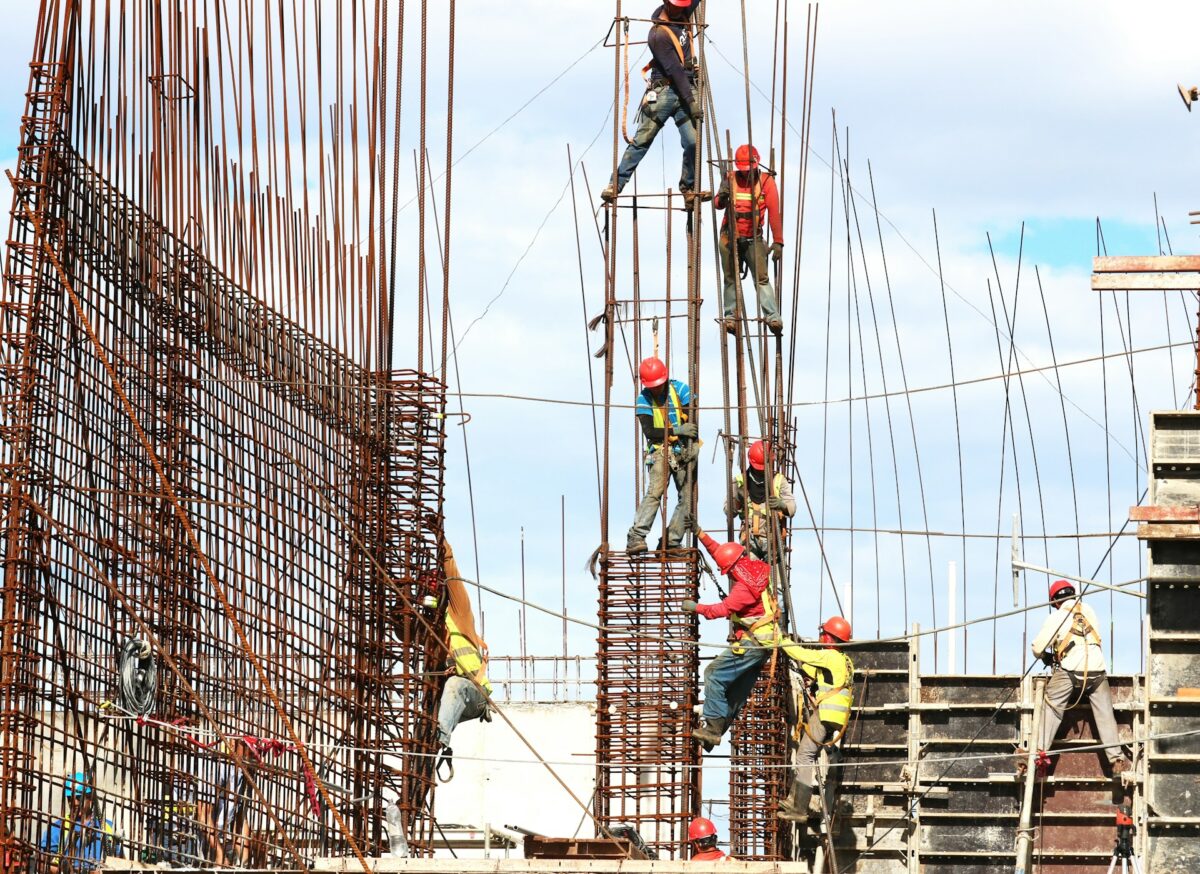

Most Arizona contractors don’t realize how much their insurance gaps are costing them until a claim lands on their desk.
Sorting through construction insurance options for Arizona-based contractors is genuinely tricky, especially when you’re juggling Arizona ROC requirements, subcontractor certificate management, and finding affordable premiums for trades like roofing or excavation.
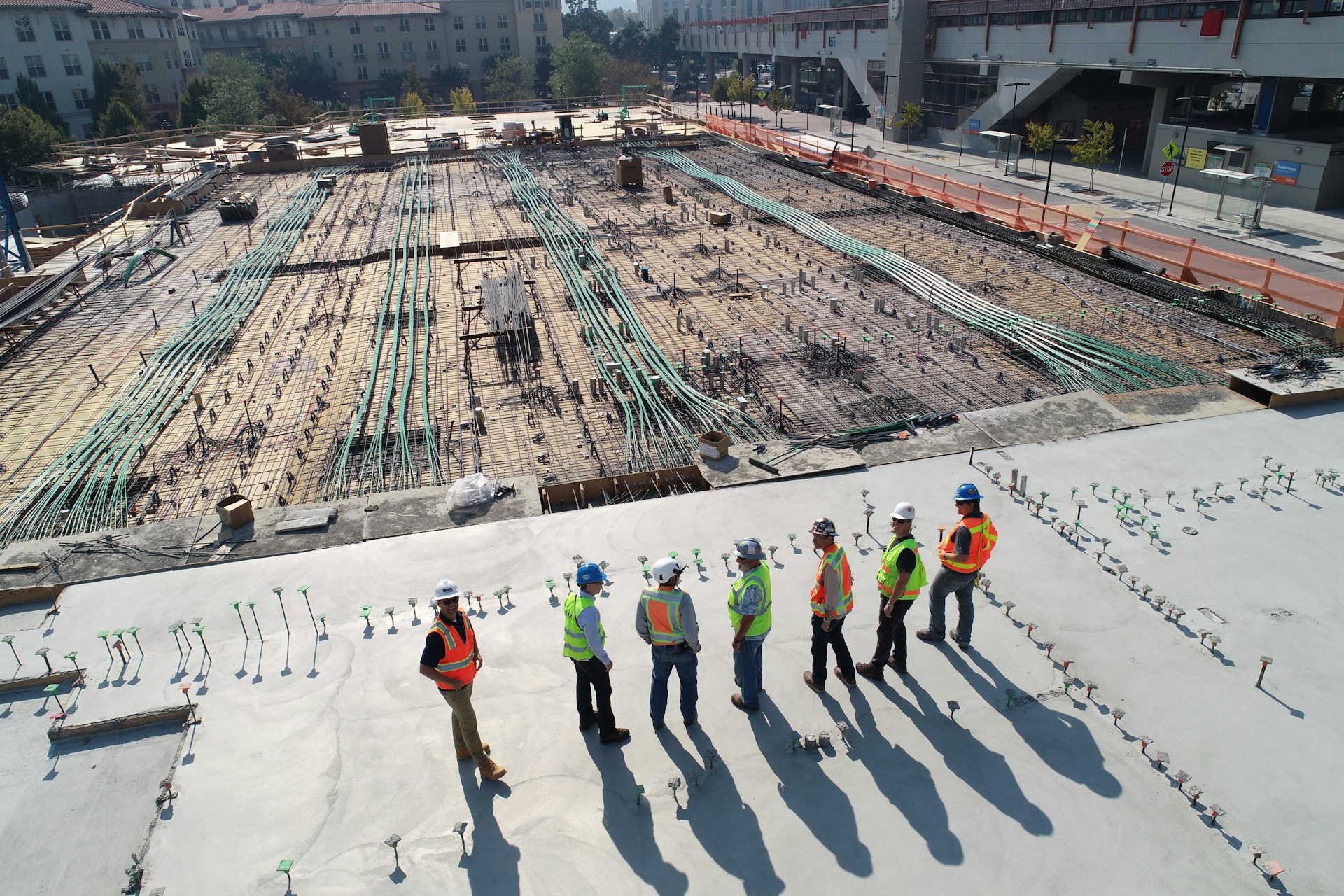
After reviewing dozens of providers across the state, a clear picture emerged of who actually delivers for contractors. This guide breaks down the five strongest options available right now.
The shortlist methodology
Publicly available information drove every selection here, pulling from review platforms, official company websites, directories, and case study records. Options without a documented track record in construction insurance were set aside early. Only providers showing real, verifiable results for contractor clients made the final cut.
See the full research breakdown
- Affordable Contractors Insurance – Best for contractor and construction business insurance
- Hiscox – Best for small business and construction industry insurance
- AmTrust Insurance – Best for small to medium construction businesses seeking workers’ compensation and general liability insurance
- Liberty Mutual – Best for commercial and specialty insurance
- Genrose Insurance – Best for small business construction insurance
Why Construction Insurance Options For Arizona-Based Contractors Are More Than a Line Item
Arizona construction work carries real financial exposure at every stage of a project. Knowing which coverage types are legally required under ARS Title 32 versus which ones are simply smart to carry is something a lot of contractors figure out the hard way.
Trades like roofing and excavation face premium structures that can feel punishing, and shopping without context usually makes that worse. Subcontractor liability is another area where the wrong choice quietly creates gaps, especially when certificate collection falls behind.
The right construction insurance option doesn’t just check a box. It directly affects your general liability limits per occurrence and in aggregate, your workers’ compensation experience modification rate over time, and how fast a claim actually gets resolved when something goes wrong on a job site.
Quick-Look Comparison: 5 Best Construction Insurance Options For Arizona-Based Contractors
Note: All data in this table is sourced from review platforms and the official websites of the listed companies.
| Company Name | Years Operating | Headquartered In |
| Affordable Contractors Insurance | Since 2011 | United States |
| Hiscox | Since 1901 | Pembroke, Bermuda |
| AmTrust Insurance | Since 1998 | New York City, New York |
| Liberty Mutual | Since 1912 | Boston, Massachusetts |
| Genrose Insurance | Since 2001 | Scottsdale, Arizona |
-
Affordable Contractors Insurance – Best for Contractor and Construction Business Insurance
What Is Affordable Contractors Insurance’s Main Business?
Affordable Contractors Insurance is a U.S.-based brokerage built entirely around construction and contractor insurance. They cover the full range of policies a trade professional needs, including general liability, workers’ compensation, commercial auto, builder’s risk, tools and equipment coverage, umbrella liability, and professional liability. They serve roofers, electricians, plumbers, HVAC contractors, builders, and remodelers, and they’re built for the pace and pressure of active construction work.
Where Does Affordable Contractors Insurance Win for Construction Insurance Options For Arizona-Based Contractors?
Contractors running active bids need certificates of insurance fast. Affordable Contractors Insurance addresses that directly with same-day policy binding and quick COI issuance. That kind of turnaround is rare in this space, and it translates to a real operational advantage when a project owner is waiting on paperwork before work can start.
Real-World User Take:
From what the reviews show, small and mid-sized contractors respond well to the combination of speed and focus here. The consistent theme is that dealing with a brokerage that only works in construction removes a lot of back-and-forth. That specialization shows in how quickly their team understands what a contractor actually needs versus what a generic business policy might offer.
-
Hiscox – Best for Small Business and Construction Industry Insurance
What Is Hiscox’s Main Business?
Hiscox is an Anglo-Bermudan insurance provider with over a century of history, focused on niche property and casualty insurance for small businesses and high-net-worth individuals. They cover architecture, engineering, consulting, and artisan subcontracting, offering general liability, professional liability, business owner’s policies, and cyber coverage. With more than 600,000 small business customers and an A (Excellent) rating from A.M. Best, they bring both scale and niche focus to the construction-adjacent insurance space (not cheap, but worth it for the right trade).
Where Does Hiscox Win for Construction Insurance Options For Arizona-Based Contractors?
Artisan subcontractors and construction-adjacent professionals often struggle to find coverage that accounts for both professional and physical liability risks. Hiscox builds policies around that overlap. Their track record of winning “Insurer of the Year” six times in eight years signals that their claims and service performance holds up at volume.
Real-World User Take:
Small business owners in construction-related fields tend to stick with Hiscox once they’re set up. Reviews point to clear communication and policy flexibility as consistent positives. The occasional complaint around pricing reflects the premium nature of the product, but most reviewers feel the coverage depth justifies it.
-
AmTrust Insurance – Best for Workers’ Compensation and General Liability Coverage
What Is AmTrust Insurance’s Main Business?
AmTrust Financial Services is a multinational property and casualty insurer founded in 1998, and they’re the third-largest workers’ compensation provider in the country. They carry over 500,000 small commercial policies and offer workers’ compensation, general liability, business owner’s policies, cyber liability, and employment practices liability. Their AmTrust Genius platform uses AI to speed up quote generation (think enterprise infrastructure applied to small business pricing), and their 2024 revenue of $5.81 billion gives a clear sense of their scale.
Where Does AmTrust Insurance Win for Construction Insurance Options For Arizona-Based Contractors?
Small and medium-sized construction businesses often face workers’ compensation pricing that doesn’t reflect their actual risk profile. AmTrust’s focus on low-hazard and niche risk classes helps address that mismatch directly. Their 5-Star Claims Excellence Award from Insurance Business America in 2025 suggests their claims resolution process performs well under real-world pressure.
Real-World User Take:
The pattern across reviews points to satisfaction with the claims process, which is what matters most when something goes wrong on a job site. Customers in small commercial categories mention the digital tools as a genuine improvement over older insurance workflows. A few reviewers note that the initial setup takes some patience, but the back-end experience makes up for it.
-
Liberty Mutual – Best for Commercial and Specialty Insurance
What Is Liberty Mutual’s Main Business?
Liberty Mutual is the sixth-largest property and casualty insurer in the world, operating from over 900 locations and ranked #87 on the Fortune 500. They carry personal auto, homeowners, workers’ compensation, commercial multiple peril, commercial auto, general liability, and specialty coverage. Their Global Risk division handles complex commercial and specialty needs through 40 international underwriting offices, making them a serious option for contractors managing larger or more complex project exposure.
Where Does Liberty Mutual Win for Construction Insurance Options For Arizona-Based Contractors?
General contractors running multi-phase or high-value projects need coverage structures that can scale with contract demands, and Liberty Mutual’s Global Risk division is built to handle exactly that level of need. Their century-long operating history, paired with consistent recognition for employee retention, points to an organization stable enough to honor long-term policy relationships.
Real-World User Take:
Commercial clients tend to value Liberty Mutual for their breadth of coverage and the reliability of the claims process. Larger contractors mention the comfort of working with a carrier that can cover multiple exposure types under one relationship. Some reviewers flag that the size of the organization can slow responsiveness on smaller accounts (not ideal for a one-person trade contractor, but solid for a growing GC).
-
Genrose Insurance – Best for Small Business Construction Insurance
What Is Genrose Insurance’s Main Business?
Genrose Insurance is an independent broker founded in 2001 and based in Scottsdale, Arizona. They represent top-tier carriers across health, auto, home, life, liability, and business insurance. As a broker rather than a captive agent, their priority is client representation, which means they shop across multiple carriers to find the best fit. They hold an A+ BBB rating and are licensed across 13 states, making them a locally rooted option with real reach for Arizona contractors.
Where Does Genrose Insurance Win for Construction Insurance Options For Arizona-Based Contractors?
Arizona contractors often need someone who understands the local market and can work through carrier options without pushing a single product. Genrose’s broker model addresses that directly. Their Scottsdale base gives them proximity to the Arizona ROC and the state insurance regulatory environment that out-of-state providers sometimes miss entirely.
Real-World User Take:
Reviews consistently mention the personalized service and the sense that the Genrose team is working for the client rather than the carrier. Small business owners in construction note that multi-carrier access leads to more competitive pricing than single-carrier alternatives. That independent broker approach appeals strongly to contractors who’ve felt oversold by bigger providers before.
How the Top Contenders Were Selected
Establishing Your Data Collection Process
The research started by pulling together a broad list of insurance providers serving Arizona-based contractors. Sources included national insurance directories, state-specific business listings, review aggregators, and company websites. The goal at this stage was volume, casting a wide net to capture both well-known national carriers and regional brokers with a footprint in Arizona’s construction market. Each entry was logged with available details around coverage types, years in operation, client focus, and geographic reach.
Elimination Round: Initial Screening
Once the initial list was assembled, the next step was trimming it down. Providers without a verifiable history in construction or contractor insurance were removed early. Review patterns were analyzed across multiple platforms to identify consistent signals, both positive and negative. Companies where review data was thin, inconsistent, or showed patterns of unresolved complaints were set aside. What remained was a tighter group of providers with documented performance records and a clear connection to the trades and coverage types that Arizona contractors actually need.
How to Verify Each Pick
With a shorter list in hand, each remaining provider was cross-checked more carefully. Claims made on company websites were weighed against what appeared in independent reviews and third-party coverage assessments. Where a provider described fast claims resolution or specialized construction knowledge, the research looked for confirmation of that in real customer feedback. Providers where the marketing language and the actual service matched up were given more weight than those where a gap existed between what was promised and what clients reported.
Awards, Mentions, and Industry Voice
Recognition from credible industry sources was factored in as a signal of standing. Award wins, mentions in insurance trade publications, and consistent appearances in industry rankings were reviewed for each provider. This wasn’t about counting trophies but about identifying which companies had earned attention from peers and evaluators outside their own marketing. Providers like Hiscox, with repeated recognition at the Insurance Times Awards, and AmTrust, with claims-specific honors from Insurance Business America, stood out at this stage.
Evidence That Matters for Construction Insurance Options For Arizona-Based Contractors
The final evaluation focused on direct relevance to Arizona construction work. Providers were assessed for dedicated service pages covering contractor-specific coverage types, verified client reviews from trade professionals, and any case studies or examples drawn from the construction sector. Companies that addressed the specific concerns of Arizona contractors, including ROC licensing requirements, subcontractor certificate management, and high-risk trade classifications, were ranked above those offering only generic business insurance with construction as an afterthought.
Decision Factors When Picking Construction Insurance Options For Arizona-Based Contractors
Choosing a construction insurance provider in Arizona isn’t just about finding the lowest premium. The right provider needs to understand how Arizona’s contractor licensing structure works, what trades require specific coverage types, and how your business size affects your options.
- Industry/Domain Experience: Look for providers with a documented focus on construction or contractor insurance, not just general commercial lines. Specialization usually means fewer coverage gaps.
- Features and Service: General liability and workers’ compensation are the baseline. Depending on your trade, you may also need builder’s risk, commercial auto, tools and equipment coverage, or umbrella policies.
- Pricing Structure: Premium levels vary widely by trade classification. Roofing and excavation carry higher rates than finish carpentry. Ask about payment plans and how your workers’ compensation EMR affects your annual cost.
- Results Measurement: Track time-to-claim resolution, certificate of insurance turnaround time, and the frequency of mid-term cancellations or policy gaps. These numbers tell you more about a provider than their marketing does.
- Industry Knowledge and Compliance: Your provider should understand Arizona ROC and state insurance requirements under ARS Title 32 and ADOI regulations. A provider unfamiliar with these requirements can leave your ROC license at risk.
The Takeaway
Arizona contractors face real exposure on every job, and the insurance provider you choose shapes how well you’re protected when something goes wrong. The strongest options on this list combine construction-specific knowledge with practical delivery, things like fast COIs, solid claims processes, and coverage that matches your trade. As more Arizona contractors scale their operations and take on larger projects, having the right coverage structure in place early makes every bid more competitive and every project less risky.