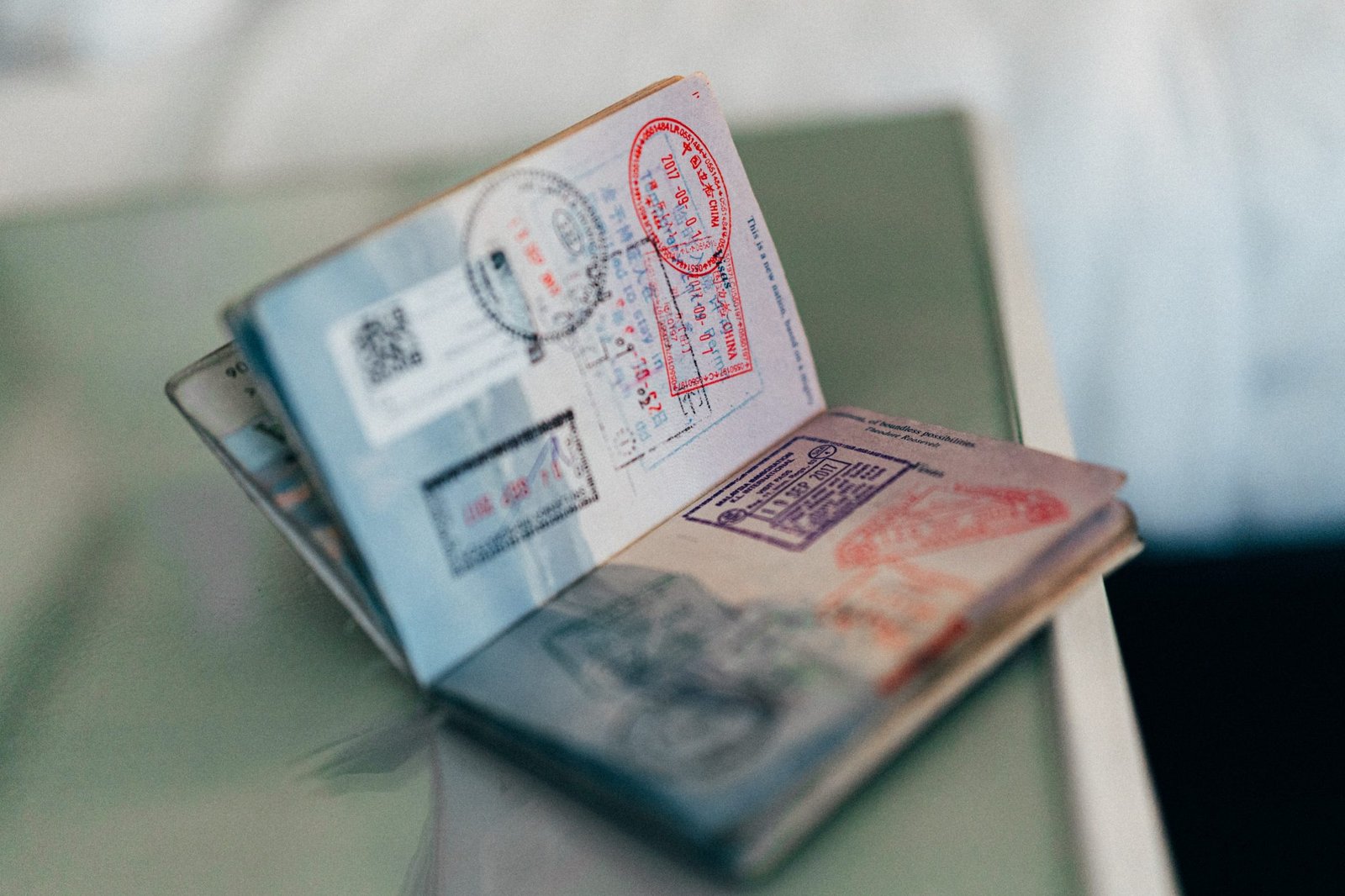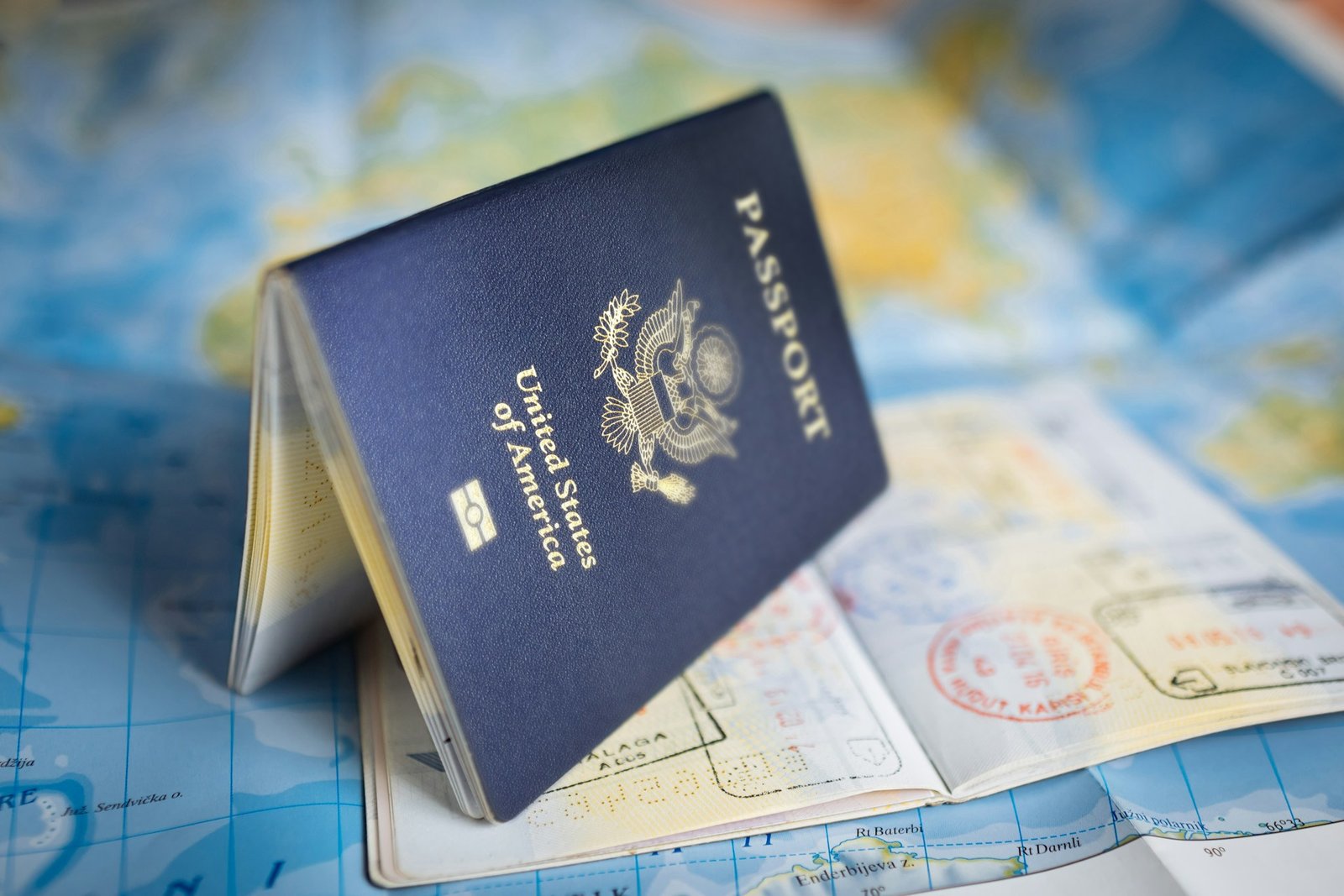







A felony charge reaches far beyond the courtroom, into areas of life that most people never associate it with, including the freedom to travel.
Are you still able to obtain a passport?

Can you get out of the country? The answers are rarely “yes” or “no,” and the details frequently surprise those who think their travel plans are safe.
The short answer is that a felony record alone is not usually a reason to be denied a U.S. passport. A passport establishes your citizenship, not your good behavior. But some charges, court orders, and terms of supervision can cut it off completely. That makes it worth knowing how a felony charge affects passport approval and your freedom to travel, long before you rely on either.
First, the Reassuring Part
First, let’s talk about the good news. Most felony charges won’t stop you from getting a U.S. passport because it’s proof of citizenship and not a record of crimes. The standard form, Form DS-11, doesn’t even ask about your criminal history.
In general, you are free to apply once you have finished your sentence, including any prison time, probation, and parole, and have satisfied your court obligations. Common felonies such as theft, nonviolent assault, or ordinary fraud generally don’t create any passport barrier at all. The same applies to renewals, so having a past conviction does not mean you lose a passport you already possess.
When the State Department Can Deny or Revoke
The process is what most people do. Some very important exceptions don’t have anything to do with the label on your charge. The State Department has rules about when to deny a passport application or take away an existing passport if any of the following are true:
- International drug trafficking: Certain federal or cross-border drug trafficking offenses are a hard statutory bar.
- Active warrants or pending charges: An outstanding felony warrant, pending extradition request, or federal grand jury subpoena will all prevent issuance.
- Travel restrictions imposed by the court: A judge may order a defendant to remain in the country or surrender a passport as a condition of bond, probation, or supervised release.
- Arrears in child support: If you owe $2,500 or more in past-due support, you will be automatically denied.
- National security crimes: compulsory cancellation of conviction for treason, espionage, or terrorism.
- Tax debt and sex-offender rules: Seriously delinquent federal tax debt can lead to a hold, and certain convicted sex offenders are required to carry a special passport identifier under International Megan’s Law.
Travel Limits While on Probation or Parole
Having a valid passport doesn’t mean that you can use it freely. It’s standard practice for judges to hold on to passports or limit travel while your case is pending so you’ll be available to come to court. The constraints only get tighter once you are sentenced.
As a general rule, if you are on felony probation or parole, you cannot leave your county or state, let alone the country, without written permission from your supervising officer or the sentencing judge. If you leave the country without that permission, it is a direct violation that can lead to an arrest warrant and return to custody. If the police took your passport when you were arrested, you will need official written clearance to get it back. And always get that permission in writing before you make any plans.
Getting Into Other Countries Is a Separate Hurdle
A valid passport will get you out of the United States and back in, but that’s about it. It does not guarantee that another country will allow you to cross its border. Canada, Japan, Australia, and the United Kingdom, for example, will refuse entry to people with felony convictions, and sometimes even a DUI.
Visa and entry forms often ask about a person’s criminal past. Lying on one of these forms is a crime that can result in a permanent ban. In systems that let you enter electronically, like the ones used in most of Europe these days, those background checks are already being done long before you even get on the plane. Some countries, like Canada, have a formal process for rehabilitation or getting a special permit. However, this process generally doesn’t start until years after your sentence is over. Trusted traveler programs like TSA PreCheck and Global Entry also check for recent felonies and can refuse to let someone join or take away their membership.
Conclusion
What happens to your passport if you are accused of a felony? People often worry less than they think they will when they apply, but more than they think when it comes to being watched, following certain laws, or crossing into another country. The safest thing to do is to check your exact standing before you apply or book. Check your court terms and any open warrants as soon as possible. Also, find out how to get into the place you want to visit. If the trip is important, you can keep your plans on track by quickly talking to a lawyer about a past charge.