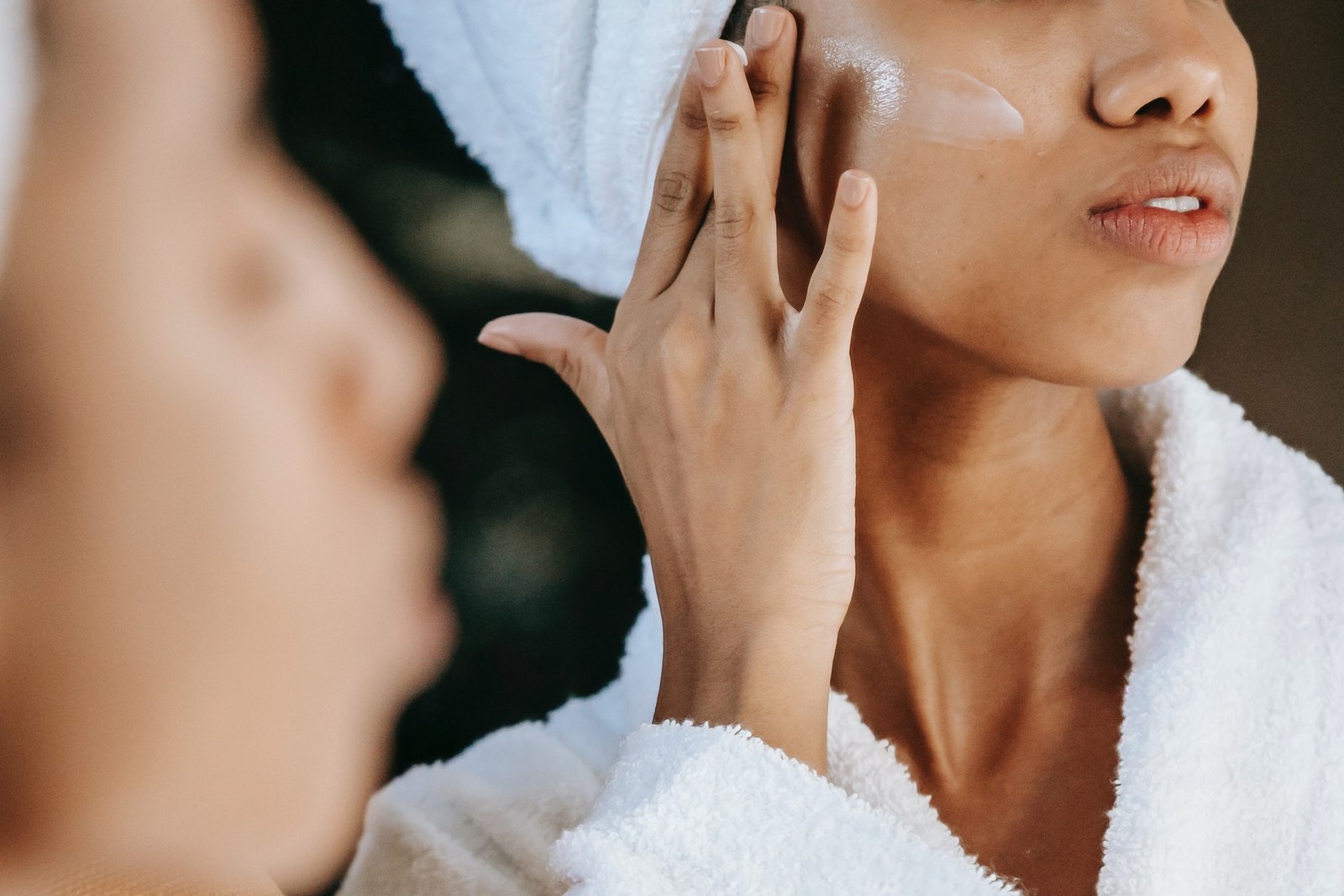







As temperatures drop and the air loses its summer humidity, many people notice their complexion shifting in ways that feel frustratingly familiar.
Tightness after cleansing, flaky patches around the nose, a general dullness that no amount of blush seems to fix.
Keeping your complexion in decent shape through fall and winter is less about overhauling everything and more about making smart, targeted adjustments, both at home and, when needed, with professional support.
What Cold Weather Actually Does to Your Complexion
Low outdoor temperatures and wind physically strip the outermost layer of the skin, while indoor heating removes what little moisture remains in the air. Low humidity increases transepidermal water loss and can promote cutaneous inflammation, directly affecting the stratum corneum, which is the skin’s primary permeability barrier.
According to the American Academy of Dermatology, up to 85% of older adults experience dry skin, and seasonal cold only amplifies that tendency across all age groups. People with oily or combination complexions often assume they are immune to winter dryness, but even naturally oilier skin types can feel tight and sensitive when barrier function breaks down. The key is paying attention to what your own skin is telling you, rather than chasing every seasonal trend that lands in your social feed.
Make Hydration the Foundation of Your Routine
When the air outside holds less moisture, the skin works harder to hold onto what it has. That effort requires support from the products you apply every day.
Ingredients Worth Prioritizing
Three ingredients stand out for their ability to support hydration at different levels. Hyaluronic acid draws water toward the surface and helps keep it there. Ceramides reinforce the lipid barrier, the structure that prevents moisture from escaping in the first place. Glycerin acts as a humectant, pulling water from deeper layers and from the environment to keep the surface comfortable.
How and When to Apply
Timing matters more than most people realize. Applying moisturizer to slightly damp skin right after cleansing locks in surface moisture before it evaporates. A product that works perfectly in July may feel thin and insufficient by November, so adjusting texture from a gel to a cream, for example, is a reasonable seasonal move.
The Role of Internal Hydration
Drinking enough water supports overall health, including how the skin functions. That said, topical products do the direct work of maintaining the surface barrier. Both matter, but they are not interchangeable.
Be Careful With Cleansing and Exfoliation
A cleanser that felt refreshing in summer can feel stripping by December. Foaming formulas with high surfactant levels are often the culprit, leaving a tight, uncomfortable feeling that signals the barrier has been disrupted. Switching to a cream or gel cleanser that removes makeup and daily buildup without over-cleansing is one of the simplest upgrades you can make.
Exfoliation is still worth doing during colder months because dead cell buildup is a major driver of the dull, flat appearance many people associate with winter. The mistake is over-exfoliating an already compromised barrier. Adjust frequency based on how your skin actually feels, and pull back at the first sign of redness or sensitivity.
When Home Care Is Not Enough
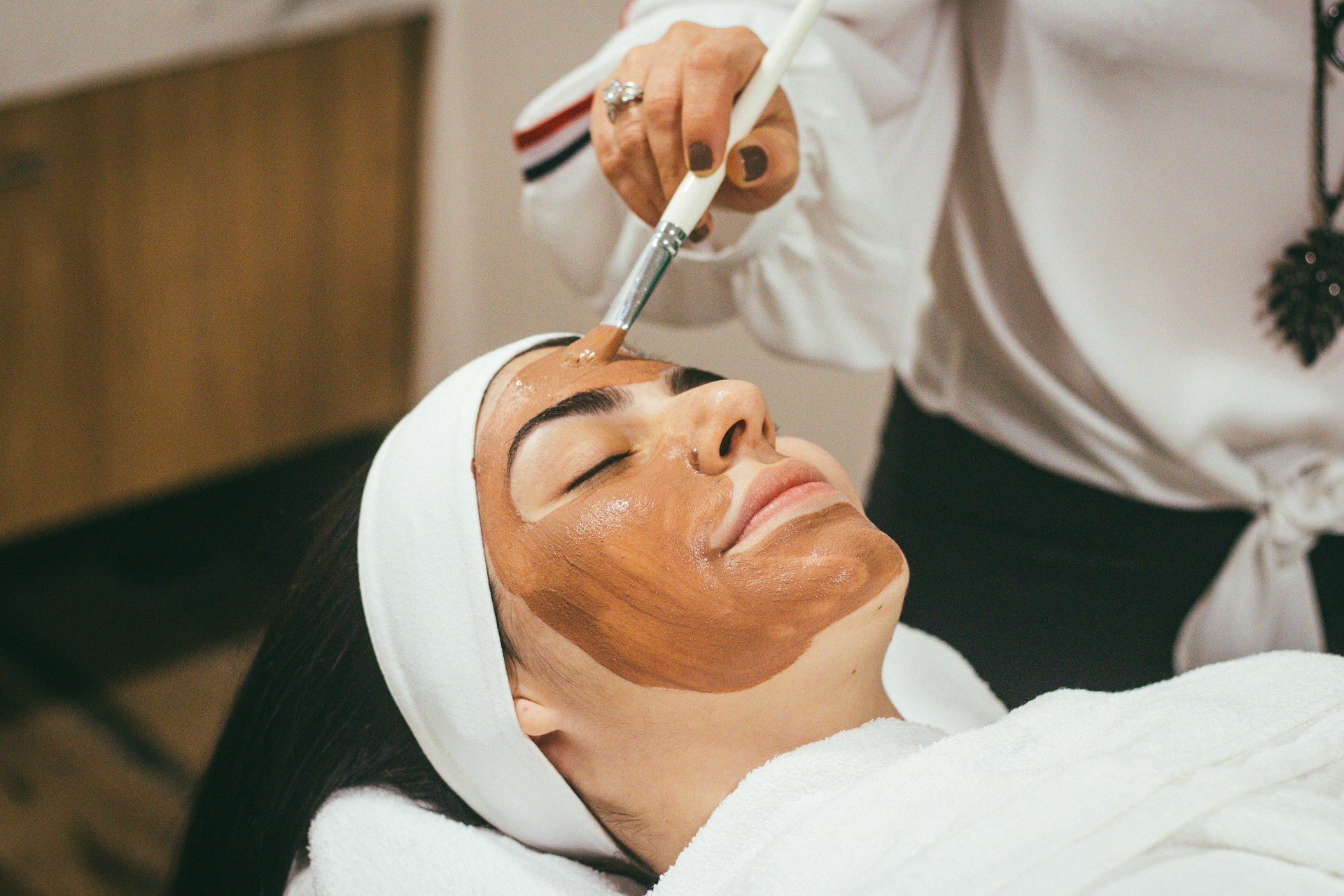
Everyday products maintain and protect, but they have limits. For concerns like uneven texture, persistent dullness, or discoloration that topical care cannot fully address, professional treatments offer a different level of intervention.
What Each Treatment Does
Three options come up frequently in professional settings, each with a distinct purpose:
- HydraFacials combine cleansing, mechanical exfoliation, and infusion of hydrating serums in a single session, making them well-suited for a quick reset.
- Chemical peels use carefully formulated exfoliating solutions to improve surface texture and address certain types of uneven tone.
- Microneedling creates controlled micro-injuries that trigger the skin’s natural repair response, supporting improvements in texture and firmness over time.
Combining Professional Treatments
These options are often discussed in isolation, but they can be more effective when built into a broader plan. Understanding how combining professional treatments like these can complement one another, and in what sequence, is something a qualified provider can map out based on your goals and skin condition. The order, timing, and spacing of procedures all affect the outcome. That is why professional guidance matters before committing to a combined approach.
Sun Protection Does Not Stop in October
Putting away the SPF when summer ends is one of the most common, and most costly, skincare habits. UVA rays, which primarily drive tanning, dark spots, and wrinkles, stay constant throughout the year and can penetrate clouds and fog. Skipping protection on a grey November morning still means accumulated exposure over time.
A broad-spectrum SPF 30 or higher applied every morning is the standard recommendation, whether someone is heading to the office or spending the day outside. For extended time outdoors, particularly near snow or ice, reapplication becomes important since reflective surfaces amplify exposure. Consistent protection also preserves the results of any professional treatments, making it an essential part of any plan that involves clinical investment.
Small Daily Habits That Make a Real Difference
Adjustments outside of the skincare cabinet also shape how your complexion holds up through winter. A few worth adopting:
- Keep shower temperatures moderate
- Run a humidifier in rooms where heating runs consistently
- Choose soft, non-irritating fabrics for anything that sits close to the face or neck, scarves and turtlenecks especially
- Avoid introducing several new products at once
- Give new products enough time before drawing conclusions
The Takeaway
Healthy-looking skin through the colder months comes from understanding what seasonal changes actually do and responding with intention. Hydration, gentle cleansing, thoughtful exfoliation, and reliable sun protection form the core of a routine that holds up regardless of the forecast.
Professional treatments can add meaningful support for concerns that daily products cannot fully resolve, but they work best when they complement consistent home care rather than replace it. The season changes. The fundamentals do not.