

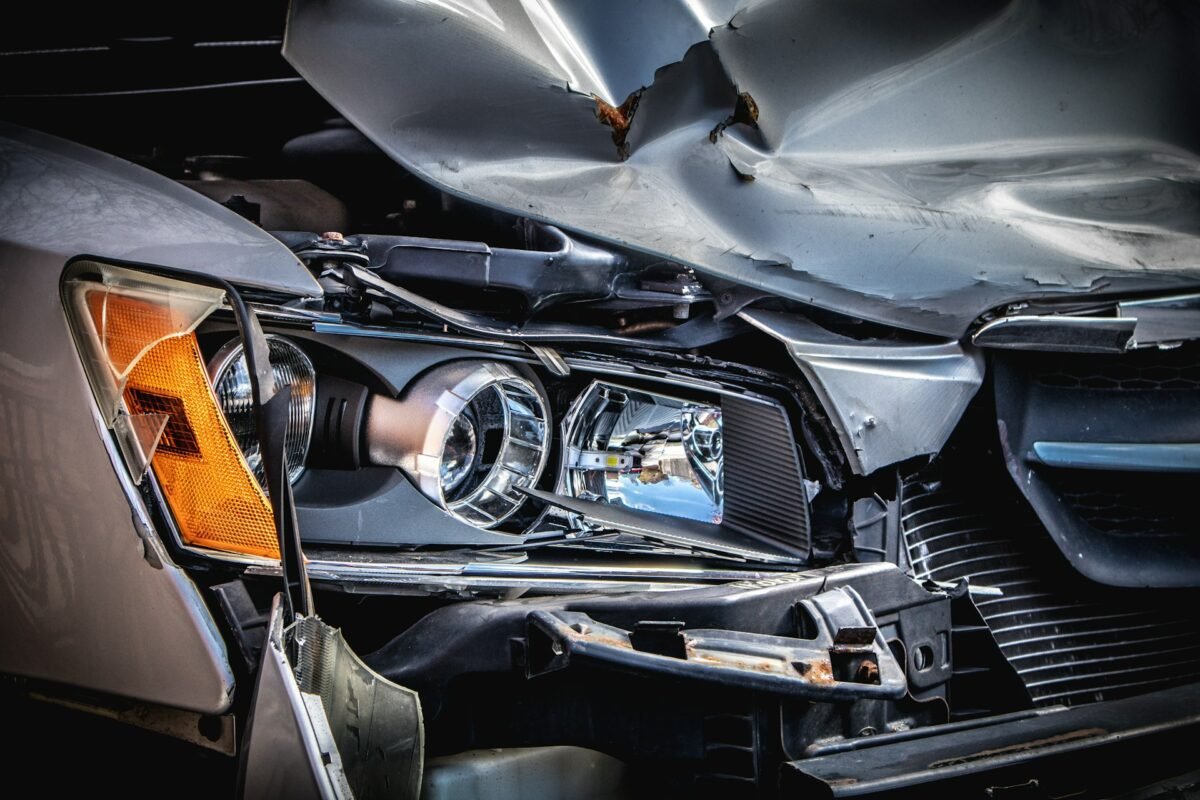

Yes, you may be able to keep your car after an insurance company declares it a total loss, but the process depends on your state’s laws and your insurance policy. Keeping a totaled vehicle usually means accepting a lower insurance settlement because the insurer will deduct the vehicle’s salvage value.
Before making a decision, it is important to understand how the total loss threshold affects your options and what happens to the vehicle’s title.
You Can Keep a Totaled Car in Some Situations
When an insurer declares a vehicle totaled, it generally means repairing the vehicle would cost too much compared with its value, or the vehicle meets the state’s legal definition of a total loss.
A total-loss determination does not necessarily mean you must surrender the vehicle. In some situations, an owner can choose to retain it and receive a reduced settlement.
The exact rules vary by state, so your options may depend on where the vehicle is registered and where the accident occurred.
Your Insurance Settlement Will Usually Be Reduced
If you decide to keep the totaled vehicle, the insurance company generally deducts the vehicle’s estimated salvage value from the settlement.
For example, suppose your insurer determines that your vehicle’s actual cash value is $15,000 and estimates its salvage value at $4,000. If you retain the vehicle, your settlement could be reduced by approximately that salvage amount, subject to the policy and applicable state rules.
This means you will receive less money than you would if you surrendered the vehicle to the insurer.
The Total Loss Threshold Can Affect the Decision
States use different approaches to determine when a vehicle is considered a total loss.
Some states use a specific percentage of the vehicle’s value. Others use a formula that compares repair costs with the vehicle’s value.
For example, if a state has a total-loss threshold of 75%, a vehicle worth $20,000 could potentially be considered a total loss when covered damage reaches $15,000.
However, the specific threshold and calculation method depend on state law. Your insurer may also have to follow additional requirements when making the determination.

Your Car May Receive a Salvage Title
Keeping a totaled vehicle can affect its title.
In many cases, a vehicle that has been declared a total loss and retained by its owner will receive a salvage or rebuilt designation. A salvage title can make it more difficult to insure or sell the vehicle later.
Before keeping the car, check with your state’s motor vehicle agency to understand the title requirements.
You May Need to Repair and Inspect the Vehicle
If you plan to continue driving the vehicle, simply keeping it is not enough.
A vehicle with substantial accident damage may need extensive repairs before it can legally return to the road. Depending on the state, a rebuilt or salvage vehicle may also need an inspection before it can be registered again.
Make sure you understand these requirements before spending money on repairs.
You Should Consider the Cost of Repairs
Keeping a totaled vehicle may make sense in certain situations, but the repair costs should be carefully considered.
You may need to pay for:
- Body repairs
- Replacement parts
- Mechanical repairs
- Safety-system repairs
- Inspections
- Registration and title fees
- Future maintenance
A vehicle that appears repairable may have hidden structural or mechanical damage that increases the final cost.
Your Car’s Safety Should Come First
The most important consideration is whether the vehicle can be restored safely.
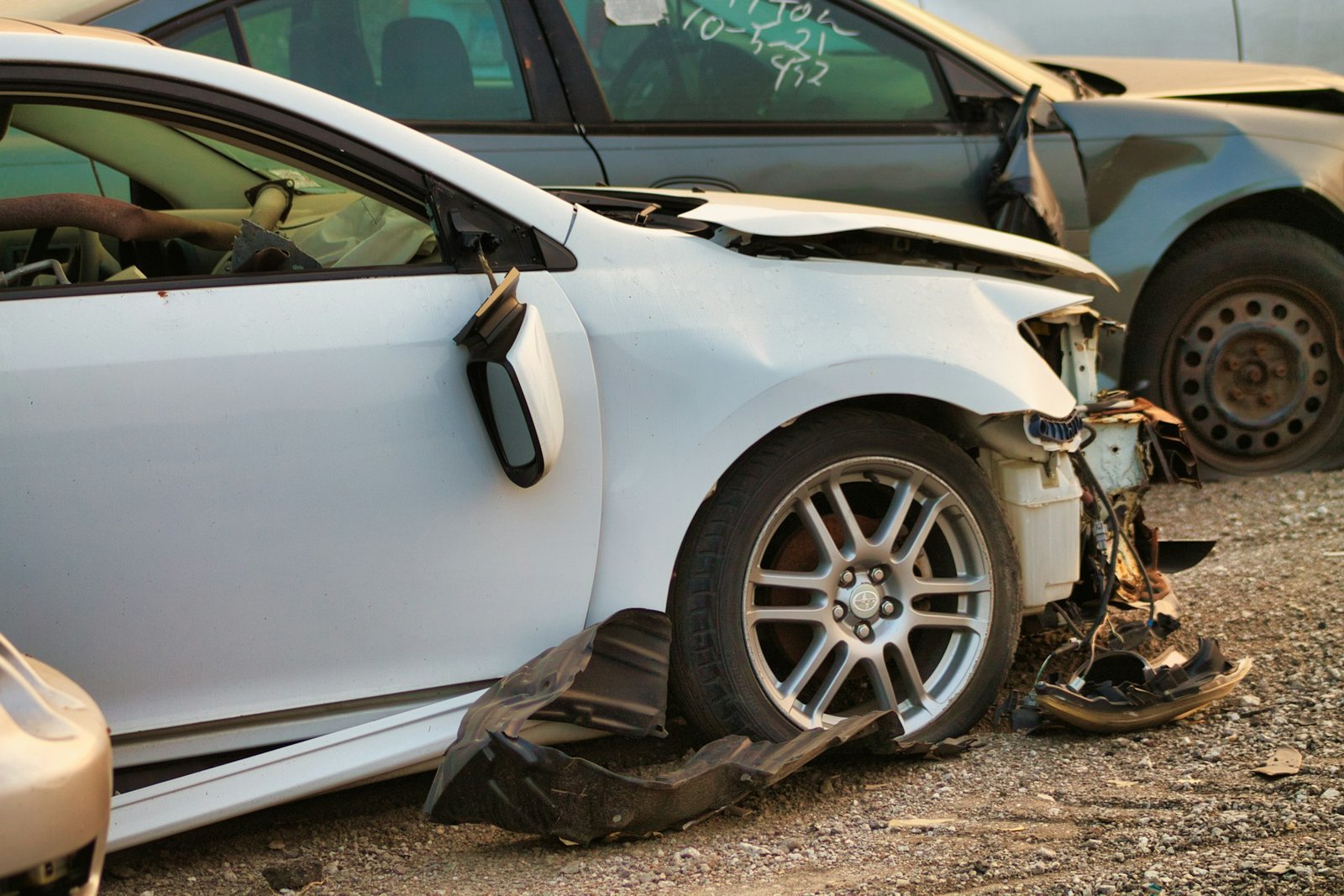
Modern cars may have airbags, sensors, cameras, electronic safety systems, and structural components that can be damaged in a crash. A vehicle that looks acceptable from the outside may still have serious internal damage.
Have the vehicle evaluated by a qualified repair professional before deciding to keep it.
A Loan Can Complicate the Process
If you still owe money on the vehicle, keeping it can be more complicated.
The insurance settlement may be paid to both you and your lender. If the settlement is not enough to cover the remaining loan balance, you could still owe money after the vehicle is declared totaled.
If you have a loan or lease, review the agreement and speak with the lender before making a decision.
Compare the Settlement Options
Before accepting a total-loss settlement, ask the insurer for a breakdown showing how the vehicle’s value was calculated and how much would be deducted if you retain the car.
Compare that amount with:
- Expected repair costs
- Salvage value
- Title and inspection expenses
- Insurance costs
- The vehicle’s condition before the crash
- Its current market value
This can help you determine whether keeping the car makes financial sense.
Key Takeaways
- You may be able to keep a vehicle after it is declared a total loss.
- Keeping the vehicle usually results in a lower insurance settlement.
- The insurer may deduct the vehicle’s estimated salvage value from your payment.
- State laws determine when a vehicle qualifies as a total loss.
- A retained totaled vehicle may receive a salvage or rebuilt title.
- Additional inspections and repairs may be required before the vehicle can return to the road.
- Hidden damage can make repairs more expensive than expected.
- A remaining auto loan can complicate the settlement and ownership process.
- Compare repair costs, the reduced settlement, title requirements, and safety concerns before deciding to keep the vehicle.