

Motorcycling has always been about freedom, rebellion, and the pure thrill of the open road.
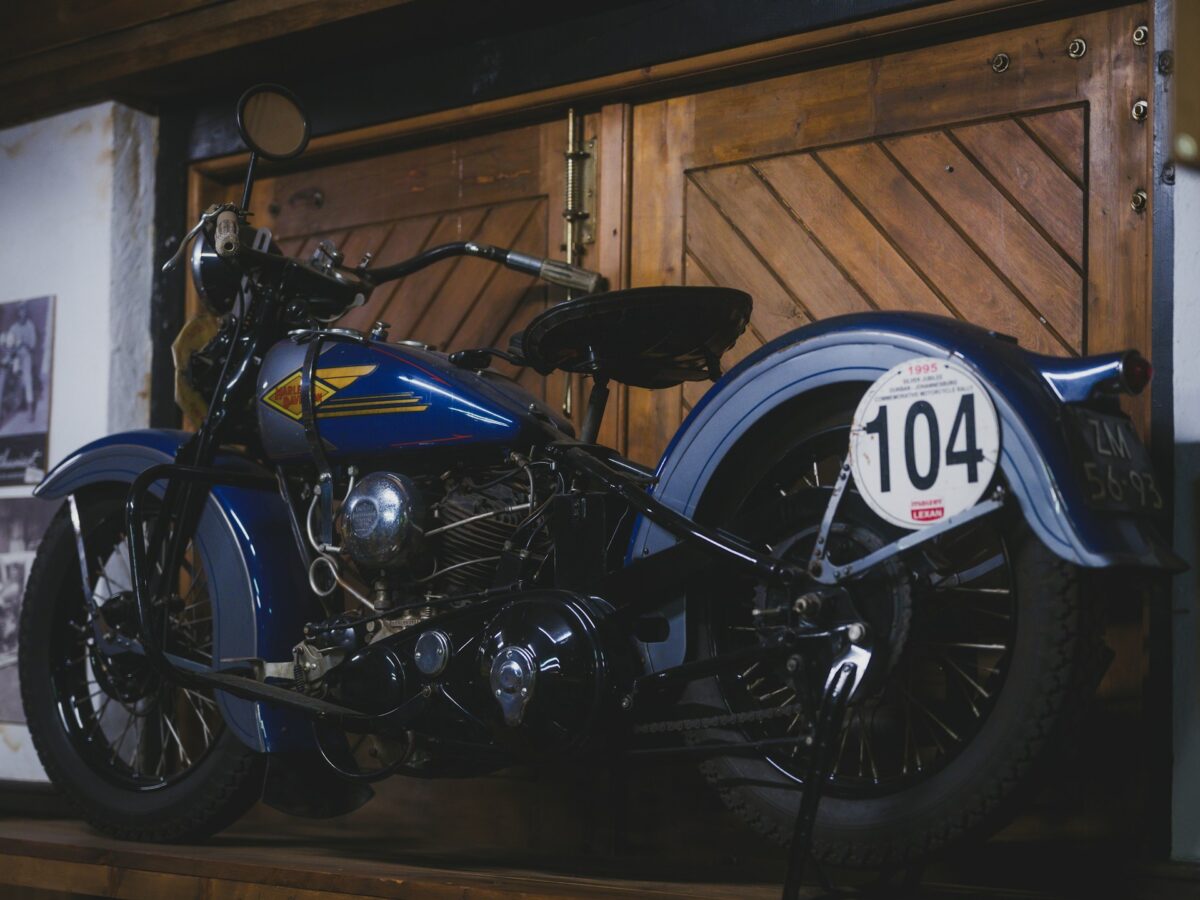
Major brands have masterfully packaged and sold that feeling to millions of riders over the decades.
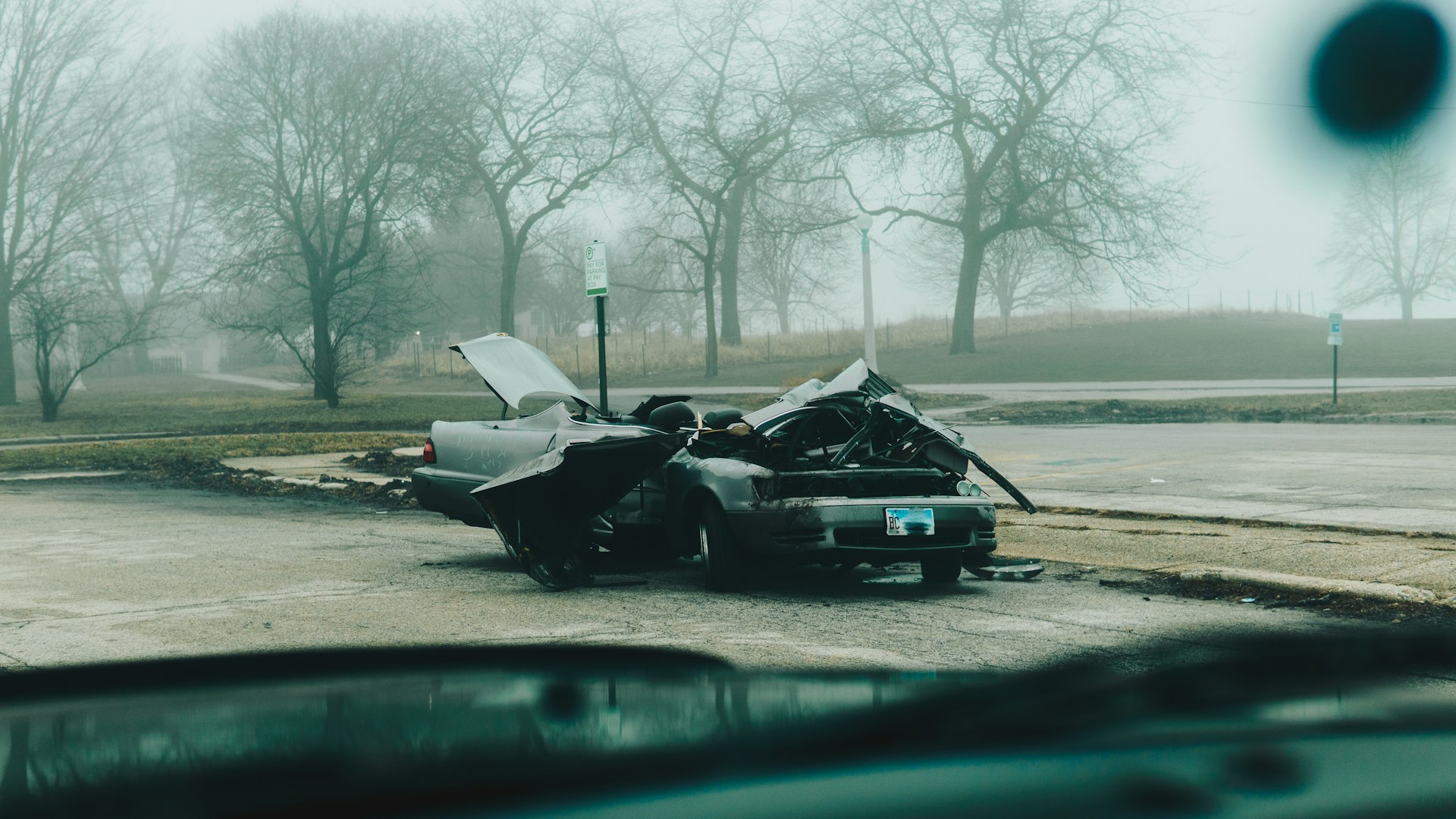
But as these machines get faster and more powerful, the risks naturally increase. When marketing focuses exclusively on the rush of speed and aggressive styling, riders (especially beginners) might easily overlook the life-saving reality of wearing proper protective equipment. Do manufacturers have a duty to push helmets and armor as hard as they sell bikes? Given the devastating reality of motorcycle wrecks, selling fast machines without promoting the gear to survive them is just irresponsible. Brands profit from the thrill, so they need to make rider safety a core priority instead of an afterthought.
The Romance of the Road Versus Hard Reality
Motorcycle commercials sell the fantasy of empty, winding roads, totally ignoring the reality of distracted drivers and daily traffic hazards. Because riders are so vulnerable, wearing proper protective gear has to be non-negotiable. Big brands could easily change riding culture just by showing fully geared riders in their ads. Normalizing safety wouldn’t kill the thrill of the ride—it would just keep people alive to enjoy it.
Making Armor Part of the Everyday Lifestyle
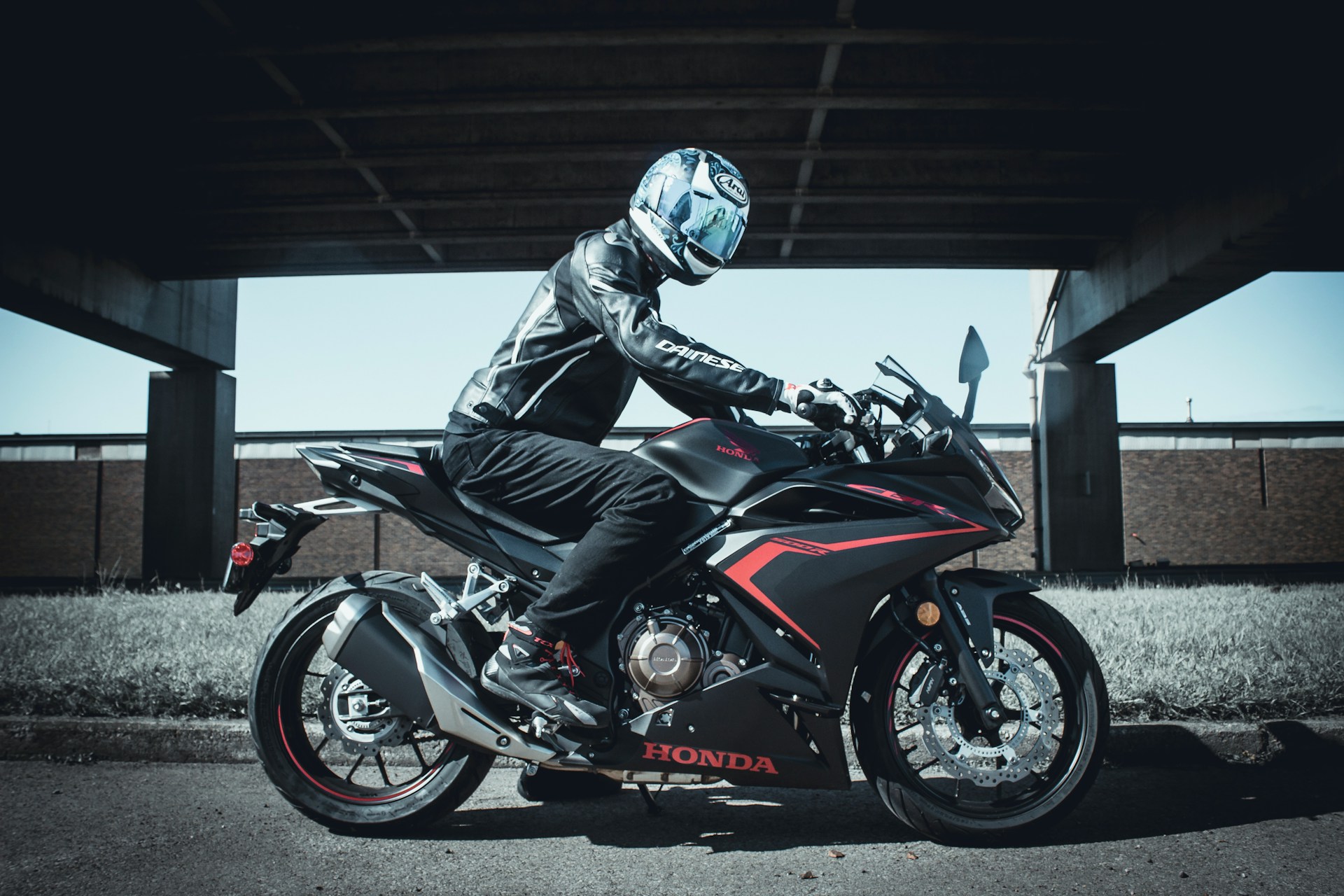
One of the biggest roadblocks in marketing safety gear is the old idea that heavy armor, full-face helmets, and reinforced riding pants somehow ruin the rugged aesthetic of riding. To fix this, brands need to change their approach by framing protective wear as a stylish, essential part of the riding lifestyle rather than a bulky compromise. Many top-tier gear companies already make jackets and riding jeans that look like normal streetwear but function like high-end armor. When motorcycle manufacturers highlight these modern advancements in their own flagship commercials, they bridge the gap between looking good and staying in one piece. If a reinforced leather jacket is presented as an essential, highly desirable extension of the bike itself, consumers will want it. At the end of the day, these companies have the creative budgets to make safety gear look just as cool as the exhaust pipes and engines they constantly show off.
Using Influence to Shift Riding Culture
Real cultural changes inside any hobby usually start from the top, which means the companies building the bikes are in the best position to decide what looks cool and acceptable. If a major brand only sponsors racers, social media influencers, and ambassadors who refuse to ride without full gear, the rest of the community will naturally follow their lead. When the most respected figures in the industry show that real skill involves managing risks, newer riders are way less likely to jump on the highway wearing just a T-shirt and jeans. Extensive research published by leading highway safety organizations proves time and again that helmets and proper gear dramatically cut down the severity of injuries during a crash. When safety becomes part of a brand’s identity, it stops sounding like a lecture and starts looking like true rider street cred. Companies that genuinely push for protection build real loyalty because people know they care about getting them home safe.
Conclusion
Selling a motorcycle will always be about selling an escape, but that escape comes with very real, sometimes fatal risks that the industry simply can’t ignore. While every rider ultimately makes their own choice before turning the key, manufacturers clearly have the money, platform, and influence to make riding gear an unquestioned standard. Dealing with the fallout of motorcycle wrecks means brands have to step up and care about more than just sales. A solid company won’t just hand over a set of keys and wash its hands of you; it should push gear just as hard as horsepower. By hyping up safety right alongside the bikes, these companies look out for the riders who keep them afloat—proving that real freedom on the road starts with being ready for anything.