

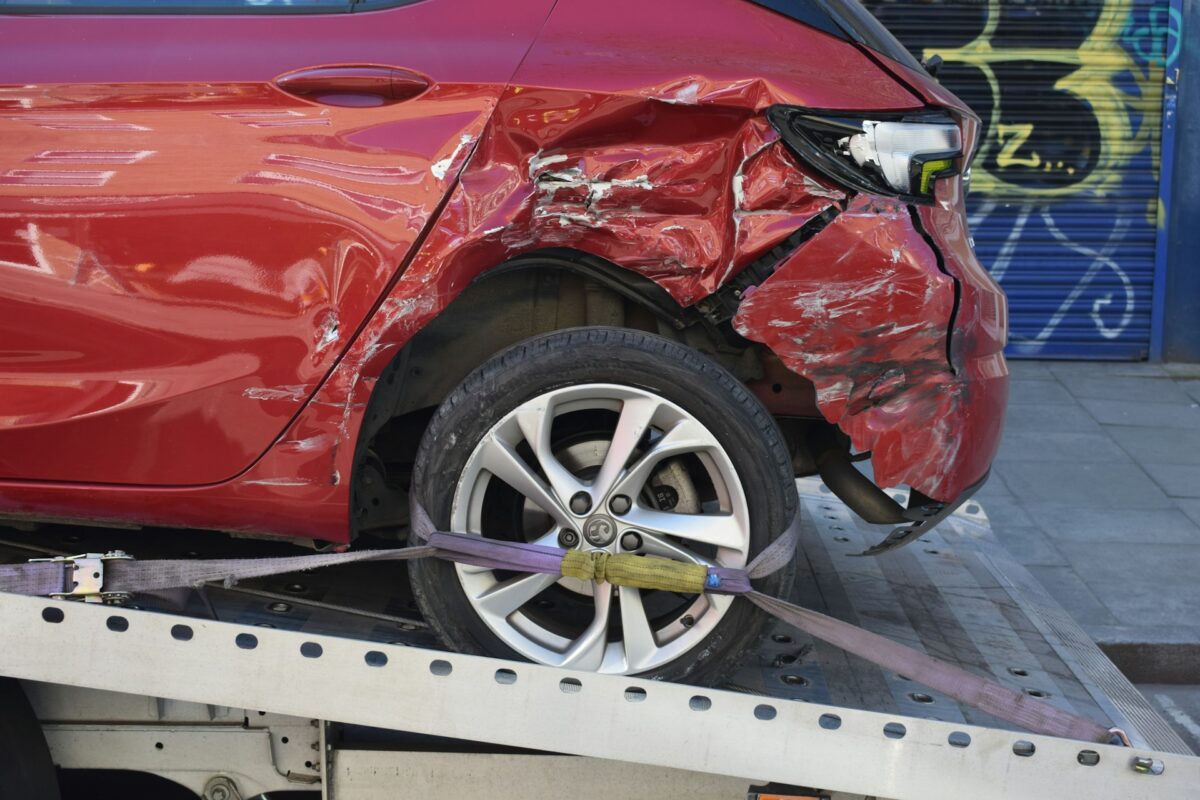

After being hit by a speeding driver, call 911, get medical care the same day, and preserve proof of how fast the other vehicle was moving.
Each action below protects either your health or your claim.

The order matters because evidence disappears quickly. Skid marks fade, vehicle computers overwrite data, and security systems record over old video within days.
Insurers investigate speeding accidents closely and often argue that the injuries came from something else. Clear records from the first day are what answer that argument.
Call 911 and Request a Police Report
Police response creates the first neutral record of what happened.
Officers note road conditions, driver statements, and any citation issued for speed. Ask for the report number before you leave the scene, since that number tracks the file later.
If the other driver receives a speeding ticket, write down the citation number. A conviction on that ticket can support your version of the crash.
Photograph the Scene Before the Vehicles Move
Scene photos cannot be recreated once traffic clears and the cars are towed.
Useful shots include:
- The other vehicle’s plate number and any company markings
- Speed limit signs, traffic signals, and lane markings
- Skid marks photographed next to a landmark for scale
- Interior damage, including deployed airbags
- Your visible injuries on the day of the crash
Wide shots matter as much as close-ups because they show the layout of the road.
Collect Witness Names and Phone Numbers
Witnesses are the fastest evidence to lose, because people leave as soon as traffic starts moving.
Ask for a name, a phone number, and one sentence about what the person saw, then text those details to yourself so the record carries a timestamp. Drivers stopped behind the crash often noticed the speed before impact and rarely appeared in the police report.
Get Medical Care the Same Day
A same-day exam ties the injury to the crash and removes an easy argument for the insurer.
Adrenaline can mask concussion, neck, and back injuries for a day or longer. Tell the provider that a speeding vehicle struck you, so the cause appears in your chart. Follow the treatment plan that follows, since gaps in care are read as recovery.
Preserve the Records That Prove Speed
Speed is established by data, not by your description alone.
Send a written request that the other vehicle stay unrepaired, because its event data recorder stores speed, braking, and throttle input in the seconds before impact. Ask nearby homes and businesses for video before their systems overwrite it, which often happens within one or two weeks.
Commercial vehicles carry an extra layer. Under 49 C.F.R. § 395.8, duty status records must be retained for six months, and under 49 C.F.R. § 392.6, a carrier may not schedule a trip that requires exceeding posted limits.
Report the Crash to Your Own Insurer
Most policies require prompt notice even when the other driver was clearly at fault.
Give the basic facts, meaning the date, location, and vehicles involved. Avoid predicting your recovery time or accepting a recorded statement before a doctor has finished evaluating you.
Your own coverage may also matter here. Uninsured and underinsured motorist benefits apply when a speeding driver carries too little insurance to cover the harm.
Know the Filing Deadline
Every state sets its own deadline for filing suit, usually counted in years from the crash date.
Claims involving a government vehicle run on a shorter clock, and some require written notice within 60 days.
Key Takeaways
- A police report creates the earliest neutral record of the crash.
- Scene photos and witness details are the first evidence lost.
- Same-day treatment connects the injury to the collision.
- Event data recorders hold the strongest proof of speed.
- Truck crashes involve federal records kept for six months
- Prompt notice to your own insurer protects your coverage.
- Filing deadlines vary by state and start on the crash date